 |
Spinach is a plant-based food rich in vitamin E. This vegetable also contains lutein and zeaxanthin, two pigments highly concentrated in the retina. These pigments filter blue light and protect eyes from UV damage. You can boil, quickly stir-fry, or make soup with spinach. To enhance vitamin E absorption, prepare it with a small amount of olive oil or soybean oil.
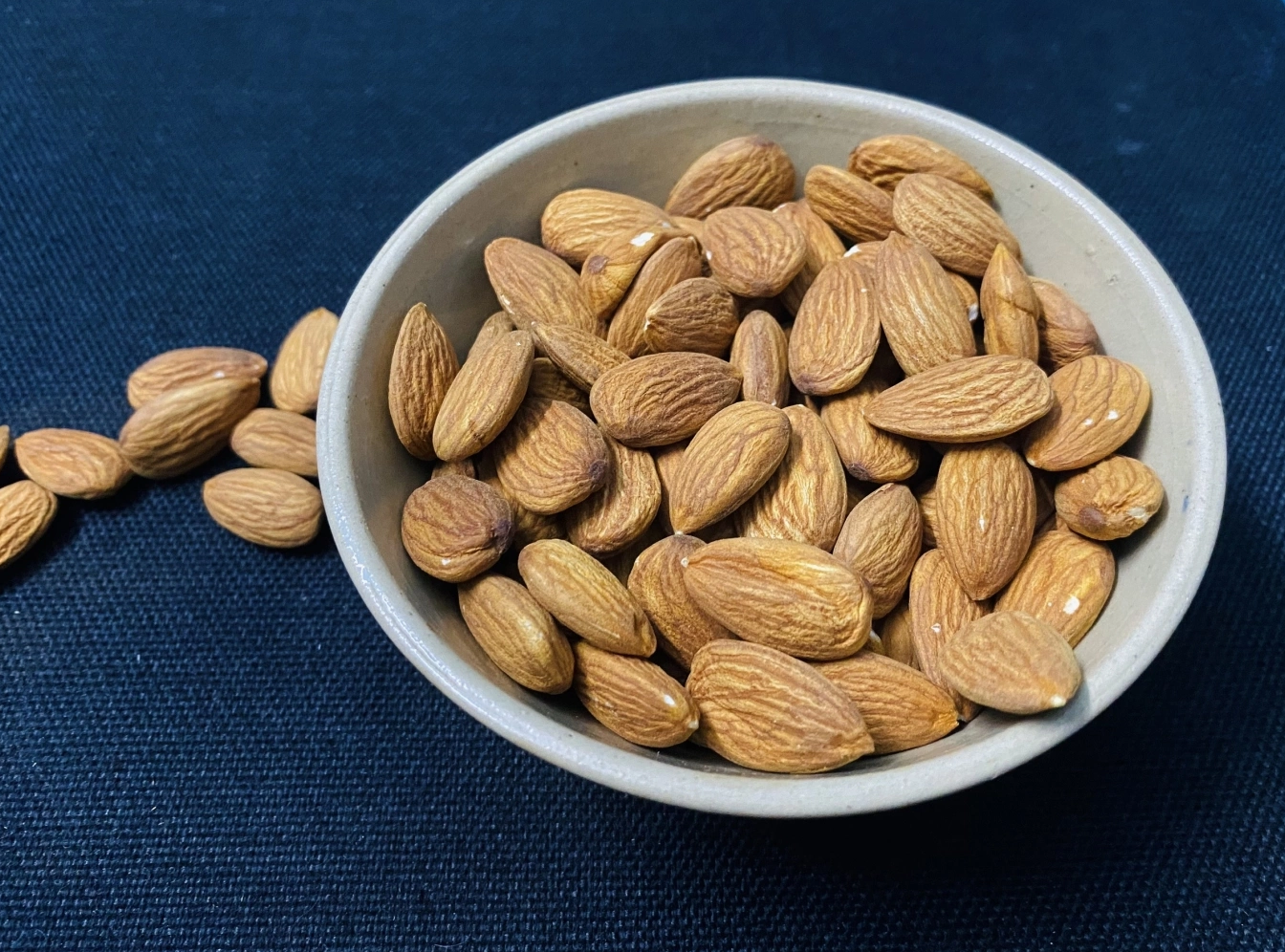 |
Almonds primarily provide vitamin E in the form of alpha-tocopherol, which protects retinal cells from free radical damage. They are also rich in unsaturated fats and protein, making them suitable as a snack or an addition to yogurt and oatmeal.
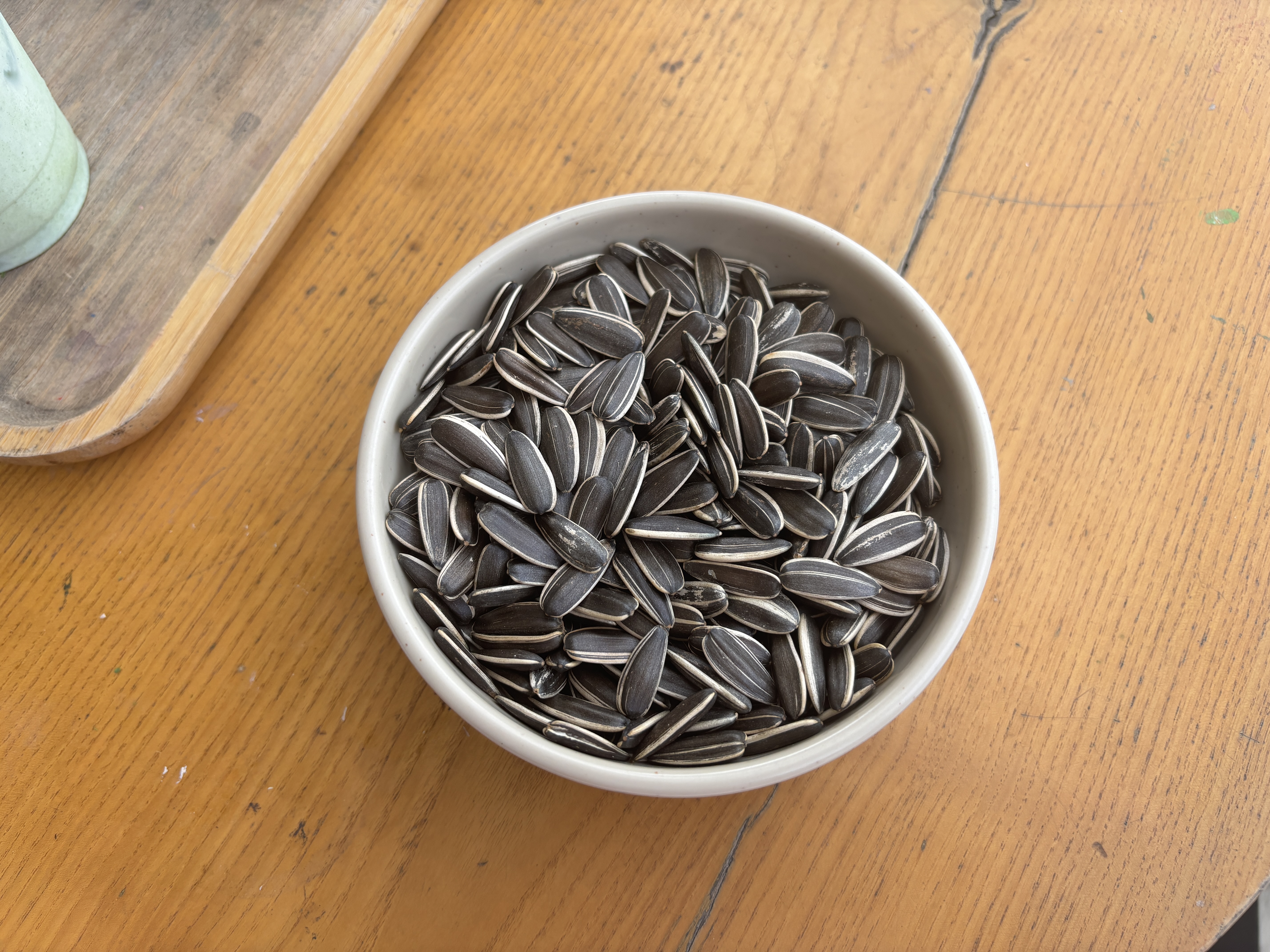 |
Sunflower seeds contain about 7 mg of vitamin E per 30 g serving. Beyond their antioxidant effects, nutrients in sunflower seeds support blood circulation, helping to deliver oxygen and nutrients more effectively to retinal cells. Consume moderately roasted seeds instead of over-roasted ones to minimize nutrient loss.
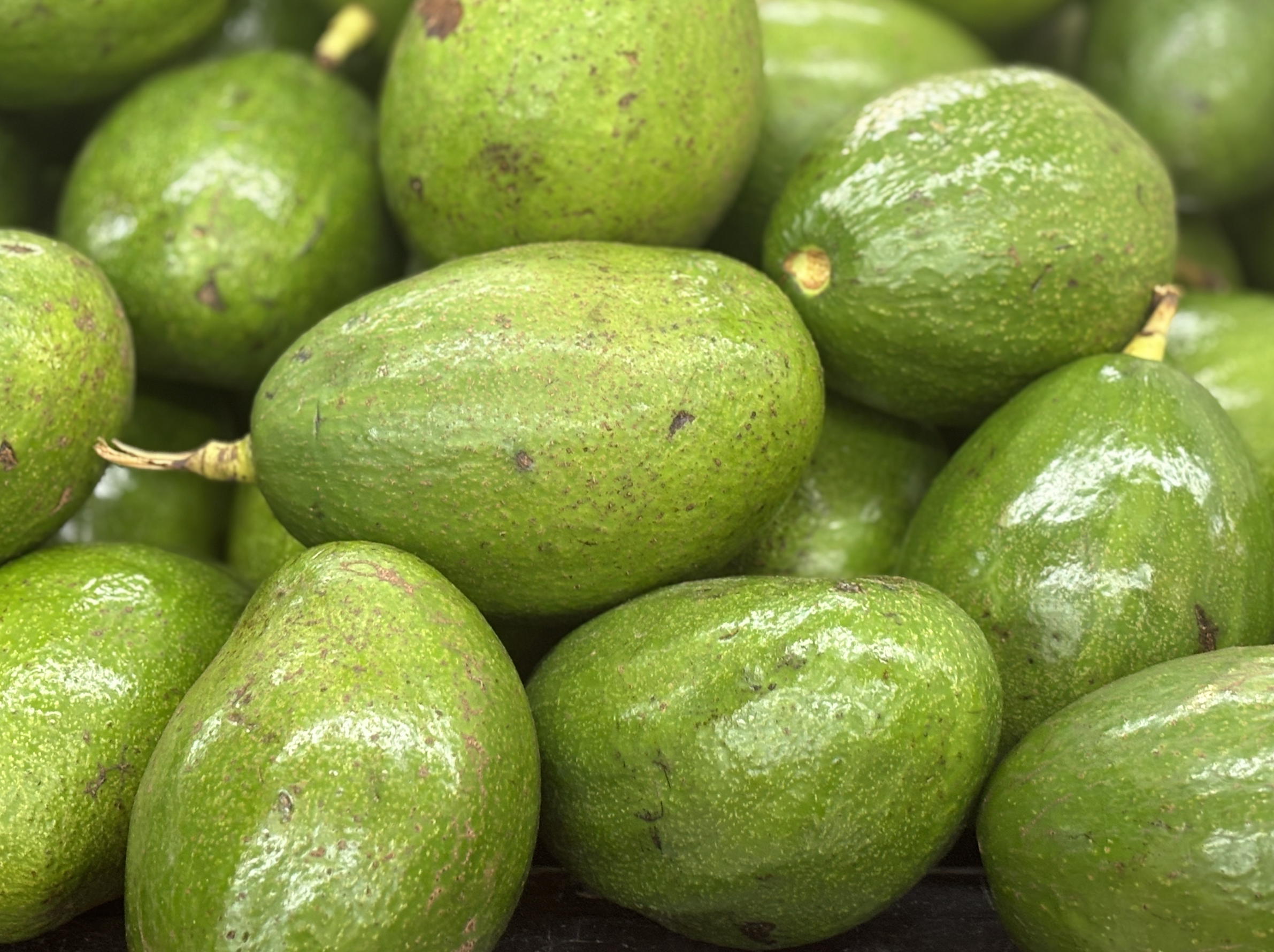 |
Avocados contain both vitamin E and monounsaturated fats. The healthy fats in avocados help the body better absorb carotenoids like lutein and beta-carotene, which are vital nutrients for vision. You can eat avocados directly, make salads, or prepare low-sugar smoothies to boost their nutritional value.
 |
Extra virgin olive oil contains vitamin E and many antioxidant compounds, helping to reduce oxidative stress in eye tissues. This oil is suitable for salad dressings, drizzling over boiled vegetables, or light pan-frying. Avoid frying at excessively high temperatures to preserve its antioxidants.
By Bao Bao (Compiled)
Photos: Bao Bao, AI, Mai Cat.