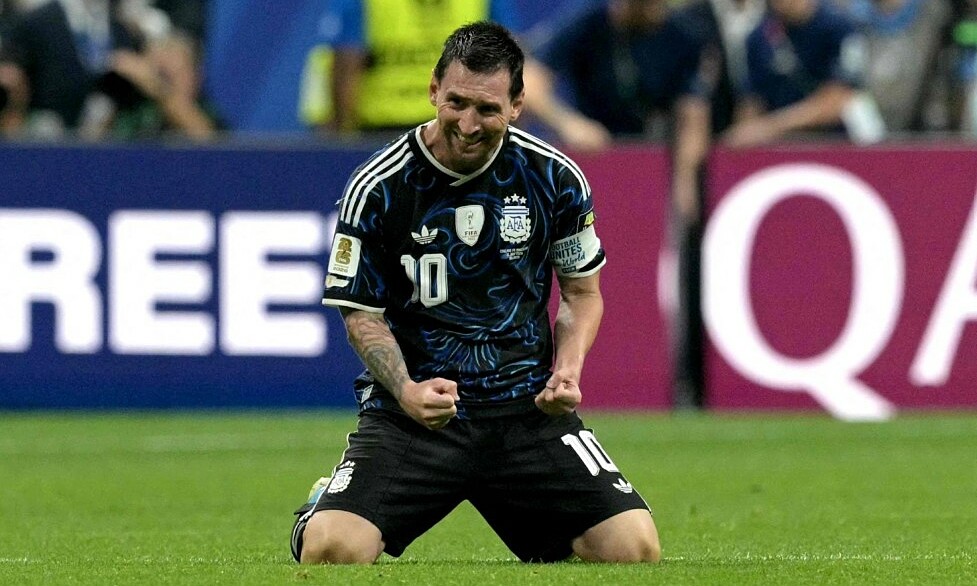
The world's biggest football festival, drawing to a close, created a powerful ripple effect, transforming the daily routines of millions. The tournament's appeal quickly placed sports at the heart of conversations. Children spent hours in parks emulating their idols, while adults eagerly laced up their shoes to play with friends.
Major tournaments possess a unique ability to inspire. Beyond the significance of goals, they motivate communities toward more active lifestyles. This positive momentum, however, has not yet influenced fans' eating habits, as the commercial environment surrounding these events remains dominated by fast food and nutritionally deficient products.
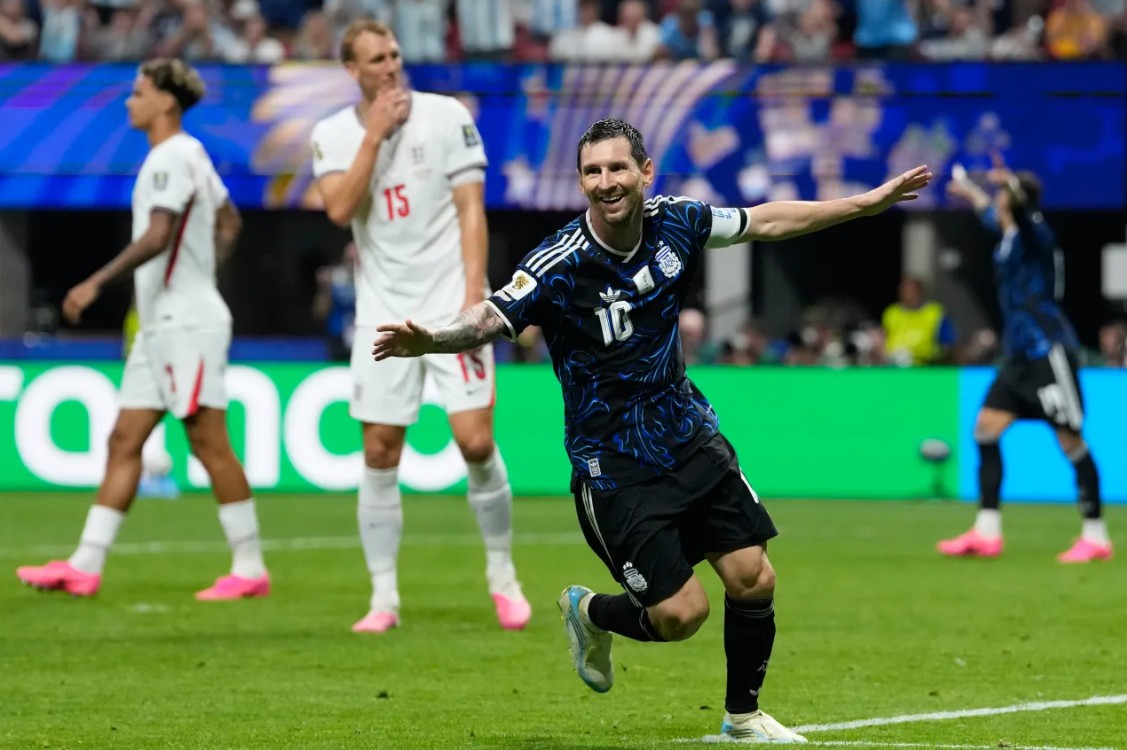 |
Superstar Lionel Messi celebrates after Enzo Fernandez scored his team's first goal in the World Cup 2026 semifinal match between England and Argentina in Atlanta, USA. *Photo: AP/Rebecca Blackwell*
Sports, therefore, represent a significant yet underexploited opportunity to promote healthy eating habits, particularly among children and teenagers. Elite athletes inspire training and serve as role models, shaping youth behavior and lifestyles. A study in the scientific journal Nutrients affirms that athletes and celebrities in nutrition campaigns significantly influence children's eating preferences. This influence creates an opportunity to normalize healthy habits when media messages connect with sports, physical activity, and balanced diets.
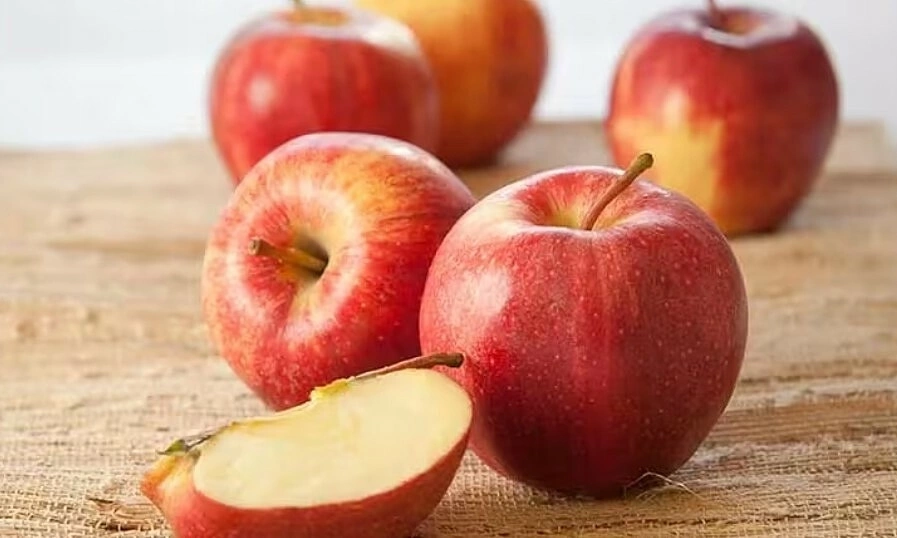
Within this nutritional context, fruit holds particular importance. The World Health Organization (WHO) recommends that each person consume at least 5 servings of fruits and vegetables daily. Incorporating fruit into daily meals is a simple change that yields substantial health benefits. When this message originates from sports stars admired by millions, it provides leverage, helping communities easily adopt good habits.
Furthermore, elite athletes strengthen the connection between the public and the values they embody. Similar to how a national team inspires pride or a player celebrates their homeland's heritage, their example draws consumers closer to local produce and traditional production methods.
The partnership between renowned footballer Pedri and the Canary Islands banana brand exemplifies this. More than a sponsorship deal, this collaboration links a world-class player—whose life story is deeply connected to banana cultivation in the Canary Islands—with fresh produce representing European fruit production and an inseparable part of the islands' identity.
This natural alignment sets the stage for practical initiatives, notably the "Battle Against Insanus" campaign, co-funded by the European Union. In this campaign, Pedri urges everyone to exercise actively and eat healthily to combat "Insanus", a fictional character symbolizing sedentary lifestyles and harmful habits.
Thus, Canary Islands bananas serve as a prime example of how a European fruit can harmoniously integrate nutrition, territorial identity, quality, and sustainable production models into a single message, aligning with the values promoted by the European Union.
While the biggest summer football tournament has concluded, its influence can extend far beyond. Regardless of who lifted the golden trophy, the event's true success is also measured by its capacity to inspire healthy lifestyles, where physical activity complements a balanced diet.
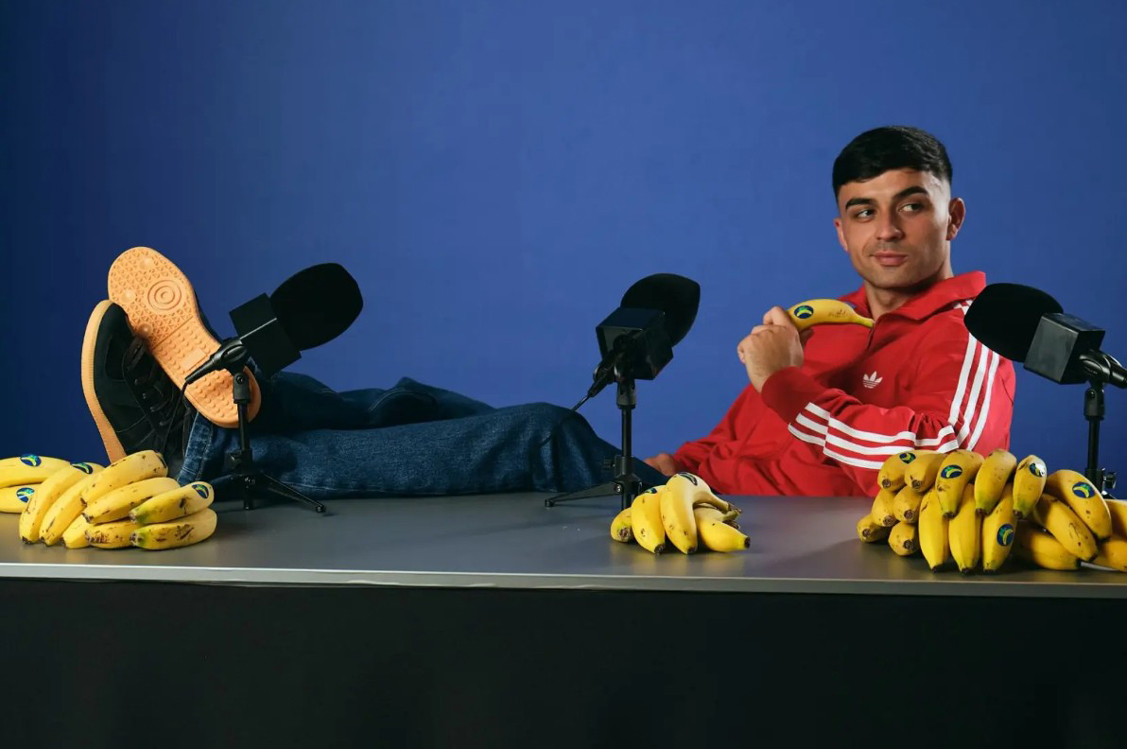 |
Renowned footballer Pedri promotes bananas. *Photo: UE Studio*
According to Marca, the habits that truly transform the "game of life" are not confined to 90 minutes on the field. They begin with simple daily actions: a child asking parents to enroll them in football, a family enjoying a friendly match, or someone choosing to add fruit to a snack. At that point, sports' impact extends far beyond the scoreboard.
If the tournament inspires more children to play football, encourages more families to exercise together, and if this positive wave reaches kitchens through an increased presence of fresh fruit, then the World Cup 2026 will have left a legacy more valuable than any statistic. This is because healthy habits are a core component of the game.
Binh Minh (According to Marca)