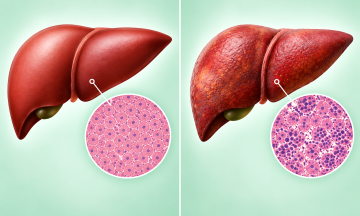
Associate Professor, Doctor Nguyen Trong Hung of the National Institute of Nutrition states that meat, fish, and seafood are important dietary components, providing high-quality protein and other nutrients. Protein is crucial for body growth, muscle building, and maintaining cell structure. It is also a key component of hair, nails, bones, cartilage, skin, and blood, producing enzymes and helping prevent infections, among other functions. Therefore, a daily diet requires a certain amount of protein to maintain health.
However, Doctor Hung notes that people are currently tending to consume too much meat, fish, and seafood, risking protein overconsumption. Exceeding the recommended intake, regardless of the protein type, is detrimental to the body, especially animal protein found in meats like pork, beef, chicken, duck, fish, eggs, seafood, shrimp, and crab. Plant protein sources include legumes such as soybeans, mung beans, black beans, soy products like bean sprouts and tofu; oats, seeds like sunflower and sesame seeds, and dark green vegetables.
A diet rich in animal protein, particularly red meat and fatty dairy products, can increase the risk of heart disease due to higher saturated fat intake. Additionally, high protein consumption without sufficient fiber can lead to digestive issues and elevate the risk of kidney disease, especially if there are signs of kidney failure.
Doctor Nguyen Trong Thuy, former head physician for Vietnam's National and U23 football teams, explains that when the body digests too much protein, metabolism produces substances like urea and uric acid. The kidneys must filter and excrete these substances through urine. When protein intake is excessively high over an extended period, the kidneys must intensify their filtering capacity to meet the demand for waste excretion. This phenomenon is known as glomerular hyperfiltration.
For individuals with impaired kidney function, processing and excreting these substances becomes more difficult, potentially increasing the risk of kidney stone formation in some cases. In healthy individuals, this change may not have an immediate impact, but if prolonged over many years, the continuous pressure on the glomeruli can contribute to a faster decline in kidney function, especially in those with chronic kidney disease, hypertension, or diabetes. Elevated uric acid levels can also increase the risk of gout, as uric acid crystallizes and deposits in the joints.
Many red and processed meats also contain high levels of saturated fat, sodium, and phosphate. Regular consumption of these components can raise blood pressure and further burden the kidneys. Moreover, a meat-heavy diet often lacks fiber if not accompanied by sufficient vegetables, tubers, and fruits, hindering digestive function. Therefore, instead of consuming excessive meat or protein, it is essential to maintain a balanced diet of protein, fats, carbohydrates, vegetables, and fiber sources.
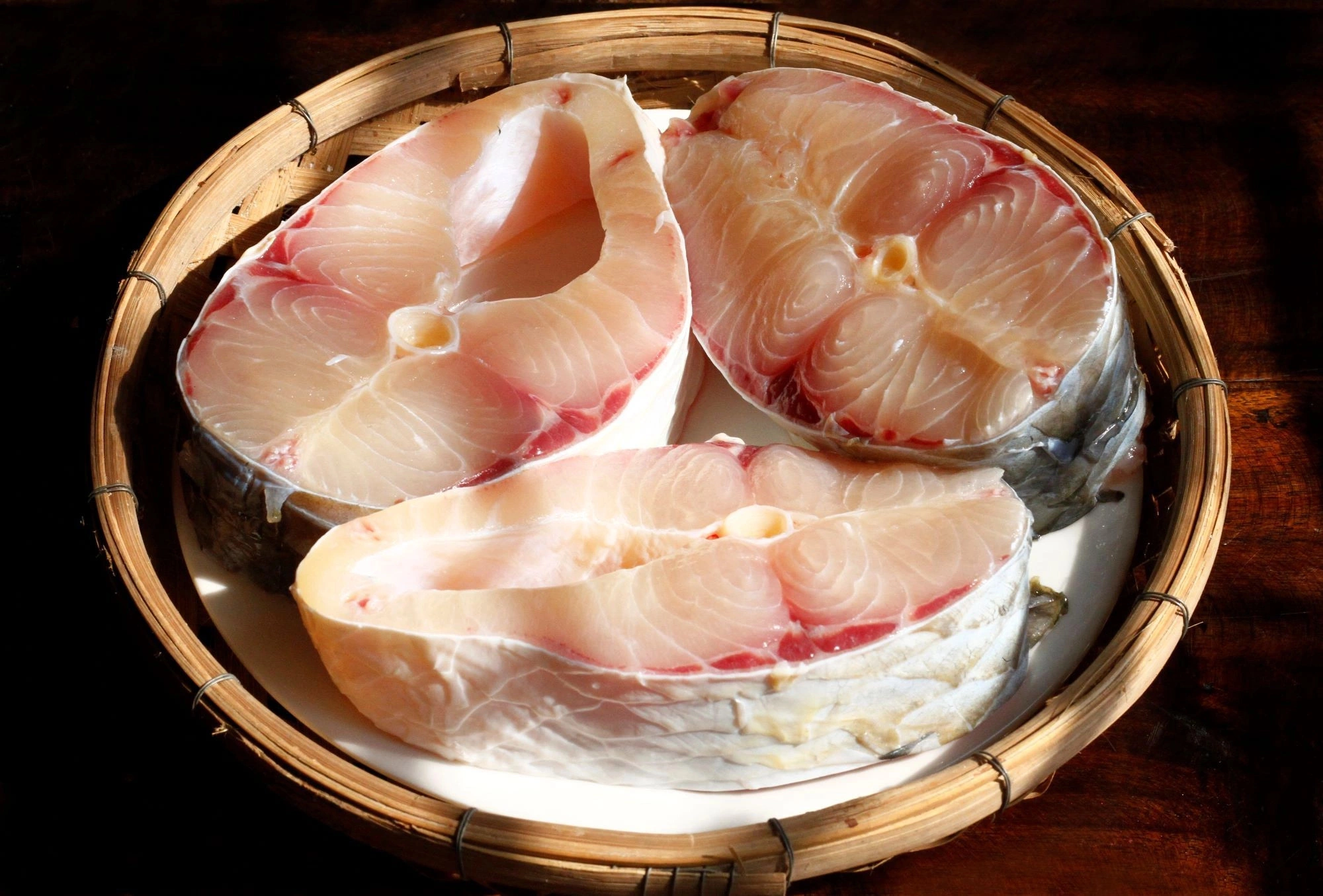 |
Illustration: Bui Thuy |
According to Doctor Hung, the amount of meat to include in each meal varies per person, depending on age, gender, physiological state (e.g., pregnancy, lactation), existing medical conditions, or activity level. For individuals weighing 50-70 kg with moderate activity, 100 g of meat or fish is recommended for lunch or dinner. Those engaged in high-intensity exercise may increase meat consumption to optimize muscle building. However, it is advised not to consume more than 300-500 g of red meat per week, ideally limiting red meat to about two times weekly. Supplementing with fish and plant-based protein sources like tofu is recommended for dietary diversity.
Individuals should balance the three macronutrients: carbohydrates, protein, and fats. A person needs to consume 1,1 to 1,3 g of protein per kg of body weight daily, with animal protein accounting for only 50% of the total protein requirement.
Overall, homemakers should regularly rotate foods within the same group to diversify micronutrients. For example, meals should alternate between leafy green vegetables, tubers, fruits, and mushrooms; protein sources should be flexibly distributed among lean meat, fish, shrimp, legumes, and nuts. This habit of continuously varying meals both stimulates taste buds and prevents nutritional imbalances.
Along with dietary diversity, the body requires adequate hydration throughout the day. Instead of waiting until thirsty to drink, individuals should distribute their water intake evenly based on their physical condition and activity level.
Thuy Quynh