Seasonal transitions often bring cold mornings, hot afternoons, fluctuating humidity, or erratic rain and sun. These weather shifts can irritate sensitive airways, causing spasms and increased mucus production, which leads to coughing, wheezing, chest tightness, and shortness of breath.
Dr. Tran Duy Hung, from the Department of Respiratory Medicine at Tam Anh General Hospital Hanoi, offers guidance on preventing asthma attacks during these seasonal changes.
Maintain asthma control medication
Many patients only use medication during an asthma attack or stop when symptoms improve. Dr. Hung notes this is a primary reason asthma can become uncontrolled, especially with changing weather or if patients contract respiratory infections.
Patients must use medication at the correct dosage, time, and technique as instructed by their doctor, even if coughing, wheezing, or shortness of breath has subsided. Control medications reduce airway inflammation, thereby limiting the risk of acute asthma attacks.
Patients should not reduce doses, stop, or change medication without a medical consultation. They also need to carry reliever medication and use it as instructed by their doctor. If reliever medication is needed more frequently, becomes less effective, or symptoms quickly recur, patients should seek medical attention.
Limit triggers
Tobacco smoke, cooking fumes, dust, chemicals, perfumes, mold, pollen, and pet dander can irritate the airways in some individuals. Patients should identify common asthma triggers to actively avoid exposure.
Homes should be well-ventilated, regularly cleaned, and damp or moldy areas addressed promptly. Blankets, pillows, curtains, carpets, and stuffed animals should be cleaned periodically to reduce dust and allergen buildup.
When outdoors, patients should wear an appropriate face mask, especially in polluted or dusty environments. Smokers need to quit this habit and avoid being near others who smoke to limit passive smoke inhalation.
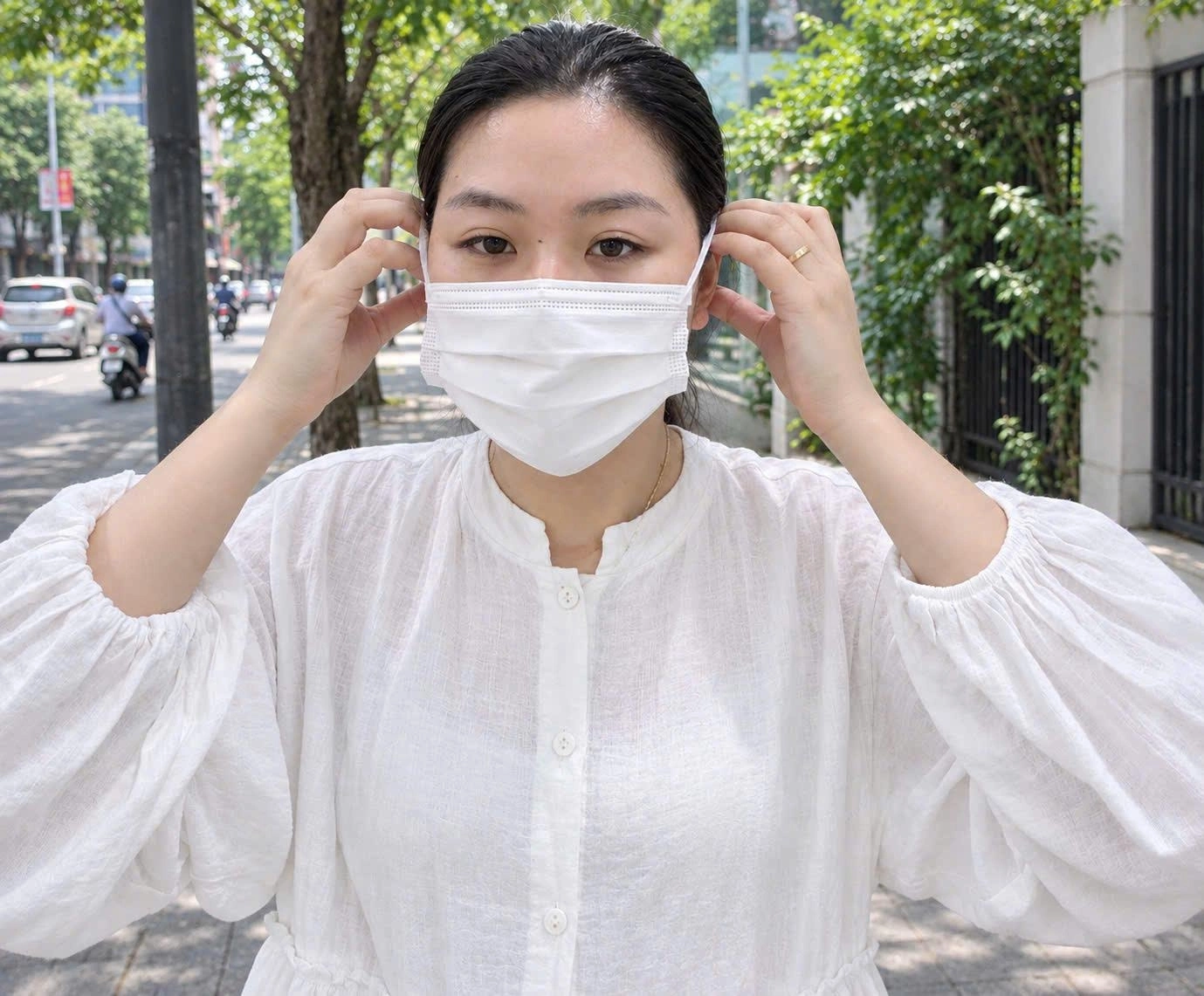 |
Wearing a face mask helps avoid exposure to asthma triggers. *Van Anh* |
Stay warm, avoid sudden temperature changes
Cold air can constrict airways in some asthma patients. When going out early in the morning or at night, patients should keep warm, especially their nose, mouth, and chest. A scarf can cover the nose and mouth in cold weather to warm the air before inhalation.
In air-conditioned rooms, cold air currents should not blow directly onto the face or chest. Patients should avoid sudden transitions from hot to cold environments.
If coughing, wheezing, or shortness of breath occurs during exercise, patients need to warm up thoroughly, adjust exercise intensity, and discuss appropriate preventive measures with their doctor. When the condition is well-controlled, patients can still maintain suitable physical activity.
Drink enough water, limit alcohol
Patients should drink enough water throughout the day unless advised by their doctor to restrict fluids. However, drinking plenty of water does not replace asthma control medication and does not alleviate acute attacks.
Alcohol can worsen symptoms in some individuals or make them more susceptible to other triggers. Those who have experienced coughing, wheezing, or chest tightness after drinking alcohol should limit or avoid its consumption.
Patients need to maintain a regular lifestyle, get enough sleep, eat appropriately, and seek early treatment for respiratory infections. Discuss necessary vaccines with a doctor, especially if frequently experiencing respiratory illnesses or having underlying conditions.
Recognize early signs of worsening condition
Increased coughing at night or near dawn, wheezing, chest tightness, shortness of breath during exertion, and needing reliever medication more often than usual can indicate poorly controlled asthma. Patients should seek medical attention if symptoms persist, recur, or affect sleep, work, and daily activities.
Dr. Hung advises that asthma patients exhibiting rapidly worsening shortness of breath, severe wheezing, chest pain, labored breathing, speaking in short phrases due to breathlessness, bluish lips, confusion, or no improvement after using reliever medication as instructed, should immediately go to a medical facility.
Van Anh
| Readers can submit questions about respiratory illnesses here for doctors to answer. |