Improving sleep quality involves various approaches like dietary adjustments and managing medical conditions. However, emotional management and stress reduction are equally important. Relaxing the body promotes melatonin production, regulating the biological clock, while reducing cortisol, the stress hormone, which supports deep sleep. When stress decreases, the mind rests, eliminating anxious thoughts and making it easier to fall asleep.
The following tips can help those with insomnia relax their minds and achieve better sleep.
Light therapy is sometimes used in sleep treatment protocols. Exposure to light helps the body recognize when to sleep and when to wake. Adjusting to soft, warm lighting in the bedroom creates a tranquil, gentle atmosphere, making it easier to fall asleep.
Aromatherapy improves sleep quality, and aromatherapy massage is as effective as breathing exercises. Scents from essential oils or scented candles can calm the nerves, reduce stress, and promote relaxation. Individuals with insomnia can massage their head, neck, shoulders, or soles of their feet with essential oils for about 10-15 minutes in the evening to relax muscles and aid in sound sleep.
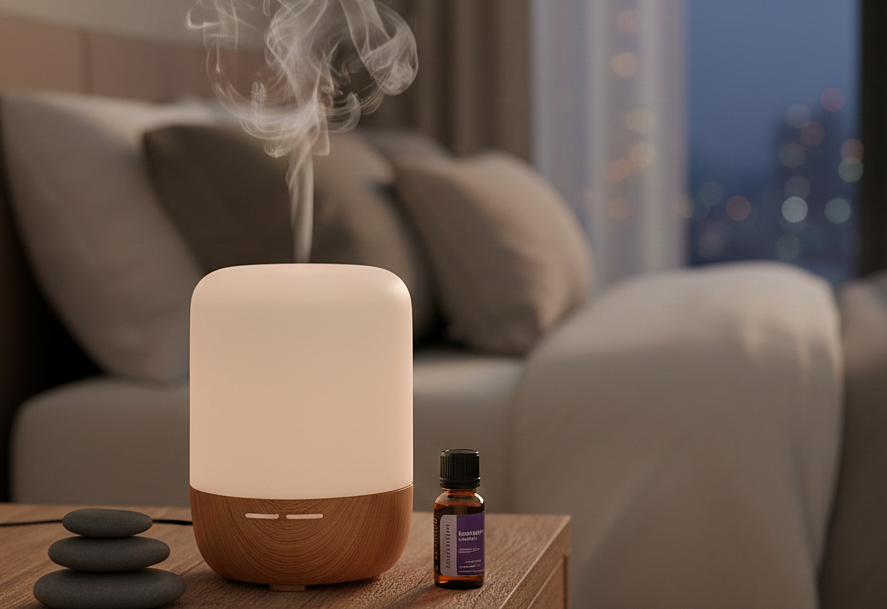 |
Diffusing essential oils in the bedroom can help improve sleep quality. *AI-generated image*. |
Meditation can slow breathing, reduce stress hormone levels, relax the body, and calm the mind. Before sleep, choose a quiet spot on the floor or bed, sit cross-legged, and relax your body in a meditative posture to enhance sleep.
Yoga, combined with deep breathing, can reduce joint stiffness, improve circulation, and regulate breathing. This alleviates insomnia symptoms and provides mindfulness-based stress management, offering positive benefits for sleep.
Hypnosis is a state where an individual is more focused, aware, and open to suggestions that promote relaxation. This natural therapy helps lower heart rate and blood pressure, regulating the mind.
Soft music reduces nighttime awakenings and improves sleep quality. Regularly listening to gentle music or white noise before bed helps the brain establish its biological clock, aiding faster sleep.
Evening walks can provide relaxation after a stressful workday and boost cardiovascular health. During a walk, the body works to transport oxygen and nutrients to organs, improving blood circulation.
A gentle walk after a meal also promotes the body's production of endorphins, hormones that improve mood and create a sense of happiness. This helps calm the nervous system, reduces anxiety and stress, while also lowering body temperature, relaxing muscles, and increasing melatonin production, making it easier to fall into a deeper sleep.
By Anh Chi (Source: Very Well Health)
| Readers can send questions about neurological conditions here for doctors to answer. |