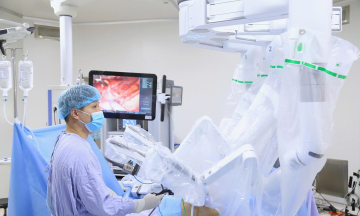
The Ho Chi Minh City People's Committee (HCMC People's Committee) outlined this proposal in a document sent to three central agencies on 16/7. The aim is to ensure health insurance (BHYT) benefits for the elderly, individuals with disabilities, those with mental illnesses, and other social protection beneficiaries receiving care at social protection centers.
According to the HCMC People's Committee, these centers primarily care for the elderly, individuals with severe disabilities, those with mental illnesses, and people unable to care for themselves. This group finds it difficult or impossible to travel to medical facilities.
Recently, the city implemented a model where doctors from hospitals visit social protection centers to provide examinations, treatment, and health management. This initiative ensures timely care for patients, reduces the risk of complications from travel, and guarantees access to medical services.
On 24/4, the HCMC People's Committee issued a policy allowing health insurance examinations and treatment at social protection centers, with payments processed under the health insurance scheme. However, on 19/6, Vietnam Social Security sent a document refusing payment, citing that the examination location was not included in the operating license of the medical facility.
The HCMC People's Committee believes this guideline aligns with current regulations but does not address practical needs.
According to the city, forcing the elderly, individuals with disabilities, or those with mental illnesses to visit hospitals for health insurance coverage creates many difficulties. Each patient often requires one to two companions, and travel poses risks of adverse events, thereby reducing healthcare access for vulnerable groups.
The city emphasized that examinations at these centers are still conducted by hospitals already licensed and contracted for health insurance medical services. Doctors examine within their scope of practice, and patient records, paraclinical indications, prescriptions, and treatment monitoring are all managed by the hospital as regulated. Travel and equipment transport costs are borne by the medical facility and are not charged to the health insurance fund.
According to the HCMC People's Committee, bringing doctors to examine patients at their residences only changes the service delivery location, not the nature of medical examination and treatment. The city also cited the Law on Medical Examination and Treatment, which stipulates that mobile medical examination and treatment is an activity performed outside the location specified in the operating license of a medical facility, including home visits. Furthermore, the amended Law on Health Insurance in 2024 expanded health insurance coverage to include home medical examinations and treatment.
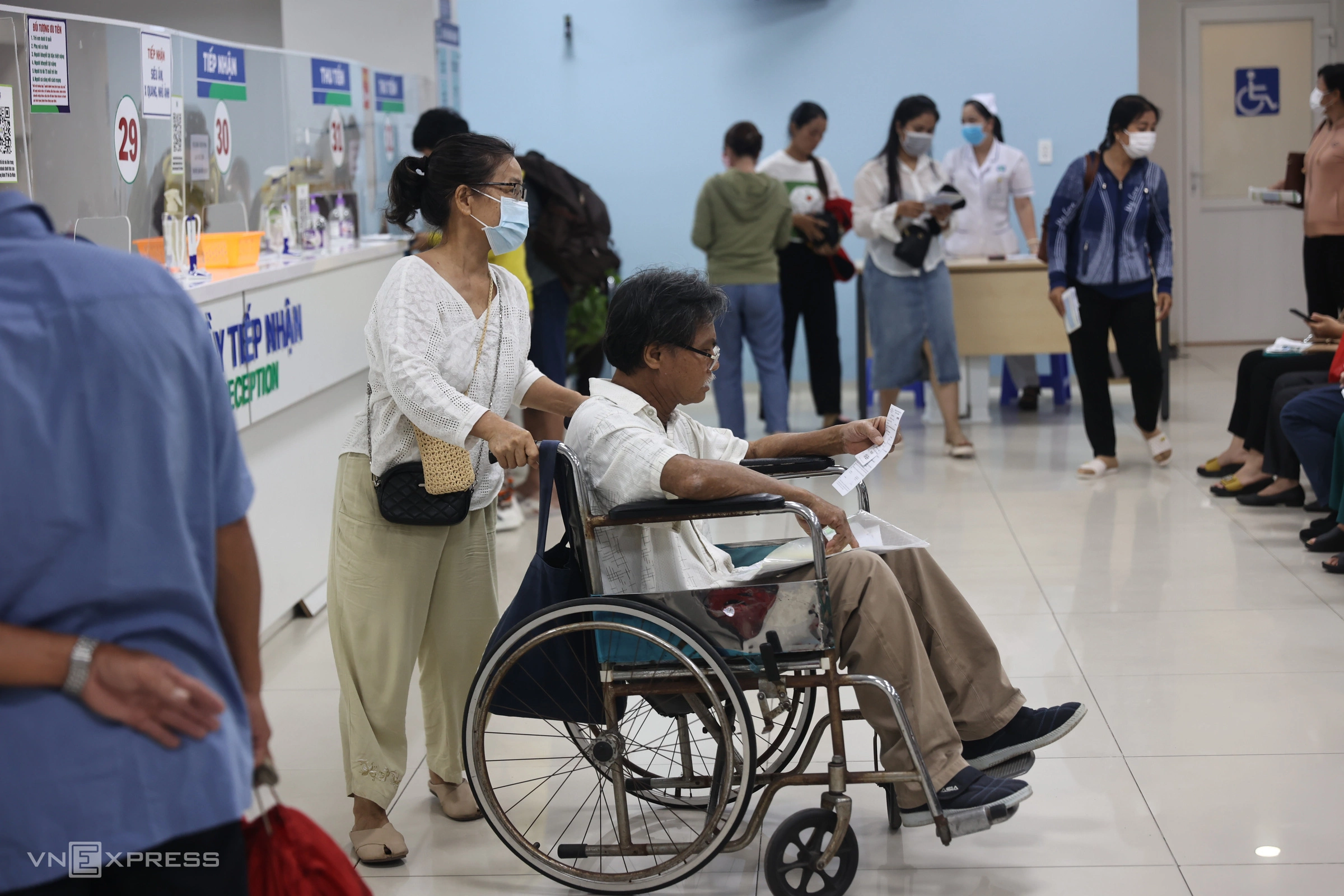 |
Patients in wheelchairs await examination at a Ho Chi Minh City hospital. *Quynh Tran* |
Based on these grounds, the HCMC People's Committee requested the Ministry of Health to lead discussions with the Ministry of Finance and Vietnam Social Security. The goal is to standardize the application of legal regulations and issue specific guidelines for health insurance payments concerning mobile medical examinations and treatment at social protection centers.
The city also urged the Ministry of Health to promptly guide health insurance payments for home-based medical care models, telemedicine, family medicine, and new forms of healthcare. If current regulations are incomplete or subject to multiple interpretations, they should be reviewed and amended to create a consistent legal framework, bringing healthcare services closer to the public, especially vulnerable groups.
Le Phuong