Cold or reheated rice contains a higher amount of resistant starch compared to freshly cooked rice. Resistant starch functions as a type of dietary fiber, remaining undigested as it passes through the small intestine. Upon reaching the large intestine, it nourishes beneficial gut bacteria, leading to the production of short-chain fatty acids, which help reduce inflammation and prevent constipation.
The fermentation of resistant starch in the gut produces short-chain fatty acids (SCFAs), influencing hormones like glucagon-like peptide-1 (GLP-1) and peptide YY (PYY), which help regulate appetite. According to Healthline, consuming cold or reheated rice can increase resistant starch intake, potentially improving blood sugar levels and cholesterol.
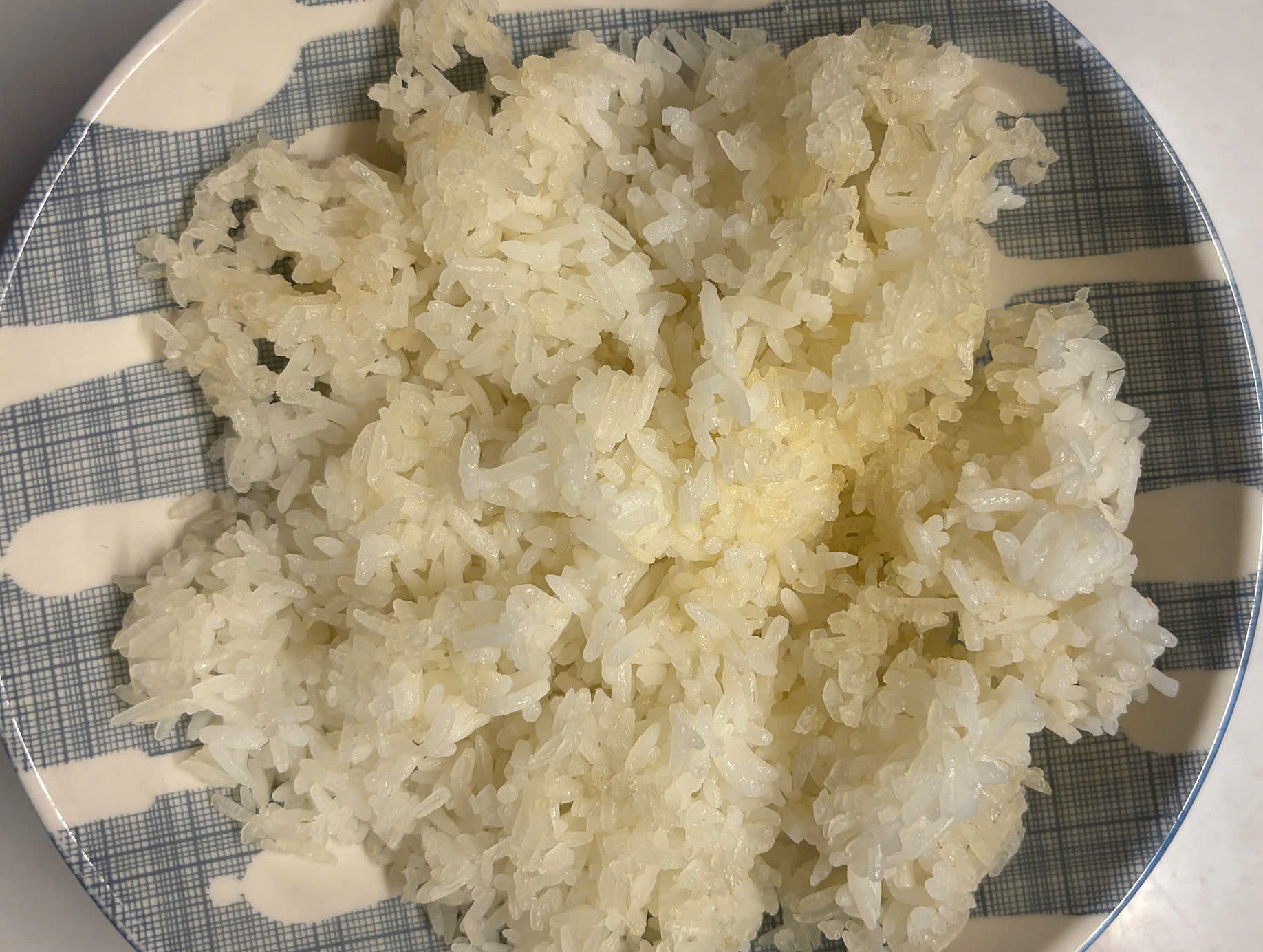 |
Cold rice is rich in resistant starch. Photo: Anh Chi
However, improperly stored cold or reheated rice can increase the risk of food poisoning caused by Bacillus cereus bacteria. According to Health, if cooked rice is left at room temperature for more than two hours, spores can multiply rapidly and produce toxins. Notably, the toxins produced by Bacillus cereus are often not destroyed even when the rice is reheated.
Symptoms can manifest soon after consumption. These toxins quickly induce nausea and vomiting, typically within 30 minutes to six hours after eating rice left at room temperature for too long. Diarrhea usually appears later, accompanied by vomiting and abdominal cramps. Diarrhea often lasts six to 15 hours after consuming contaminated food. Other symptoms, such as abdominal cramps, headaches, and body aches, commonly persist for about 24 hours.
If experiencing symptoms of food poisoning from cold rice, it is important to hydrate frequently, taking small sips of water every few minutes. Consume bland foods such as crackers, thin porridge, whole-wheat bread, and bananas, and get ample rest to allow the body to recover.
If symptoms persist for more than 24 hours or show no signs of improvement, seek medical consultation for treatment. Prompt medical attention is necessary if you experience fever, blood in vomit or stool, signs of dehydration such as dry mouth, dizziness, reduced urination, or electrolyte imbalance, to prevent complications.
While anyone can experience food poisoning from cold rice, individuals with weakened immune systems, such as children, the elderly, or pregnant women, face a higher risk of infection, according to WebMD.
To safely consume cold rice, divide hot rice into multiple containers immediately after cooking. Allow it to cool for approximately 30 minutes before placing it in the refrigerator. Never leave rice at room temperature for more than one hour.
When storing food in the refrigerator, ensure rice containers are tightly sealed and kept separate from raw foods. Cold rice can be safely stored in the refrigerator for a maximum of three to four days. It should not be left at room temperature for more than two hours; if it is, it is best to discard it. Always select clean, safe rice from a reputable source to minimize the risk of bacterial contamination.
Anh Chi (Compiled)
| Readers can submit questions about digestive diseases here for doctors to answer. |