Bacterial coinfection with influenza A accounts for 30-50% of influenza cases that develop pneumonia, according to Doctor of Medicine II Le Thi My Chau, a physician in the General Internal Medicine - Infectious Diseases Department at Tam Anh General Hospital, TP HCM. This condition progresses rapidly, often leading to respiratory failure and multi-organ failure, with patients frequently needing mechanical ventilation.
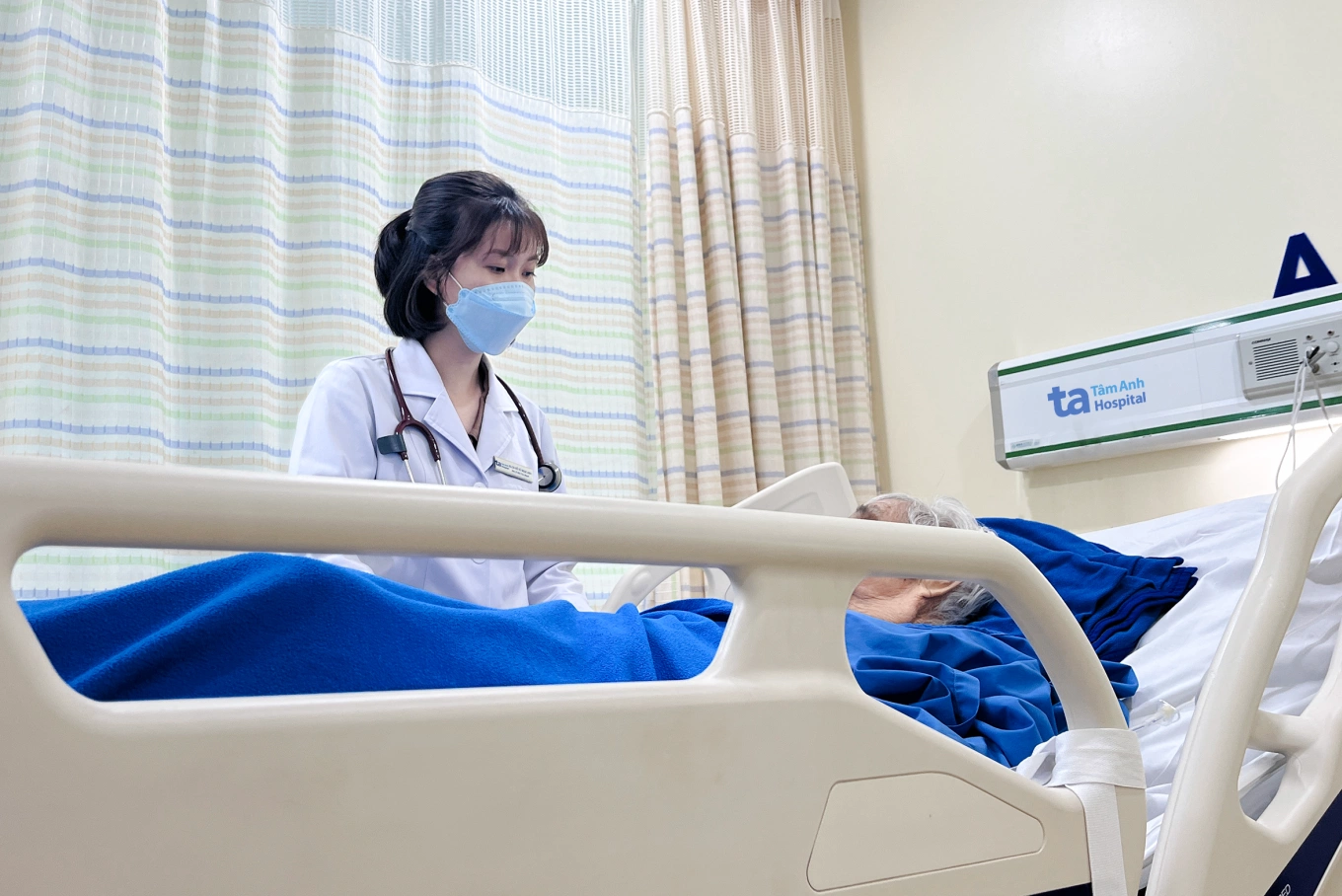 |
A 90-year-old woman suffering from influenza A complicated by bacterial coinfection pneumonia, undergoing treatment at Tam Anh General Hospital, TP HCM. Photo: Ha Vu
Explaining the mechanism behind the severe illness, Doctor My Chau noted that the influenza A virus damages the respiratory tract lining, creating an environment conducive to bacterial invasion. Common culprits include pneumococcus, Staphylococcus aureus, Streptococcus, and Haemophilus influenzae. Additionally, the virus diminishes the number and function of cilia, impairing the body's ability to clear external pathogens and contributing to coinfection.
The influenza virus also suppresses the immune system, allowing bacteria to easily reach the alveoli, causing severe pneumonia, airway obstruction, and increasing the risk of death.
Bacterial coinfection in influenza A patients typically occurs a few days after the initial onset of flu symptoms or one to three weeks later, often when flu symptoms have already diminished or improved, yet the condition can silently worsen. Patients may experience recurrent high fever, a cough producing greenish-yellow phlegm, shortness of breath, chest pain, cyanosis, extreme fatigue, and loss of appetite. Young children often appear lethargic, refuse to feed, breathe rapidly, or exhibit chest retractions. Many mistakenly attribute these symptoms to a recurring fever after the flu, but it indicates severe coinfection.
Recently, the Tam Anh General Hospital system has recorded numerous severe cases of influenza A with bacterial coinfection. The most recent case involved a 90-year-old woman with multiple underlying conditions, who developed severe pneumonia due to influenza A coinfection with both bacteria and fungi, requiring 30 days of treatment before discharge. The National Hospital for Tropical Diseases also treated a 16-month-old child who contracted influenza A complicated by bacterial bronchitis, facing risks of respiratory failure and sepsis since 8/11.
Therefore, Doctor Chau advises the public not to be complacent about influenza. Individuals infected with influenza A should seek medical attention for examination and appropriate treatment. In cases of bacterial coinfection, antibiotics may be prescribed for early disease control.
People should avoid self-treating, as this increases the risk of the illness worsening. Furthermore, everyone should receive annual influenza vaccinations and vaccinations for other diseases that can coinfect or superinfect with influenza, such as: pneumococcus, respiratory syncytial virus (RSV), measles, chickenpox, and Hib, to reduce the risk of complications.
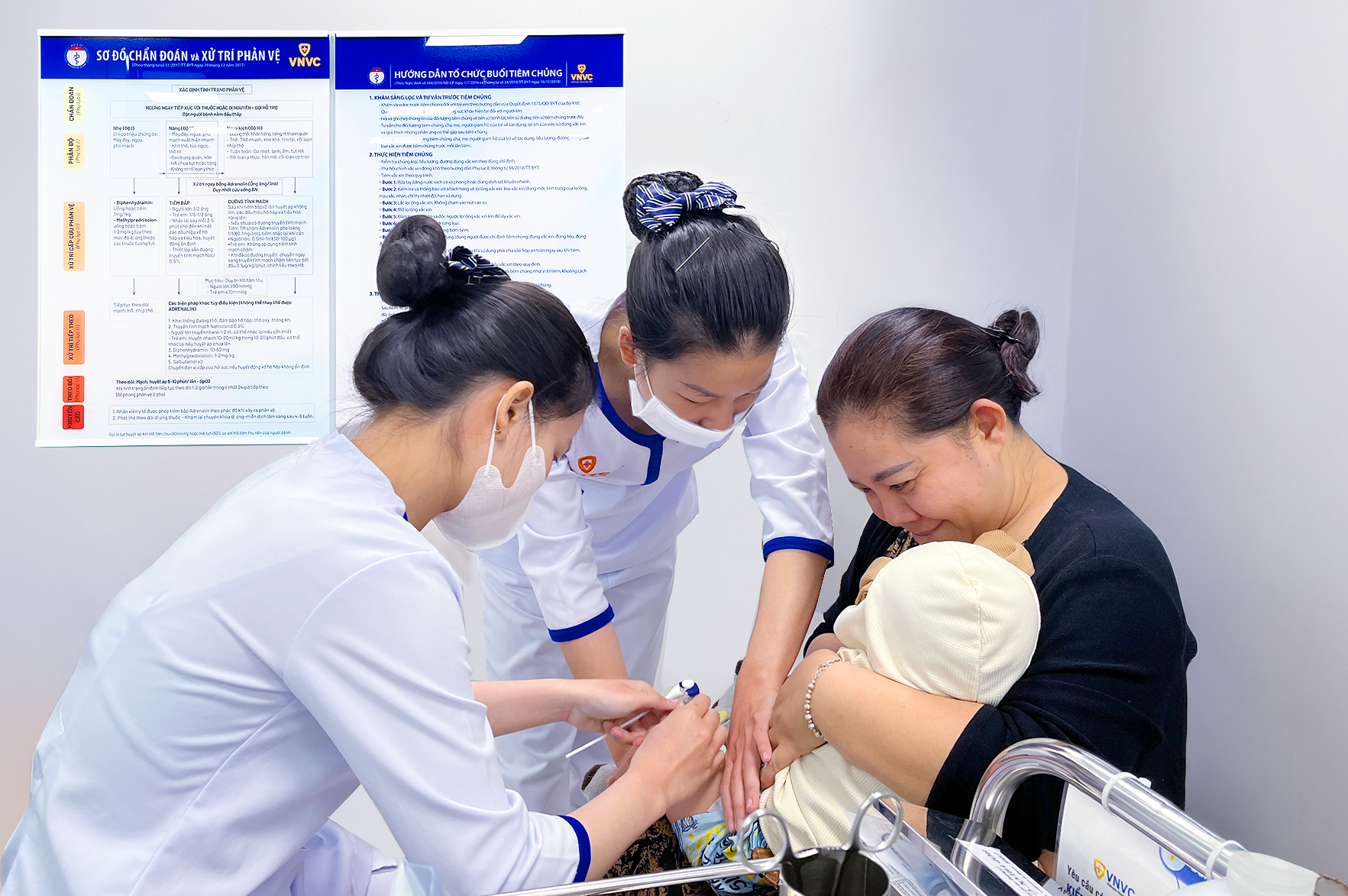 |
Parents getting their children vaccinated against influenza and pneumococcus at VNVC Vaccination Center in District 9, Tang Nhon Phu Ward, TP HCM. Photo: Dieu Thuan
According to Doctor Bach Thi Chinh, Medical Director of the VNVC Vaccination System, Vietnam currently offers four types of influenza vaccines from Vietnam, South Korea, the Netherlands, and France, protecting against strains A/H3N2, A/H1N1, and influenza B. These vaccines reduce the risk of infection by 60%, hospitalization by 90%, and mortality by 70-80%. Children from 6 months to under 9 years old who have never been vaccinated require two doses, administered at least four weeks apart. Individuals aged 9 years and older, as well as adults, need one dose. Pregnant women can be vaccinated at any stage, with the second trimester being optimal. An annual booster shot is necessary to maintain immunity.
Beyond influenza, Vietnam also has five types of pneumococcal vaccines (10, 13, 15, 20, 23) to prevent pneumonia, meningitis, and otitis media. Pfizer's RSV vaccine is administered to pregnant women from weeks 24-36 to protect infants during their first six months of life, and also to individuals aged 60 and above. Infants up to 24 months old can receive Sanofi's RSV monoclonal antibody.
In addition to vaccination, people should maintain personal hygiene, wash hands frequently, wear masks in crowded places, cover their mouths when coughing, eat nutritious foods, get adequate sleep, and exercise regularly to boost their immunity. Doctor Chinh emphasized that these preventive measures are crucial given the colder, humid, and erratic weather conditions, coupled with increased social interaction, travel, and festive gatherings during the year-end months, all of which facilitate pathogen spread.
Dieu Thuan