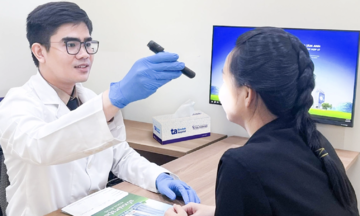
Thanh, 26, recently diagnosed with active hepatitis B two months ago during a health screening, faces significant emotional distress. Unsure of the infection source, she received outpatient treatment and was advised to have follow-up appointments every 3 months, avoid alcohol, tobacco, and late nights.
Despite no signs of liver damage, Thanh feels self-conscious due to the transmissible nature of the disease and the need for long-term medication. Not knowing how she contracted it exacerbates her fear, making her reluctant to confide in friends or family.
At work, Thanh avoids interacting with colleagues. She declines social gatherings, chooses a secluded spot for lunch, and always wears a mask, citing a "facial skin allergy" to prevent close contact.
 |
Many people feel devastated and self-conscious when diagnosed with hepatitis B. Photo: Vecteezy |
Huy, 27, from Hanoi, similarly struggles with the emotional weight of hepatitis B. He has lived with the condition since birth and undergoes annual check-ups, but he has not revealed his diagnosis to his girlfriend, fearing she might end their relationship. When with her, Huy consciously avoids sexual intimacy to prevent potential transmission. His self-consciousness about hepatitis B also prevents him from proposing, despite their years-long relationship.
Dr. Nguyen Le Nga, a specialist in internal medicine and medical manager at VNVC Vaccination System, explains that hepatitis B patients often experience self-consciousness and anxiety. Common concerns include feeling self-conscious about prolonged medication and frequent doctor visits, as well as fear of stigma due to misconceptions that hepatitis B spreads easily through casual contact, leading to social avoidance. Some patients adopt excessively strict diets, fearing the disease will progress to cancer.
According to Dr. Nga, medical science confirms that individuals with hepatitis B, when properly monitored and treated, can lead healthy, productive lives. Hepatitis B is transmitted through three main routes: blood, sexual contact, and from mother to child during pregnancy and childbirth. It does not spread through normal daily activities like sharing meals.
Therefore, patients with hepatitis B should not feel overly self-conscious or avoid social interaction. Regarding diet and lifestyle, patients should consult their doctor and avoid overly restrictive methods.
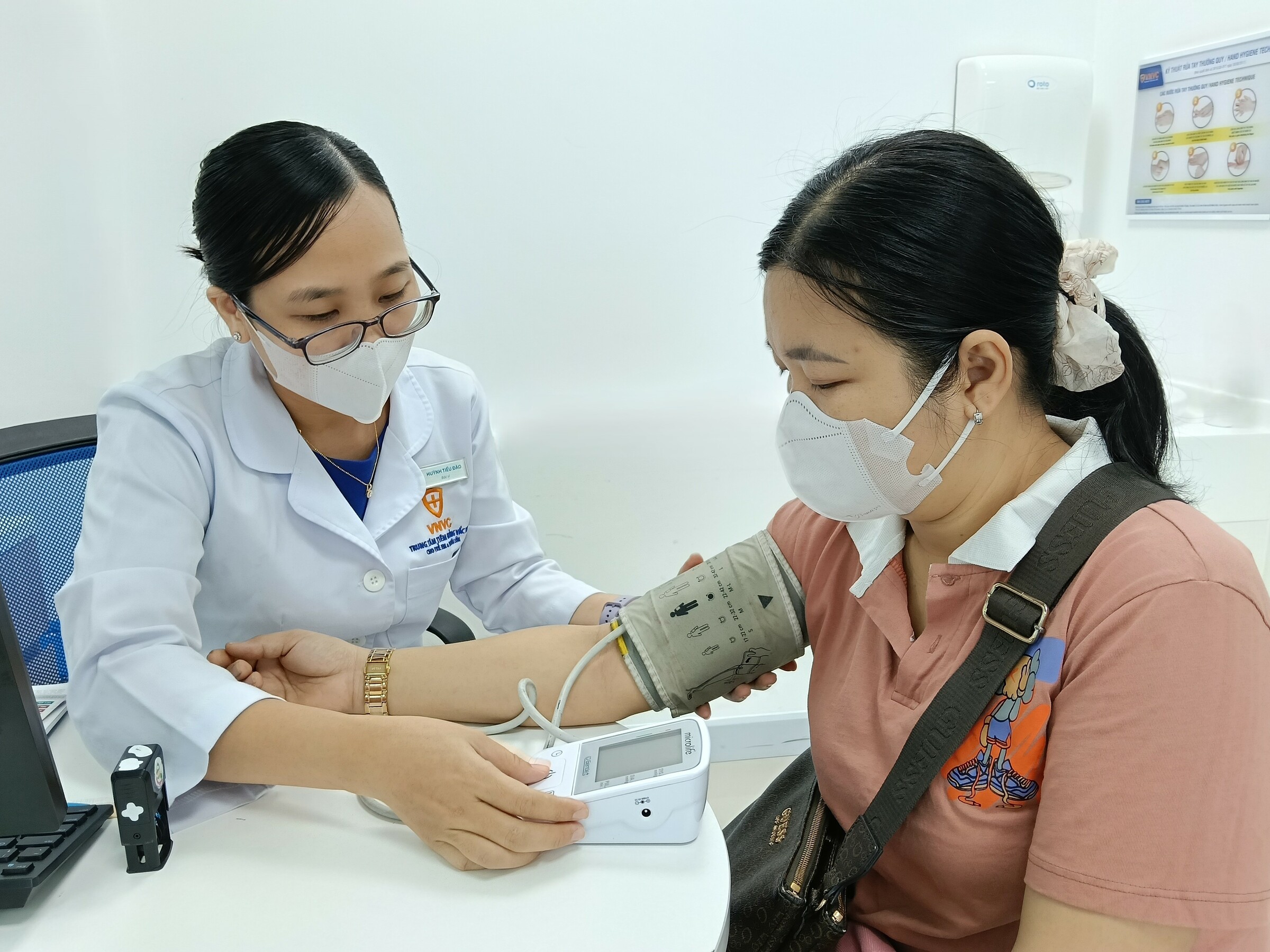 |
People undergoing screening before hepatitis B vaccination at VNVC Vaccination System. Photo: Hoang Duong |
Patients must follow their doctor's instructions, whether that means not needing medication yet or adhering strictly to prescribed treatment and scheduled follow-ups for timely monitoring. It is crucial not to stop medication or use unverified folk remedies.
Moreover, patients should share their condition with close family members or those they frequently interact with, enabling preventive measures. Everyone is encouraged to get tested and vaccinated against hepatitis B for active prevention.
Numerous studies demonstrate that hepatitis B vaccination is effective in preventing the transmission of the hepatitis B virus, thereby reducing the risk of liver cancer and liver cancer-related mortality. Adults should undergo hepatitis B screening before vaccination.
Hoang An
*Names of individuals have been changed.