Eng English
China 中国人

Eng English
China 中国人
  • News
  • World
  • Business
  • Entertainment
  • Sports
  • Law
  • Education
  • Health
  • Lifestyle
  • Travel
  • Science
  • Digital
  • Automobiles
  • Trở lại Thể thao
  • Health
Friday, 20/3/2026 | 02:01 GMT+7

Seven habits that raise morning blood sugar

Consistently high morning blood sugar levels can stem from various factors related to sleep, physical activity, and diet the previous night.

If blood sugar is consistently high in the morning, individuals should check their levels before bed and overnight. They should also review any habits that might contribute to this condition.

Here are seven habits that can lead to elevated morning blood sugar:

1. Late-night snacking

Snacking in the evening impacts more than just nighttime blood sugar. During sleep, digestion slows, and the effect of snacks on blood sugar can extend into the morning. This is especially true for starchy snacks. If hungry late in the evening, choose low-carb snacks rich in fat, protein, and fiber to minimize their effect on blood sugar levels overnight and the following morning.

2. Poor sleep

Quality sleep is crucial for blood sugar levels. Studies on individuals with diabetes show higher post-breakfast blood sugar if they experience insufficient sleep or go to bed after midnight. People who regularly go to bed after midnight or get inadequate sleep also show greater fluctuations in blood sugar, regardless of whether they have diabetes. Establishing healthy sleep habits with consistent sleep times can help manage morning blood sugar.

3. Chronic stress

Chronic stress elevates cortisol, the body's stress hormone. This hormone affects sugar metabolism, stimulating the liver to produce more glucose and reducing the cells' ability to use glucose. The result is elevated blood sugar, which over time contributes to insulin resistance.

4. Improper insulin use

Incorrect insulin type, timing, or insufficient basal insulin are common causes of high morning blood sugar. If your blood sugar is low overnight, the body compensates by producing more sugar. This results in high fasting blood sugar in the morning. This can also happen if too much basal insulin is administered. This phenomenon is known as the Somogyi effect, named after its discoverer, chemist Michael Somogyi.

5. Skipping dinner

Insufficient energy intake can lead to overnight hypoglycemia. The body then reacts by increasing fasting blood sugar in the morning due to the Somogyi effect.

6. Evening exercise

Another cause of the Somogyi effect is intense exercise in the late afternoon or evening. The effects of exercise can last for hours, leading to overnight hypoglycemia. The body's compensatory process can result in high morning blood sugar. Having a snack with exercise or shifting your workout to the morning can help manage blood sugar.

7. Alcohol consumption

Alcohol consumption, particularly without food, can cause blood sugar to drop several hours later. This can trigger the Somogyi effect, where the body compensates by releasing hormones to raise blood sugar overnight. Limit alcohol and always pair it with a carbohydrate-containing snack. Alcohol can impair senses, making it difficult for individuals to detect dangerously low blood sugar.

High blood sugar before bed can result from high-carb intake or poor insulin management. Overnight blood sugar spikes, even after normal levels, may relate to insulin dosage or timing. Patients should consult a doctor for appropriate advice.

Anh Ngoc (According to Verywell Health)

By VnExpress: https://vnexpress.net/7-thoi-quen-lam-tang-duong-huyet-buoi-sang-5050517.html
Tags: high blood sugar

News in the same category

Does high protein intake harm kidneys?

Does high protein intake harm kidneys?

While healthy kidneys can process high protein levels, excessive intake can create an undue burden for individuals with existing kidney damage.

Rare disease compels doctors to opt for domino organ transplant

Rare disease compels doctors to opt for domino organ transplant

Doctors identified the dangerous rare disease amyloidosis in a man experiencing shortness of breath, saving his life through a successful simultaneous heart and liver transplant.

Man smoking a pack daily suffers sudden cardiac arrest

Man smoking a pack daily suffers sudden cardiac arrest

A 54-year-old man, who smoked a pack of cigarettes daily for 35 years, experienced sudden cardiac and respiratory arrest following 30 minutes of intense chest pain.

Kidney stone removal using 'mini-tunnel' through the skin

Kidney stone removal using 'mini-tunnel' through the skin

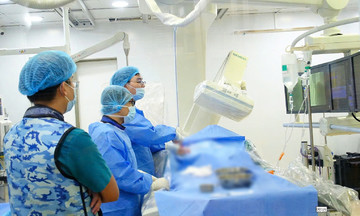
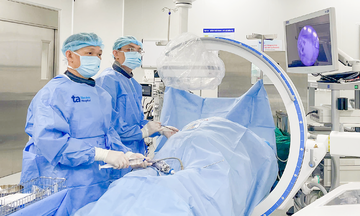
Mr. Duc, 66, had a large coral stone in his left kidney, which doctors successfully removed with laser lithotripsy through the skin in a single procedure.

Severe pitted scars from acne

Severe pitted scars from acne

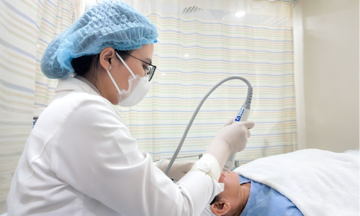
Ms. Binh, 42, with deep pitted scars on her nose and cheeks due to picking acne, received treatment combining subcision and microneedling.

Nocturia: Is it caused by benign prostatic hyperplasia?

Nocturia: Is it caused by benign prostatic hyperplasia?

I often wake up to urinate two to three times at night, experiencing difficulty and fatigue. Is this due to benign prostatic hyperplasia, and how is it treated? (Trong Nghia, 55, Dong Nai)

Signs of eye disease

Signs of eye disease

Changes in iris color, misaligned eyes, or difficulty focusing on near or distant objects can signal potential eye problems.

Five groups who should limit coconut water intake

Five groups who should limit coconut water intake

Individuals with diabetes, kidney disease, those on blood pressure medication, or experiencing electrolyte imbalance should limit coconut water consumption to safeguard their health.

Daily habits that help children develop intelligence

Daily habits that help children develop intelligence

Children should sleep before 10 PM, eat a nutritious breakfast, and maintain daily habits of reading and exercising to foster brain development.

Chinese doctor warns of five signs of late-stage kidney disease

Chinese doctor warns of five signs of late-stage kidney disease

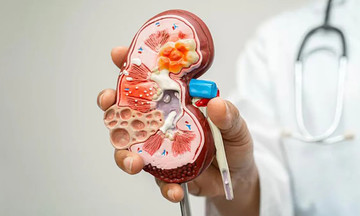
Persistent foamy urine, edema, high blood pressure, anemia, and prolonged fatigue are five warning signs that kidney disease has progressed to a late stage.

Eng English
China 中国人
  • News
  • World
  • Business
  • Entertainment
  • Sports
  • Law
  • Education
  • Health
  • Lifestyle
  • Travel
  • Science
  • Digital
  • Automobiles
FPT Tower, 10 Pham Van Bach Street, Dich Vong Ward,
Cau Giay District, Hanoi, Vietnam
Email: contacts@vnportal.net
Tel: 028 7300 9999 - Ext 8556
Advertise with us: 090 293 9644
Register
© Copyright 2026 vnnow.net. All rights reserved.
Terms of use Privacy policy Cookies