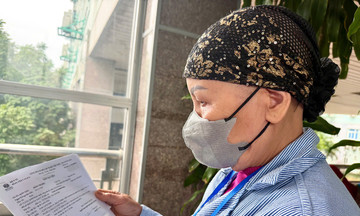
The patient reported consuming 15 to 20 cans of beer during his nightly sessions. Initially, he managed mild abdominal pain with stomach medication, allowing him to continue his drinking habit. However, the medication proved ineffective this time, and the pain escalated rapidly, feeling "like it was tearing through to his back," leading to his collapse in the emergency room. Tests revealed acute pancreatitis, not the stomach issue he had assumed.
In a similar case, a 30-year-old man from Can Tho required hospitalization for the second time in two months. His job involved frequent client entertainment, leading to nearly daily drinking sessions, or at least three or four days a week, with more than ten cans consumed nightly. Despite abstaining from alcohol after his previous emergency, his condition recurred due to a continued diet rich in fatty and high-protein foods.
Dr. Nguyen Do, Associate Head of the Digestive Internal Medicine Department at Nguyen Tri Phuong Hospital, explained the pancreas's role in secreting enzymes for food digestion. He noted that consuming excessive alcohol and fat over-activates these enzymes locally. Instead of breaking down food, they begin to self-digest and damage pancreatic tissue, leading to acute inflammation.
Data from the department, covering over 152 cases of acute pancreatitis treated from 6/2023 to late 2024, identified alcohol consumption as the primary cause (over 34%), followed by elevated triglycerides (nearly 32%). Over 21% of these cases developed into severe conditions, with a mortality rate of 2.6%.
Beyond alcohol, acute pancreatitis linked to high triglycerides is another significant, though often overlooked, cause. Elevated blood fats can thicken plasma to a milky consistency, leading to blockages and pancreatic damage. The Tet holiday, characterized by a diet rich in fats and proteins, can easily trigger this condition, particularly in individuals with dyslipidemia, those who are overweight or obese, or those with poorly managed diabetes.
 |
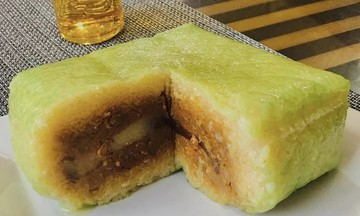
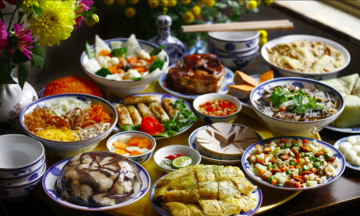
Excessive consumption of alcohol, fats, and proteins can lead to acute pancreatitis. *Photo: Thu Anh*.
The pain of acute pancreatitis is distinctive, manifesting as severe upper abdominal pain radiating to the back, accompanied by persistent vomiting that offers no relief, abdominal bloating, and indigestion. Severe cases can lead to low blood pressure, difficulty breathing, profuse sweating, and rapid deterioration. Such situations necessitate intensive resuscitation, hemodialysis, and plasma exchange to eliminate excessive blood fats, giving the pancreas an opportunity to recover.
The doctor warned, "Severe acute pancreatitis can rapidly worsen within the first 24 to 48 hours. Delays can lead to a critical condition, making treatment difficult and potentially life-threatening."
The doctor advised limiting alcohol consumption and eating moderately during festive seasons like Tet, along with ensuring adequate hydration to prevent blood thickening. Even individuals new to drinking or those pressured to drink at parties can experience an acute pancreatitis attack, particularly if they have a history of the condition. Any unusual abdominal pain following festivities warrants immediate medical attention to prevent dangerous complications, including fatality.
Le Phuong