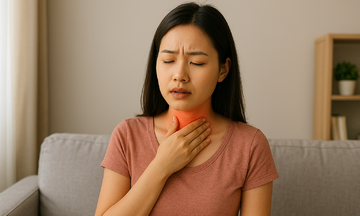
Ms. Nhu Quynh adopted this method from social media. According to online discussions, influenza A typically presents with a high fever above 38°C, dry cough, runny nose, headache, and fatigue. Taking medication immediately upon symptom onset is believed to lead to a quicker recovery.
"The medication helps reduce fever quickly, and recovery can occur within one to two days", she stated. In addition to the antiviral, she gave her son cough syrup, suctioned his nose, and administered saline drops. The child's fever subsided after two days, but he developed a persistent, thick phlegm cough, difficulty sleeping, and vomiting. Ms. Quynh continued to use folk remedies, such as herbal steaming, herbal baths, and "cao gio" (a traditional Vietnamese technique similar to coining or scraping) with alcohol, rather than taking her son to a doctor.
Similarly, Ms. Phuong Chu, 35, from Hanoi, gave antiviral medication to all four family members at the first signs of fever, runny nose, and headache. She and her husband each took one pill per dose, while their two children took half a pill. Additionally, she prepared herbal steam, gargled, rinsed their noses, and supplemented with vitamins.
After four to six days, Ms. Chu, her husband, and their older child recovered. However, their 4-year-old child experienced a recurrent high fever above 39°C, continuous coughing, extreme fatigue, and refused to eat or drink. Upon examination, a doctor diagnosed severe pneumonia caused by a bacterial superinfection following influenza A.
 |
Improper use of antiviral medication for influenza A can lead to drug resistance and affect liver and kidney function. *Photo: Vecteezy* |
According to Doctor of First-Degree Specialist Tong Thi Ngoc Cam, Deputy Medical Director for the Northern Region at VNVC Vaccination System, incorrect medication use remains prevalent within the community. Driven by a desire for quick recovery, people often resort to unverified remedies or purchase antiviral drugs to rapidly suppress symptoms.
Doctor Cam stressed that medication use must adhere to a doctor's prescription. Self-medication can lead to drug resistance, rendering the medication ineffective in subsequent influenza infections. Furthermore, incorrect dosages can impair liver and kidney function. Some antiviral drugs have contraindications and should not be used by individuals with chronic conditions. Misusing medication poses significant health risks. In cases of superinfection, patients may be prescribed appropriate antibiotics.
Therefore, individuals must seek medical examination when experiencing symptoms such as fever, cough, or sore throat. They should not self-treat at home or buy medication independently due to concerns about the epidemic, long waiting times, or cross-infection risks. If monitored at home, patients should eat nutritious food, rest, and take prescribed medication.
Influenza A is an acute infectious disease that spreads easily through respiratory droplets and contact with contaminated surfaces, followed by touching the eyes, nose, or mouth. The Ministry of Health recently issued a warning about an outbreak, as the country has seen a significant increase in influenza cases over the past three months. Additionally, colder weather, wide temperature fluctuations, and increased social gatherings and travel during the year-end months create opportunities for respiratory viruses like influenza, measles, chickenpox, and respiratory syncytial virus (RSV) to cause more infections.
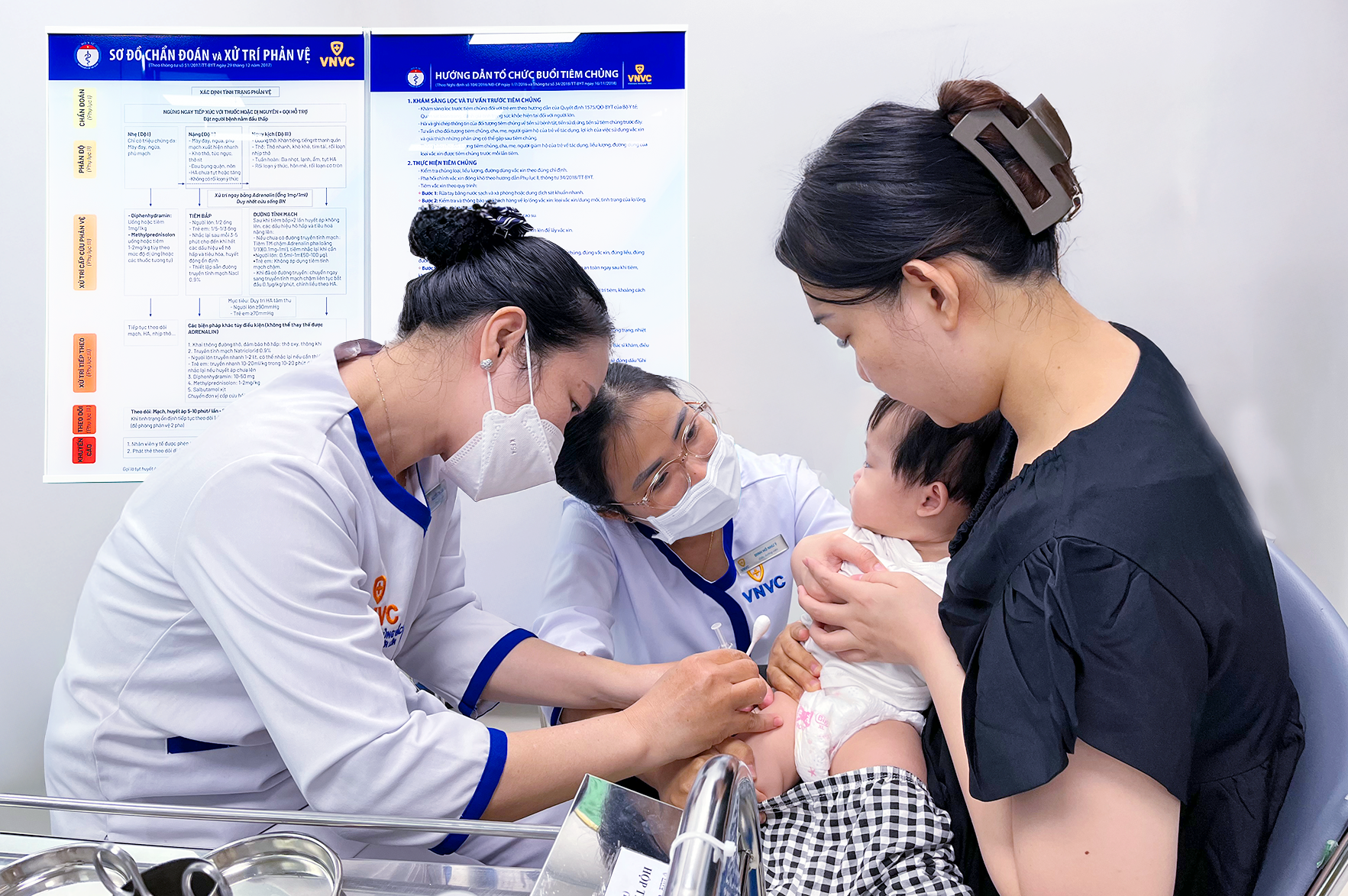 |
Parents vaccinate young children against influenza at VNVC Vaccination System. *Photo: Dieu Thuan* |
Therefore, Doctor Cam recommends proactive disease prevention through a nutritious diet, adequate sleep, vitamin supplementation, wearing masks in public, and frequent handwashing.
Influenza vaccination is a proactive measure that reduces the risk of infection and severe complications. It is recommended for everyone from six months of age to adults. Children aged six months to under 9 years who have never been vaccinated require two doses, administered one month apart. Children aged 9 and older, along with adults, need one dose. Pregnant women can be vaccinated at any stage, with the second trimester being optimal. Annual booster shots are necessary to maintain immunity.
Moreover, individuals with influenza A are susceptible to superinfections from other pathogens, such as respiratory syncytial virus (RSV) and bacteria like pneumococcus, Staphylococcus aureus, and Haemophilus influenzae, which increase the risk of complications. For pneumococcal disease, Vietnam offers five types of vaccines: pneumococcal 10, 13, 15, 20, and 23, which help prevent pneumonia, meningitis, otitis media, and sepsis. These vaccines can be administered to children from six weeks of age to adults. A doctor will advise on an appropriate vaccination schedule based on age and immunization history.
Vaccines are also available for other diseases such as RSV, meningococcal disease, chickenpox, and measles, and early vaccination is advised for prevention.
Phuc An