Applying antihistamine cream and white alcohol to a child's skin for hives is unsafe and potentially dangerous. To treat hives in children, doctors must first identify the cause through medical history, allergy history, and examination. Subsequently, the doctor prescribes anti-allergy medication and provides prevention guidelines to reduce itching and hives.
Hives in children are a skin reaction where the body releases histamine due to irritants or allergens. Common symptoms include swollen, raised patches or welts on the skin, causing intense itching, sometimes accompanied by a burning sensation. These lesions can appear quickly, shift locations, usually clear within 24 hours, and often recur. Causes include viral infections, bacterial infections, food allergies, drug allergies, insect bites, weather changes, and in some cases, the cause remains unknown.
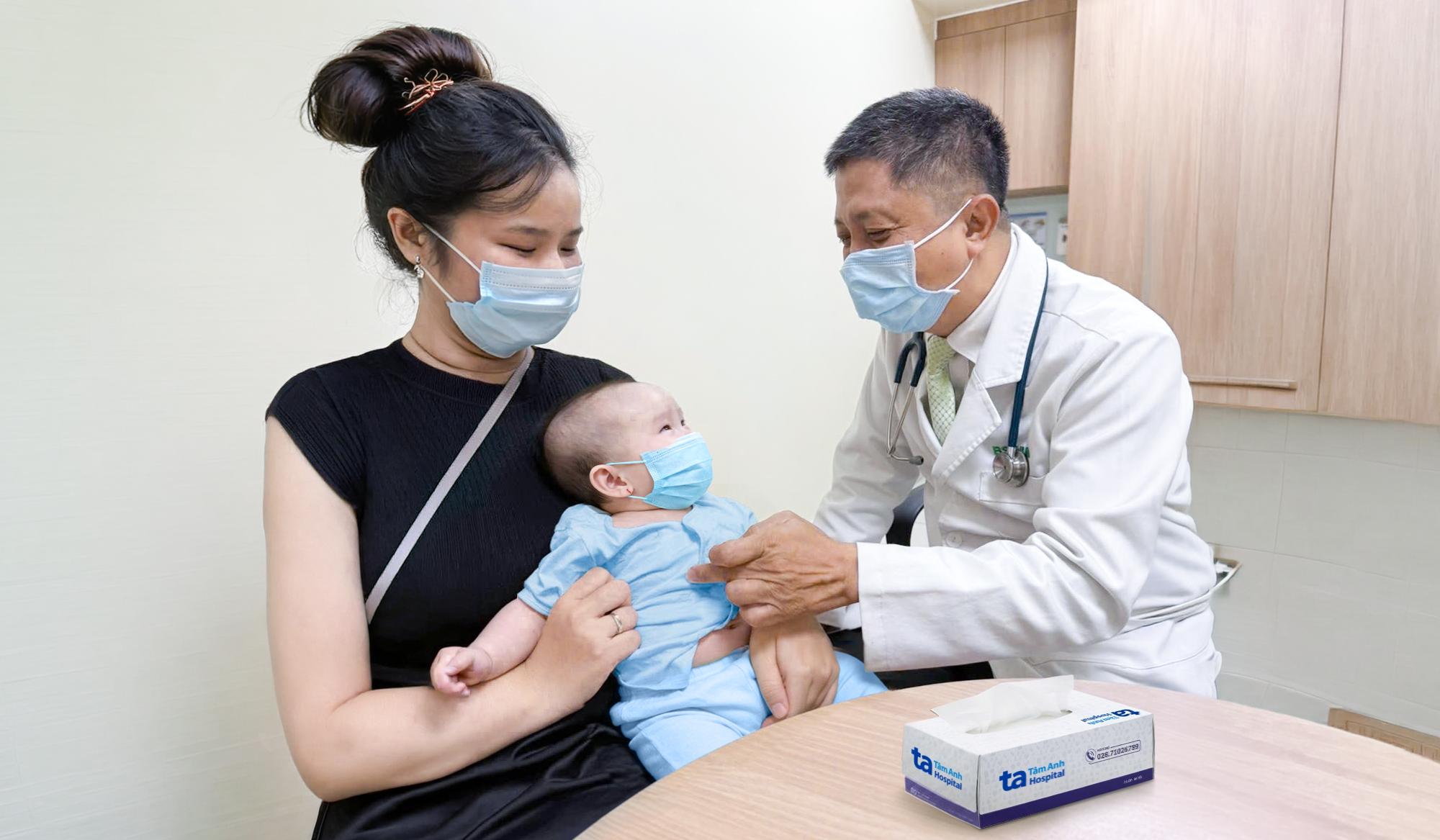 |
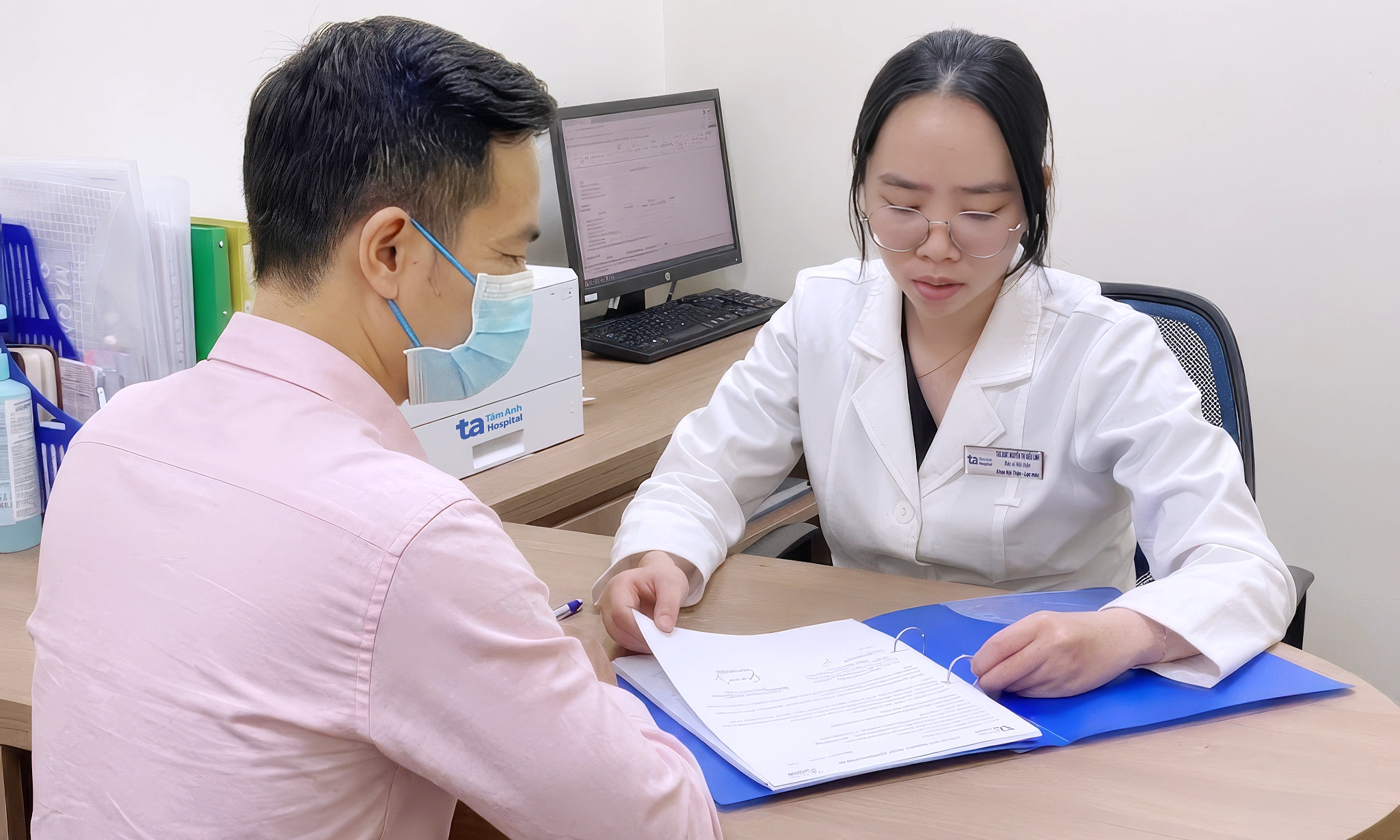
Master of Science, Doctor Nguyen Dinh Huan examines a pediatric patient at Tam Anh General Hospital, TP HCM. Photo: Minh Tam |
Parents should seek medical attention if the child exhibits allergic hive symptoms, swelling of the lips, tongue, or around the eyes, difficulty breathing, wheezing, high fever, abdominal pain, vomiting, low blood pressure, or if hives spread widely or persist for over 24 hours. Most childhood hives are benign, but if accompanied by these severe signs, the child requires immediate emergency medical attention for prompt treatment. Children should be examined at a medical facility with a pediatric specialty, such as pediatric allergy or pediatric dermatology, for assessment, diagnosis, and appropriate treatment.
Topical antihistamines are not recommended for young children due to risks of contact dermatitis, photosensitivity, and even systemic absorption leading to side effects like drowsiness or central nervous system depression. Applying white alcohol easily causes irritation, burning, dry skin, worsening skin damage, and increases the risk of alcohol poisoning, which can stimulate or depress the central nervous system.
Keep the child's skin clean, dress them in loose, breathable clothing, and avoid scratching to prevent skin abrasions. Do not apply medication without a doctor's consultation. Additionally, avoid folk remedies like applying alcohol or herbal poultices, as these can cause irritation or worsen the condition.
Master of Science, Doctor Nguyen Dinh Huan
Department of Pediatrics, Tam Anh General Hospital, TP HCM
| Readers can submit questions about neonatal pediatrics here for doctors to answer. |