Vegetables and fruits provide essential vitamins, minerals, fiber, and antioxidant compounds crucial for a child's overall growth and development. Children who are reluctant to eat these foods are prone to deficiencies in vitamin A, vitamin C, folate (a B-group vitamin), potassium, and fiber. These deficiencies can weaken their immune system, impair growth, and lead to digestive issues.
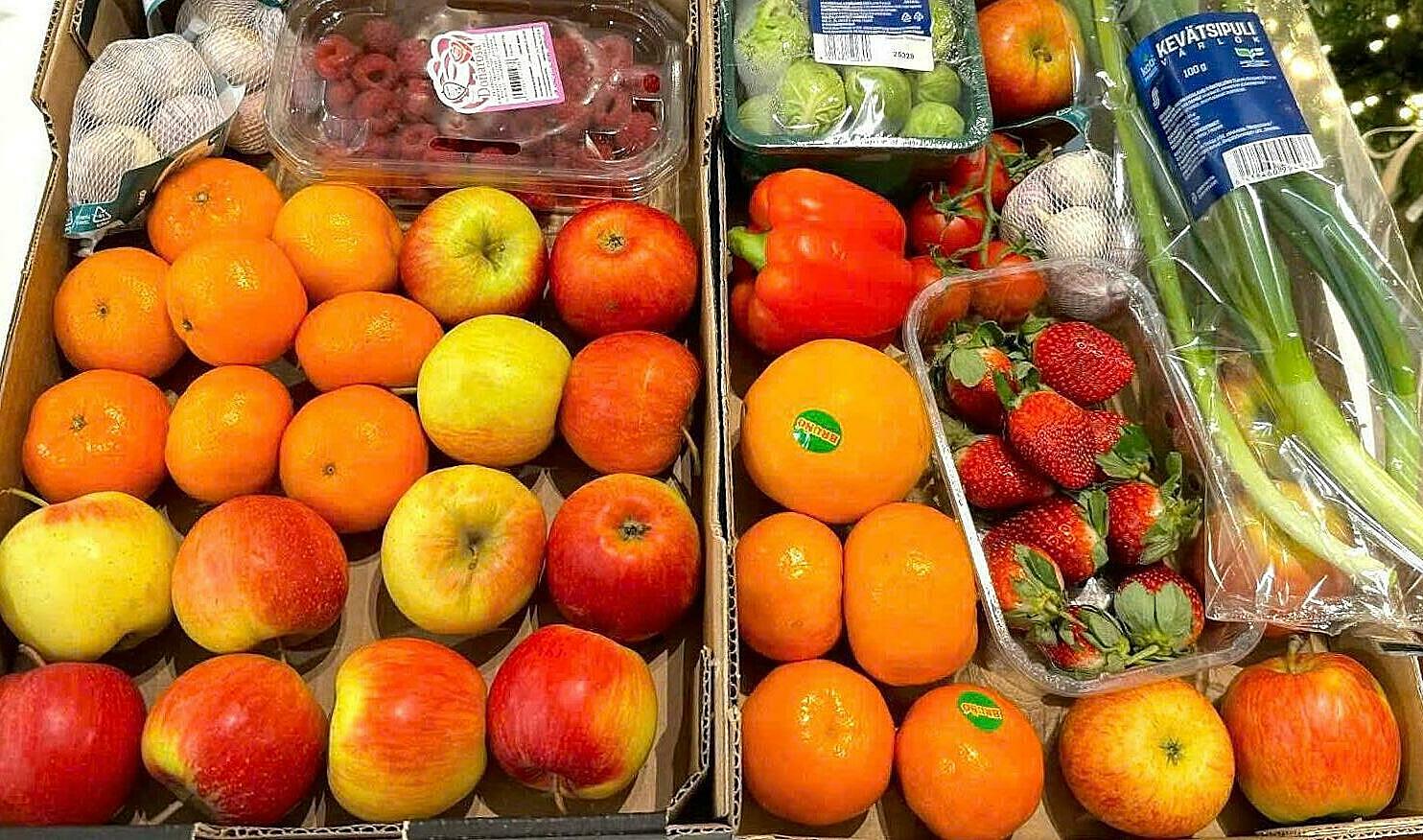 |
Vegetables and fruits contain many nutrients beneficial for children's health. *Suri* |
Vitamin supplementation for children who do not eat vegetables and fruits should only be a temporary supportive measure. It cannot fully replace the nutritional benefits derived from whole foods. Children absorb vitamins more effectively and safely from natural food sources compared to relying on dietary supplements.
If a child consumes very few vegetables and shows clear signs of deficiency, a doctor may consider supplementing certain micronutrients, such as vitamin D, vitamin C, or B-group vitamins. Vitamin A supplementation should only occur under medical supervision. Excessive intake of vitamins, especially fat-soluble vitamins like A and D, can be toxic and negatively affect the liver, kidneys, bones, and nervous system.
Parents should establish healthy eating habits and gradually introduce vegetables to their children. Strategies include: finely chopping vegetables and mixing them into porridge, soup, or noodles; pureeing vegetables to create sauces or smoothies with fruit; choosing naturally sweet and soft vegetables like pumpkin, carrots, or young corn to make them more appealing. Offering fruit as a daily dessert instead of sweets can also help. Involving children in meal preparation, presenting food attractively, and eating together as a family can further encourage them to accept vegetables.
Doctor Tran Thi Tra Phuong
Nutrition Department
Tam Anh General Hospital Hanoi
| Readers can submit nutrition questions here for a doctor's response. |