Picky eating is common in young children, especially before the age of 5. Children may experience physiological picky eating due to body changes during different developmental stages. Picky eating can also result from an unsuitable diet, acute or chronic illnesses, or a deficiency in micronutrients such as iron, zinc, or magnesium. Therefore, not all cases require zinc supplementation.
Zinc participates in the activity of over 300 enzymes in the body, playing a role in immune function, protein synthesis, wound healing, DNA synthesis, and cell division. A zinc deficiency can lead to a poor appetite, slowed growth in both weight and height, increased susceptibility to infections, dry skin, hair loss, or slow wound healing.
 |
Doctor Hang advises a mother on her child's nutritional and vitamin needs. *Photo: Tam Anh General Hospital* |
However, picky eating does not always mean a zinc deficiency. Many children become picky eaters due to consuming too much milk, sweets, or snacks before main meals, an unsuitable daily routine, or prolonged forced feeding, which can create psychological aversion. Some cases are related to anemia, constipation, gastroesophageal reflux, food allergies, digestive disorders, or other medical conditions that require specific treatment.
Only when a child is assessed as being at risk or diagnosed with a zinc deficiency will a doctor prescribe supplementation with an appropriate dosage and duration. Parents who independently give zinc to their children for extended periods will not improve picky eating if the underlying cause is not a zinc deficiency.
Zinc abuse can cause vomiting, nausea, digestive disorders, and a bitter taste in the mouth. Prolonged high-dose zinc intake can also lead to an imbalance of micronutrients due to competitive absorption, reducing the body's absorption of copper and iron, thereby affecting blood formation and immunity.
Instead of self-supplementing zinc, parents should establish scientific eating habits for their children. Each meal should last about 20-30 minutes, without distractions like watching television or using phones. Limit sweets and snacks before main meals. The diet should be diverse, and preparation methods varied to stimulate interest in eating. Additionally, encourage children to engage in outdoor activities and get enough sleep.
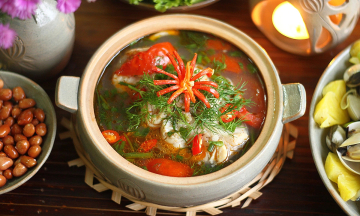
Parents should also prioritize zinc intake from foods such as oysters, clams, scallops, poultry like chicken, eggs, and milk. A diverse diet provides zinc and helps children receive all necessary vitamins and minerals for growth.
If a child is a picky eater, experiences weight loss or slow weight gain, frequently falls ill, or shows signs of micronutrient deficiency such as hair loss, sleep disorders, or pale skin, parents should take them for a nutritional examination. A doctor will assess growth rate and diet, and order necessary tests to determine the cause, then recommend an appropriate treatment plan.
Master, Doctor Hoang Thi Hang
Department of Nutrition
Tam Anh General Hospital, Ha Noi
| Readers can submit questions about nutrition here for a doctor's response. |