The body needs cholesterol to build cell membranes, produce vitamin D, and create certain hormones. However, high LDL cholesterol can accumulate in artery walls, causing atherosclerosis and increasing the risk of heart attack and stroke. Incorporating the following foods into your weekly diet can help improve these levels.
Oats
According to Eating Well, oats are rich in beta-glucan, a soluble fiber that forms a gel in the digestive tract. This limits cholesterol absorption and aids its excretion through the intestines. Regular oat consumption can help lower LDL.
You can enjoy oats for breakfast with unsweetened yogurt, low-fat milk, fruit, or nuts. Prioritize whole-grain, rolled oats over instant varieties, which often contain added sugar.
Lentils
Lentils provide fiber, plant protein, and many micronutrients. Substituting some red meat with lentils also reduces saturated fat intake, which benefits cholesterol management. You can add lentils to soups, salads, and stews, eating them regularly a few times weekly to boost overall fiber intake.
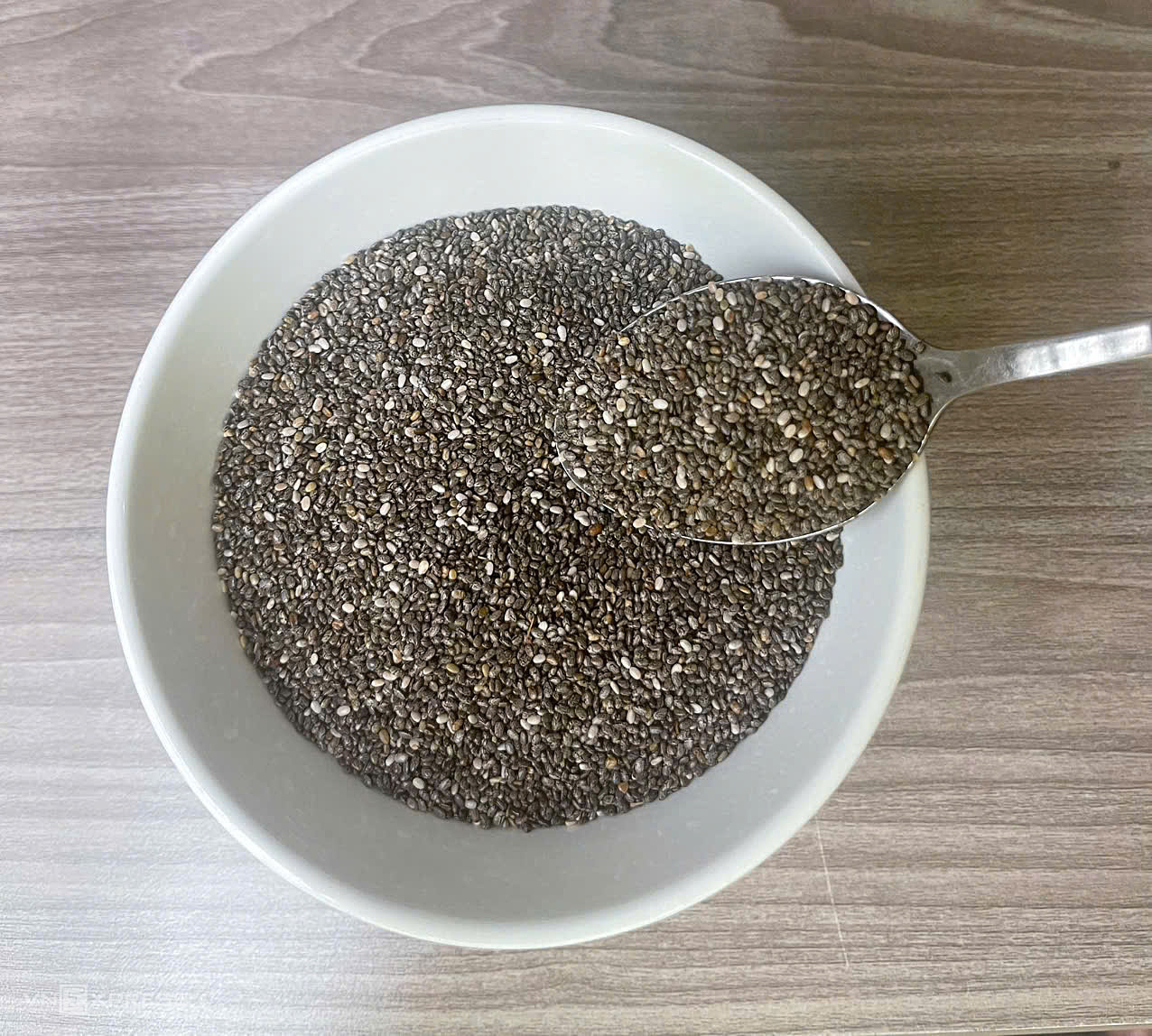 |
Chia seeds are rich in soluble fiber and plant-based omega-3s, helping to reduce bad cholesterol. Photo: Le Nguyen |
Walnuts
Walnuts are rich in polyunsaturated fats, including alpha-linolenic acid (ALA), a plant-based omega-3. Replacing some saturated fat-containing foods with nuts like walnuts helps lower bad LDL cholesterol, supporting heart health.
Eat a small handful directly or add them to oats, yogurt, and salads. Choose unsweetened or unsalted walnuts to avoid increasing calorie and sodium intake.
Chia seeds
Chia seeds contain fiber, especially soluble fiber, along with unsaturated fats and plant-based omega-3s. When combined with a balanced diet, this seed helps control cholesterol and promotes heart health.
You can soak chia seeds in milk or yogurt, mix them with oats, or add them to smoothies. Start with a small amount and drink sufficient water to help your digestive system adapt to the increased fiber, according to WebMD.
Almonds
Almonds are rich in monounsaturated fats, which improve cholesterol ratios when used instead of animal fats, butter, or dishes high in saturated fats. This nut also provides fiber and vitamin E, supporting cardiovascular health. You can eat a small handful of whole almonds daily or add them to yogurt and oats.
By Le Nguyen (Compiled)
| Readers can send questions about heart disease here for doctors to answer |