Coughing is a natural reflex that helps the body expel secretions, dust, virus, or bacteria from the respiratory tract. This condition can arise from a cold, flu, sore throat, bronchitis, asthma, allergies, gastroesophageal reflux, or exposure to dust and smoke.
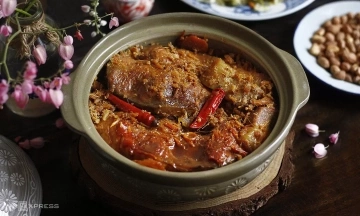
There is currently no scientific evidence to suggest that eating crab or ghe worsens coughs in all cases. Whether you can consume crab and ghe depends on the cause of your cough, any underlying allergies, and how the food is prepared.
If you do not have a seafood allergy, you can still eat crab and ghe in appropriate amounts. These foods are nutrient-rich, containing protein, zinc, selenium, vitamin B12, and minerals beneficial for immunity and the body's recovery process during illness. For example, 100 g of crab meat contains about 12,3 g of protein, a relatively high amount compared to many other foods. Crab also provides iron, calcium, zinc, phosphorus, B vitamins, and omega-3, which support blood formation and maintain the health of bones, joints, the cardiovascular system, and the brain.
However, for some individuals, crab and ghe can increase throat irritation or stimulate an inflamed throat lining, making a cough more severe or persistent. In some instances, an increase in coughing after eating may not be due to the seafood itself but rather to shell fragments or crab claws adhering to the throat lining, causing irritation. If crab is not finely ground or filtered, small shell pieces can get stuck in the throat, leading to a temporary cough. Therefore, it is advisable to eat slowly, remove all shells thoroughly, and ensure the food is well-prepared to minimize this risk.
Individuals with a seafood allergy should exercise caution. Certain proteins in crab and ghe, such as tropomyosin, arginine kinase, or hemocyanin, can easily trigger allergic reactions. Common symptoms include an itchy throat, hives, frequent coughing, wheezing, difficulty breathing, abdominal pain, nausea, diarrhea, and even dangerous anaphylaxis.
Crab and ghe dishes prepared to be excessively spicy, salty, deep-fried in too much oil, or consumed with alcohol can irritate the throat, worsening cough symptoms. Undercooked seafood also increases the risk of bacterial infection and digestive disorders, negatively impacting health when the body is already fatigued.
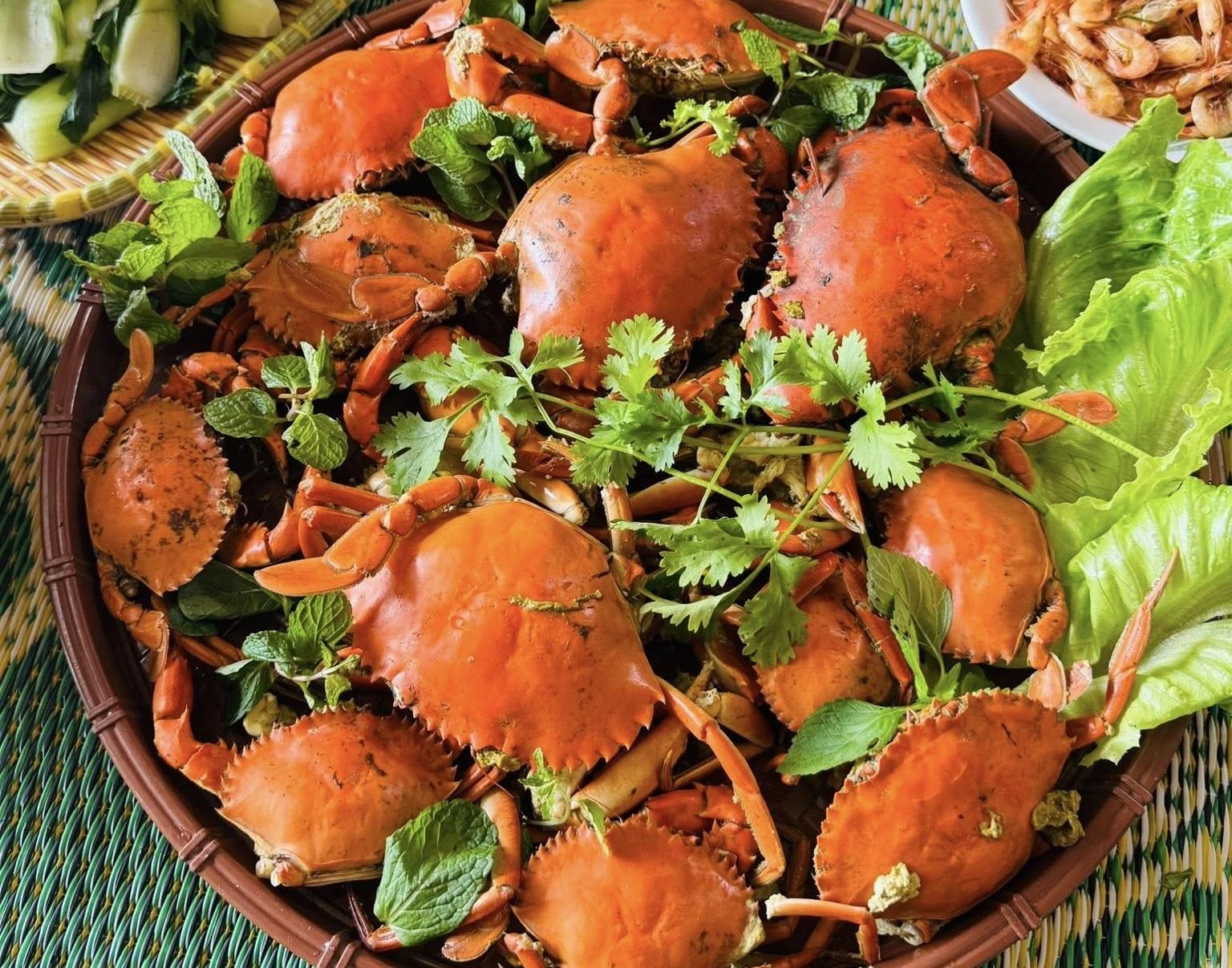 |
Crab and ghe contain many beneficial nutrients, but they can cause coughing in individuals with allergies. *Illustration: Tao Tran* |
Regardless of the cause of your cough, your body expends significant energy, so you need to maintain a complete nutritional diet rather than restricting food excessively. Malnutrition weakens the body, reduces resistance, and prolongs recovery time. You should drink enough water to thin secretions, increase your intake of green vegetables and vitamin C-rich fruits, eat light meals, and get adequate rest.
Patients should limit tobacco, alcohol, overly cold beverages, and foods that easily irritate the throat if they notice these worsen their cough. Maintaining personal hygiene, wearing a mask when outdoors, engaging in appropriate exercise, and getting regular flu vaccine also help reduce the risk of respiratory illnesses.
If your cough lasts longer than two weeks or is accompanied by a fever above 38,5 degrees Celsius, difficulty breathing, wheezing, chest pain, yellow-green sputum, blood-tinged sputum, or weight loss, you should seek medical attention promptly.
Master, Doctor Dang Thanh Do
Respiratory Unit
Tam Anh Cau Giay General Clinic
| Readers can ask questions about respiratory illnesses here for doctors to answer |