Hormones function optimally when the body receives adequate nutrients. Conversely, a prolonged unbalanced diet can disrupt hormone production and regulation. Below are 5 dietary habits that help women maintain healthier hormones.
Eat enough protein
According to the Times of India, protein helps build and maintain muscle mass, providing amino acids—the raw materials for the body to synthesize many hormones. Adequate protein intake also helps control hunger, maintain stable blood sugar, and limit overeating at subsequent meals.
Women should prioritize quality protein sources such as fish, lean meat, eggs, milk, tofu, and legumes. Distribute protein intake evenly across ba main meals instead of concentrating it in one meal for effective absorption. Sedentary adult women need approximately 0,8-1 g of protein per kg of body weight.
Incorporate healthy fats
Fats are an essential component in hormone production, especially estrogen and progesterone. Excessive fat restriction can affect the menstrual cycle and reproductive health. Women should choose unsaturated fats from salmon, mackerel, avocado, nuts, flaxseeds, chia seeds, and olive oil. These foods also help reduce inflammation and support heart health.
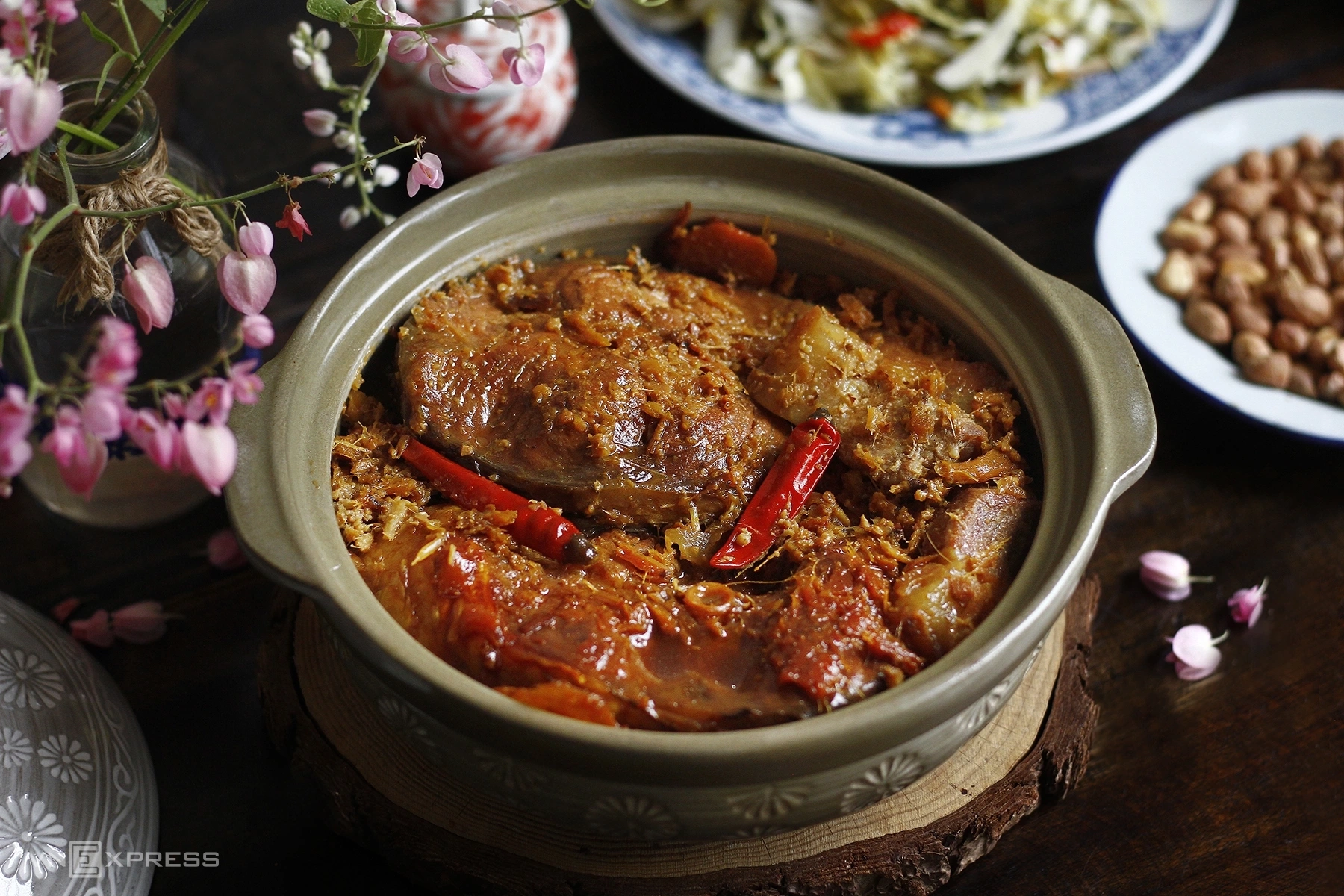 |
Fish contains many nutrients beneficial for women's hormonal health. *Illustration: Bui Thuy*. |
Consume fiber from green vegetables and whole grains
Fiber plays an important role in the digestive system and gut microbiome. A healthy gut helps the body metabolize and excrete excess estrogen, maintaining hormone balance.
Fiber also slows the absorption of sugar into the bloodstream, limiting blood sugar fluctuations and reducing the risk of insulin resistance. Women should eat green vegetables, fresh fruit, oats, brown rice, and legumes to provide sufficient fiber for the body, according to Eating Well.
Limit added sugar and processed foods
Consuming many sweets, soft drinks, milk tea, or processed foods can cause blood sugar to rise quickly. In response, the body must secrete more insulin to transport sugar from the blood into cells. If this situation persists, the risk of insulin resistance increases, affecting the function of many other hormones. Women should prioritize fresh foods to provide vitamins, minerals, and beneficial compounds for hormonal health.
Eat on time, avoid skipping meals
The habit of frequently skipping meals or eating irregularly can cause significant blood sugar fluctuations, increasing hunger and leading to overeating later in the day. Maintaining regular meal times helps the body establish a stable circadian rhythm, supporting insulin and hormone regulation.
Le Nguyen (Compiled)
| Readers can submit questions about pregnancy and childbirth here for a doctor's answers |