A young man in his 30s was rushed to Quan Y 175 Hospital in a coma, paralyzed on one side of his body. His blood pressure upon admission was 190/110 mmHg. His family could not believe it because he had been working normally, never complained of headaches or dizziness, and had never had a health check-up.
Doctor Hoang Tien Trong Nghia, Head of the Neurology Department at Quan Y 175 Hospital, stated that this is not an isolated case. Many young patients only discover they have hypertension after suffering a stroke. The reason is that the disease progresses silently, causing almost no symptoms, leading many to be complacent, believing they are still young and healthy.
Each year, Vietnam records about 200,000 stroke cases, and the trend is increasingly affecting younger individuals. At many major stroke centers, patients under 45 years old account for about 10-15% of total cases, and this percentage continues to rise annually. The average age of stroke patients in Vietnam is about 62, nearly 10 years younger than in many other countries. Worryingly, most young patients are in their working age and are the main providers for their families. If they survive, many suffer sequelae such as paralysis, speech disorders, memory impairment, and even loss of ability to work.
According to Doctor Nghia, among the risk factors, hypertension ranks first. Approximately 78% of stroke cases are related to hypertension. Specifically for cerebral hemorrhage - a severe form of stroke with a high mortality rate - hypertension is the cause in 80-85% of cases. The danger is that the disease shows almost no warning signs. Many people believe high blood pressure must cause headaches, dizziness, or flushed faces. In reality, some people have blood pressure above 180, even over 200 mmHg, yet live normally. Therefore, hypertension is known as the "silent killer".
Prolonged high blood pressure causes blood vessel walls to harden and narrow, increasing the risk of cerebral infarction. It also weakens vessel walls, which can rupture unexpectedly, leading to cerebral hemorrhage. In Vietnam, young people suffering cerebral hemorrhage due to uncontrolled hypertension still account for a high proportion and often experience severe progression.
According to the Vietnam Heart Association, one in four people aged 25-49 has hypertension, indicating that the disease is common even in an age group many still consider "immune to illness".
The primary reason many young people are unaware of their hypertension is complacency. Many believe cardiovascular diseases only affect older adults, so they never measure their blood pressure or undergo regular health check-ups. Meanwhile, staying up late, stress, high salt intake, excessive alcohol consumption, smoking, overuse of coffee and energy drinks, physical inactivity, and being overweight all contribute to early increases in blood pressure. Even after being diagnosed, many young people arbitrarily stop taking medication because they feel normal.
"Hypertension medication helps control blood pressure but does not cure the disease. If you arbitrarily stop taking medication, blood pressure will rise again, and the risk of stroke remains", the doctor said.
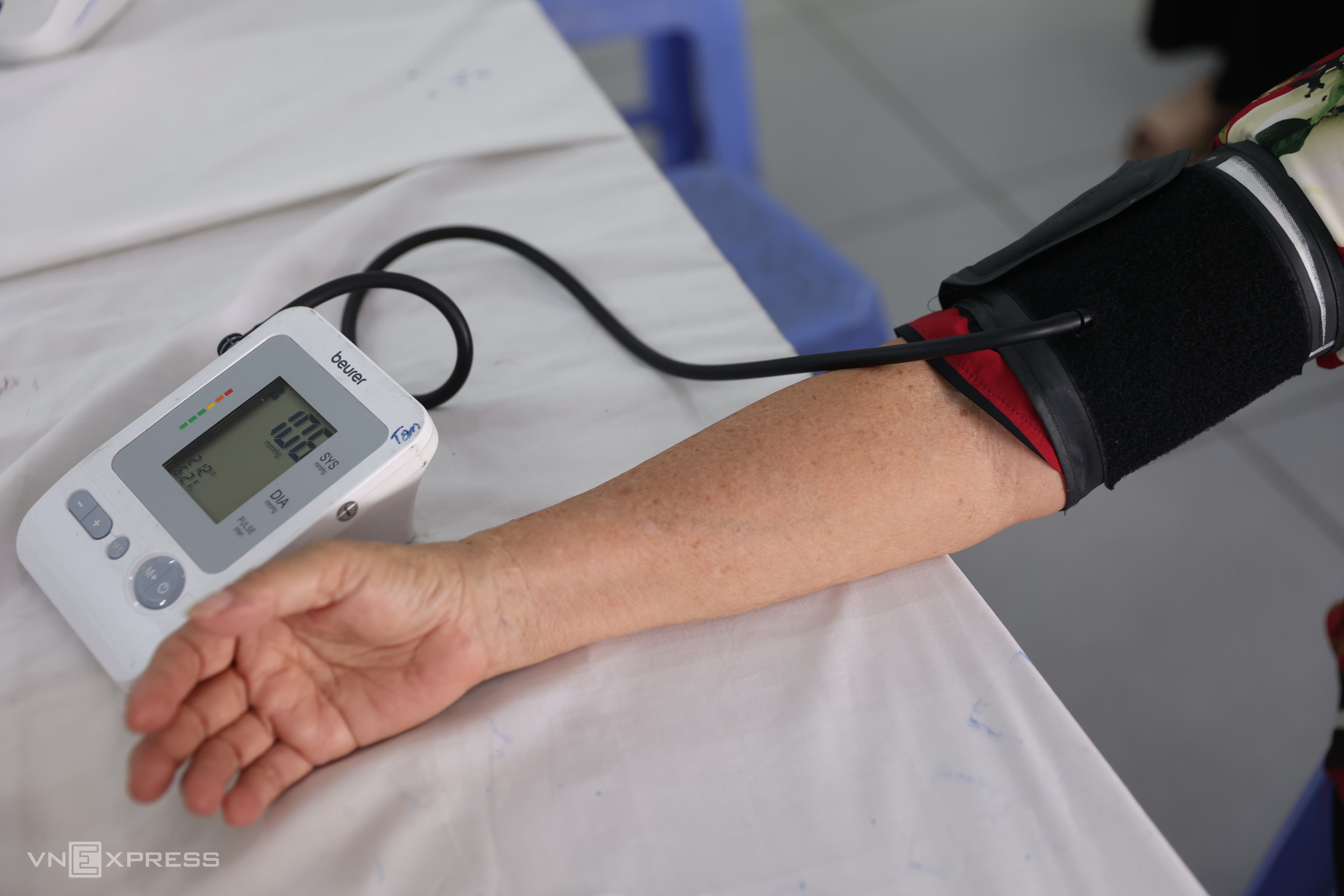 |
Measuring a patient's blood pressure. Photo: Quynh Tran |
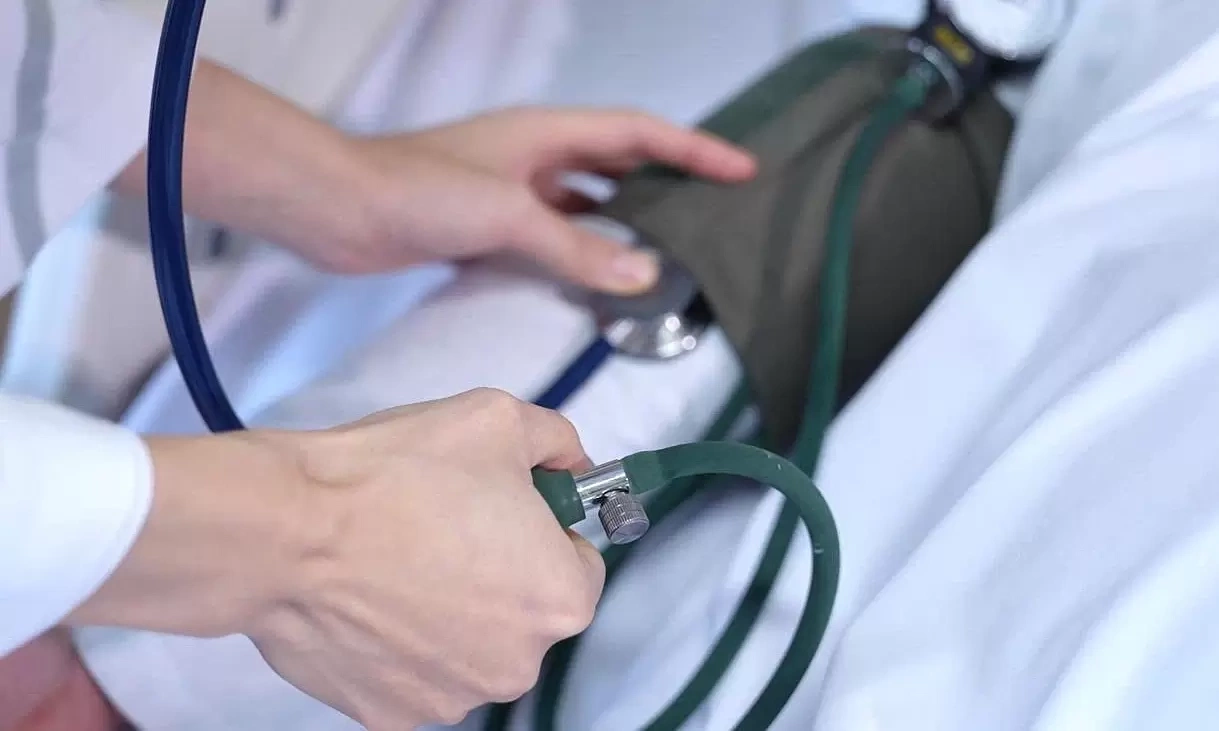
Since hypertension cannot be detected by sensation, the only way to identify it is by measuring blood pressure. This takes only about two minutes and can be done at home, at a pharmacy, or at a health clinic. Blood pressure below 120/80 mmHg is optimal; from 120-139/80-89 mmHg requires lifestyle adjustments and monitoring; from 140/90 mmHg or higher (over multiple measurements) requires a medical examination for diagnosis and treatment.
Adults should measure their blood pressure at least once a year. Individuals with a family history of hypertension or stroke, who are overweight, smoke, drink heavily, need more frequent checks. Some cases may require 24-hour continuous blood pressure monitoring to rule out "white coat hypertension".
Everyone should also remember the signs of stroke using the F.A.S.T rule, which includes: F (facial drooping), A (arm weakness or numbness on one side), S (speech difficulty, slurred speech), T (time to call 115 and take the patient to a stroke treatment facility as soon as possible). Some guidelines supplement this with the BE FAST rule, adding signs of sudden loss of balance and vision impairment. Stroke has a "golden hour" for treatment; the sooner a patient arrives at the hospital, the higher the chance of recovery. Absolutely do not perform traditional remedies like coin rubbing, finger pricking, or wait for the patient to regain consciousness on their own.
Approximately 90% of stroke cases are linked to controllable risk factors, with hypertension being the most critical. Doctors recommend regular blood pressure measurements, blood sugar and blood fat control, reduced salt intake, eating plenty of fruits and vegetables, exercising at least 150 minutes each week, quitting smoking, limiting alcohol, getting enough sleep, and managing stress. Individuals diagnosed with hypertension must take medication regularly as prescribed and attend follow-up appointments, never stopping medication on their own.
Le Phuong