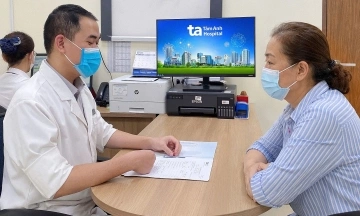
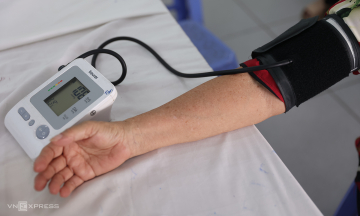
Hypertension is a condition where the pressure of blood against artery walls is consistently elevated. The condition is diagnosed when readings are 140/90 mmHg or higher. It is often called a "silent killer" for the following reasons.
Lack of clear symptoms
According to Times of India, hypertension often causes no clear symptoms. Many individuals live and work normally even with elevated blood pressure for extended periods. Some may experience headaches, dizziness, or fatigue, but these symptoms are not specific and are easily mistaken for stress or lack of sleep.
Due to the lack of distinct warning signs, many only discover the condition during routine health check-ups or after serious complications have developed.
 |
Everyone should regularly check their blood pressure to protect their health. Illustration: Benh vien Da khoa Tam Anh. |
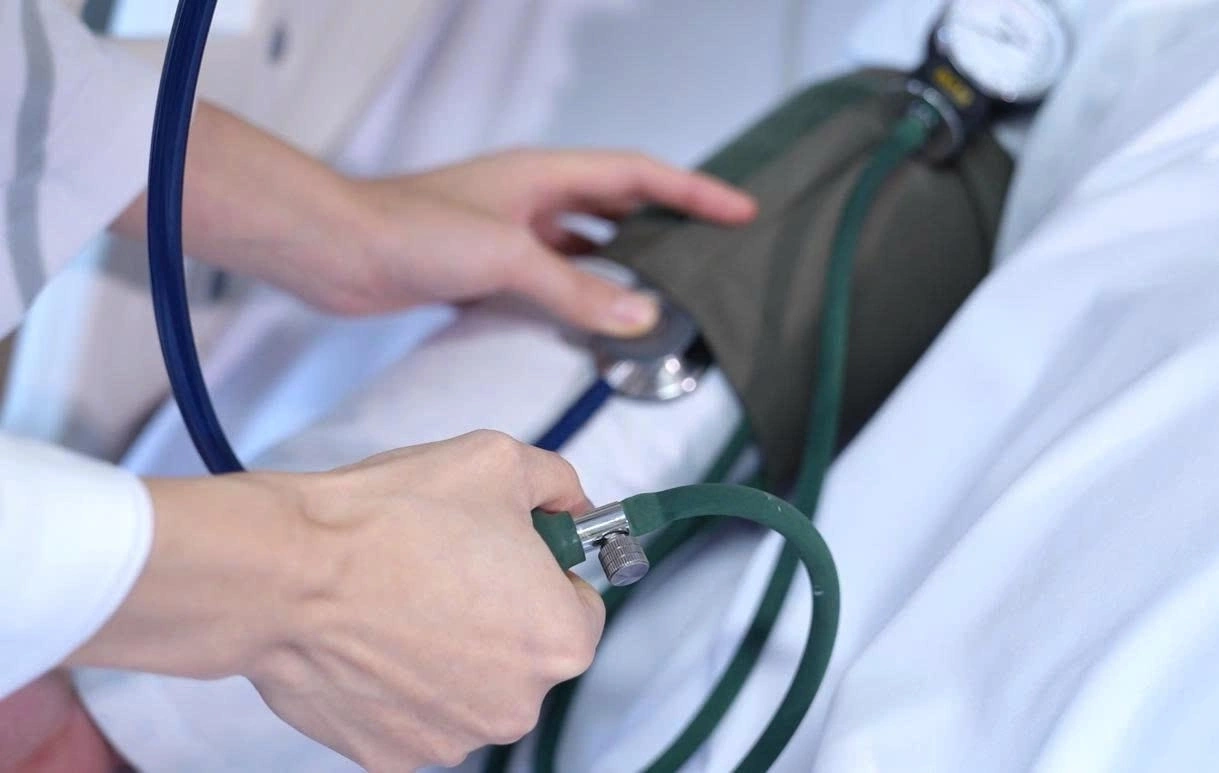
Everyone should regularly check their blood pressure to protect their health. Illustration: Benh vien Da khoa Tam Anh.
Silently damaging blood vessels
When blood pressure is consistently high, blood flow continuously exerts strong force on artery walls. Over time, blood vessels harden, lose elasticity, and become prone to damage. To withstand this pressure, vessel walls may thicken or narrow, impeding blood flow. This process occurs silently, so patients often notice no signs, according to WebMD.
Increased risk of dangerous cardiovascular events
Besides affecting blood vessels, high blood pressure forces the heart to work harder to pump blood throughout the body. This prolonged condition burdens the heart, increasing the risk of cardiovascular disease. When blood flow to the heart or brain is hindered by narrowed or blocked vessels, patients can experience critical events like myocardial infarction or stroke. If the heart works excessively for many years, the heart muscle can weaken, reducing its pumping ability and leading to heart failure.
Many believe hypertension only affects older individuals, but it can also occur in young people. Habits such as high salt intake, being overweight, sedentary lifestyle, chronic stress, smoking, excessive alcohol consumption, or a family history of the condition all raise the risk of high blood pressure. Early detection and lifestyle changes are crucial for preventing long-term complications.
Regular blood pressure monitoring helps early detection, treatment tracking, and proactive lifestyle adjustments to protect cardiovascular health.
Le Nguyen (compiled)
| Readers can send questions about cardiovascular disease here for doctors to answer |