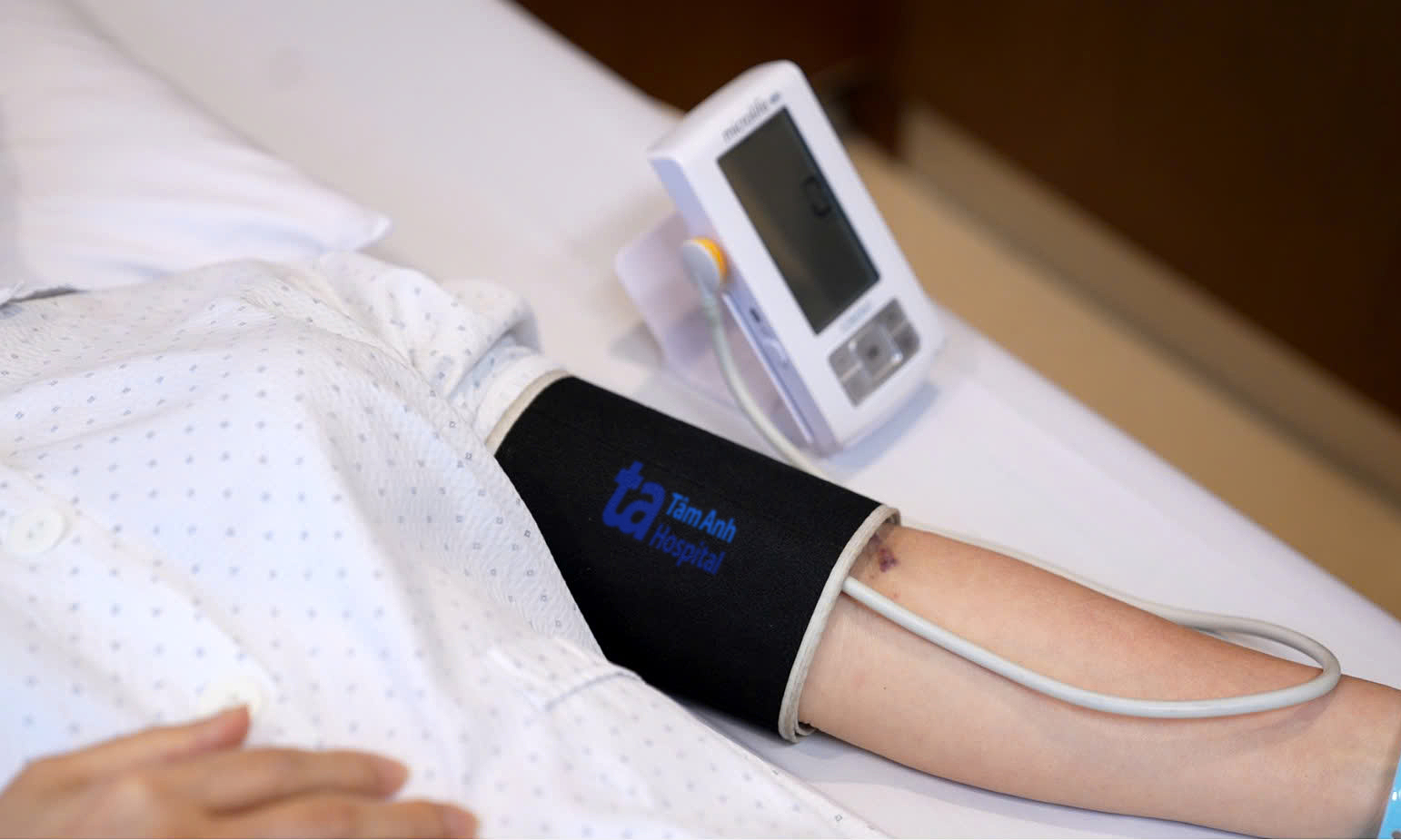
Terminal cancer refers to advanced-stage cancer where tumors have spread extensively to various body parts, making curative treatment no longer possible. In this stage, the disease often causes severe or persistent dull pain due to metastatic tumors compressing nerves or destroying bone structures, leading to inflammatory reactions and stimulating pain receptors. This pain restricts mobility, impacting patients' ability to care for themselves, often resulting in difficulty sleeping, poor appetite, and rapid health decline.
Master of Science, Doctor Vuong Ngoc Duong, Deputy Head of the Radiation Therapy Department at Tam Anh General Hospital, Hanoi, stated that pain control is a primary goal in cancer treatment, not just for terminal cancer. Doctors prescribe palliative radiation therapy when the pain's cause is identified as one or more lesions responsive to radiation. High-energy radiation targets and destroys cancer cells, shrinking metastatic tumors that invade bones and the spine, thereby reducing compression and nerve stimulation.
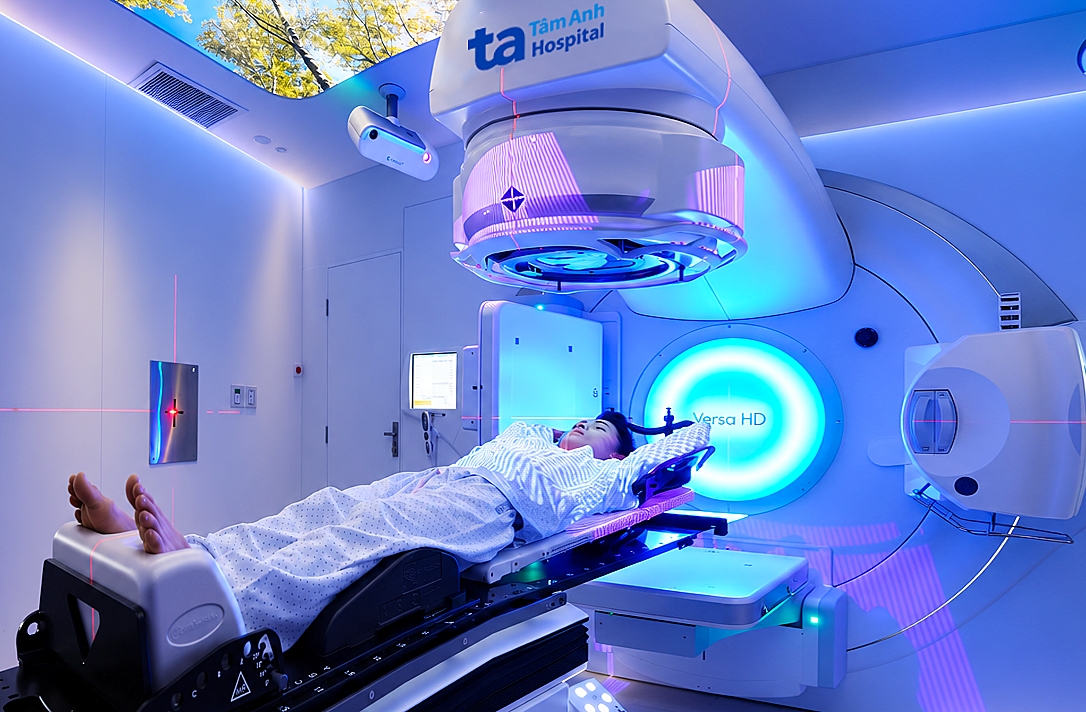 |
Palliative radiation therapy for cancer patients. *Photo: Tam Anh General Hospital*
Doctor Duong explained that radiation therapy does not provide immediate pain relief; it takes time for tumors to necrotize and gradually regress, typically several weeks. Therefore, patients still need to combine it with prescribed pain medications for maximum symptom control. While palliative radiation therapy does not aim to completely destroy cancerous tumors, it significantly improves patients' quality of life by substantially reducing pain scores, leading to better sleep and appetite, restoring mobility, and extending the time they can care for themselves and participate in family activities.
Before radiation therapy, patients undergo a comprehensive evaluation, including a clinical examination and pain scoring. Imaging results such as: magnetic resonance imaging (mri), computed tomography (ct), and positron emission tomography (pet/ct) are used to identify the target lesions for radiation. Depending on their condition and circumstances, patients receive radiation therapy over approximately 5-10 sessions. Each session lasts about 30 minutes, with most of that time dedicated to patient positioning; the actual beam delivery takes only about 2-3 minutes. After radiation, patients are monitored for about 30 minutes and can go home if no complications are detected, without needing hospitalization.
Doctor Duong recommends that terminal cancer patients seek hospitals with specialized oncology and radiation therapy units for comprehensive evaluation and appropriate treatment. High-tech radiation therapy methods can help reduce toxicity to surrounding healthy tissue, alleviate pain, and minimize complications or side effects compared to traditional palliative radiation.
Thanh Long
| Readers can ask questions about cancer here for doctors to answer. |