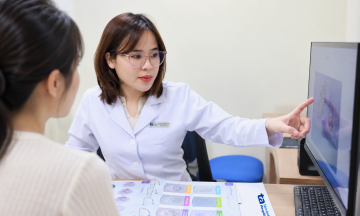
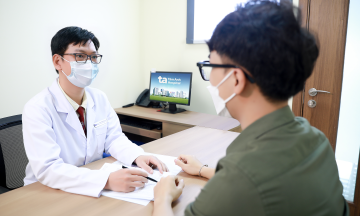
According to statistics from the Vietnam Association of Osteoporosis and Bone Diseases, approximately 60% of individuals over 65 years old and 85% of those over 80 years old suffer from osteoarthritis. Doctor Hoang Quyet Tien, from the Medical Information Center at Tam Anh General Hospital, Ho Chi Minh City, notes that older adults often hesitate to seek medical attention or bother their children and grandchildren. Many cases are only examined when joint inflammation and osteoarthritis have advanced significantly. Ignoring risk factors and concealing symptoms can lead to complex musculoskeletal conditions such as joint deformities, muscle atrophy, and joint effusion, making treatment difficult and increasing the risk of disability.
Doctor Tien suggests several factors and signs that can help identify potential musculoskeletal problems in older adults.
Changes in movement and posture
The body and certain habits reveal an older adult's health status through subtle details. These include significantly slower steps, a slight limp, uneven strides, or a tendency to lean to one side to reduce pressure on a painful joint. When standing up, they may need to find support, using both hands to push strongly against their thighs, grasping a chair back or table edge to rise. The inability to maintain a naturally straight back as before, with a tendency to lean slightly forward while walking, indicates weakening bones and joints.
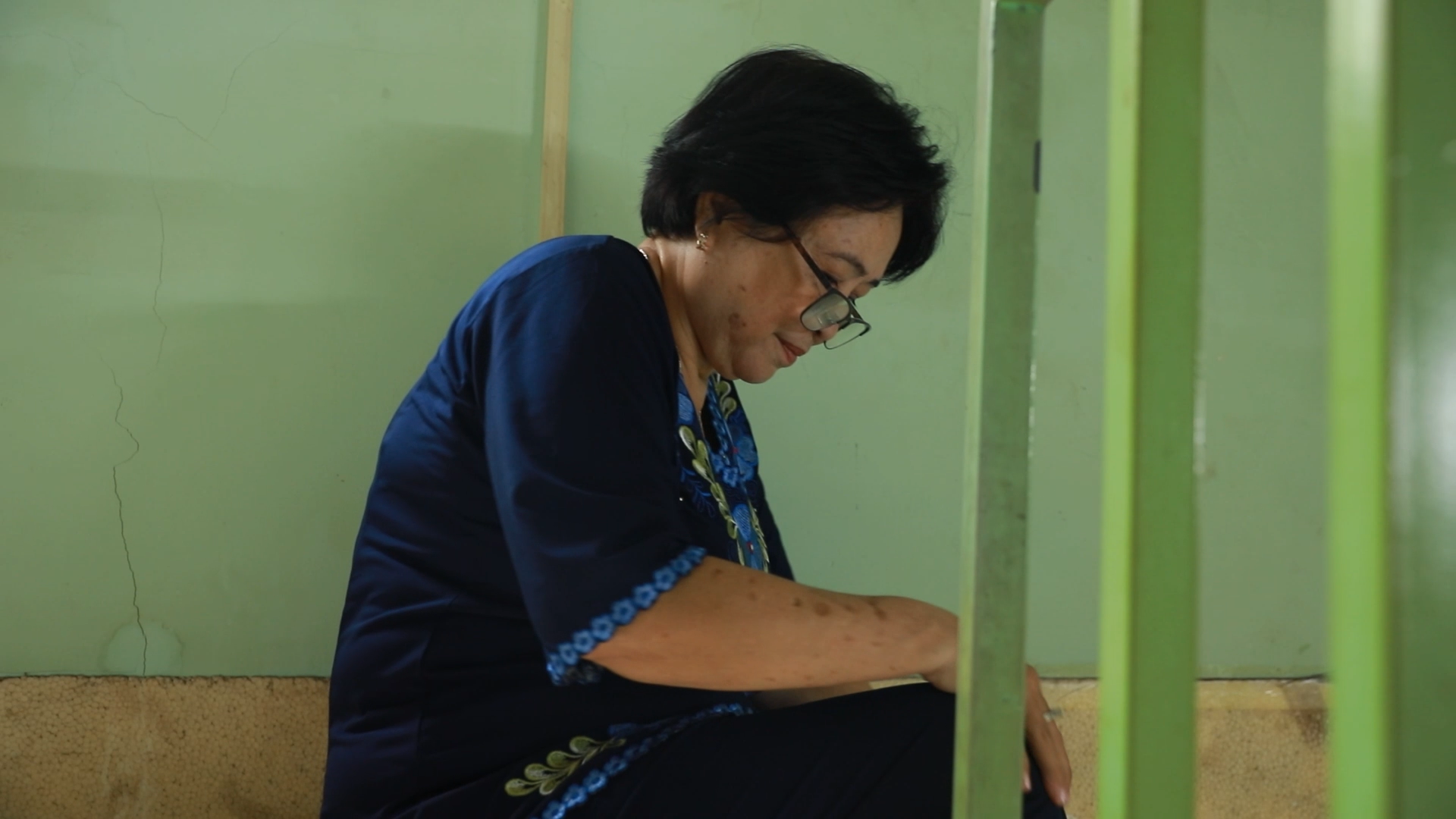 |
Older adults often suffer from musculoskeletal conditions causing aches, pains, and difficulty walking. Photo: Eco Pharmaceuticals |
Reduced range of motion
From ages 60 to 70, osteoarthritis, spinal spurs, or degenerative disc disease become more pronounced. Pain becomes persistent, directly impacting the range and ability of movement.
Degenerative bone and joint conditions and arthritis reduce the range of motion in all joints, including the shoulder, knee, neck, and finger joints. For example, when experiencing pain from shoulder periarthritis or shoulder stiffness, a patient cannot lift their arm to comb their hair, reach for objects overhead, or reach behind their back to scratch or fasten a bra strap.
Similarly, the natural hip joint axis allows for flexible rotation, bringing the thigh close to the abdomen and taking long strides. However, when experiencing pain, the gait often becomes limping with short steps due to the inability to fully extend or rotate the hip. Actions such as bending down to tie shoelaces, trim toenails, or getting onto a moto become very challenging.
Normally, fingers can clench tightly to form a complete fist, and wrists can flex and extend flexibly. When affected by rheumatoid arthritis or osteoarthritis of the fingers, the hand cannot grasp tightly, cannot twist bottle caps, and finds it difficult to hold a spoon or write due to pain and joint stiffness, especially in the morning.
Changes in daily habits
An older adult suddenly stopping previously enjoyed activities such as morning walks, gardening, holding grandchildren, or visiting temples is also a sign of declining health. Many people find objects to prop their feet, add extra cushions to their lower back when sitting, or keep hot oil or pain relief patches ready by their bedside. Tossing and turning continuously at night or waking earlier than usual also signals dull aches and pains during rain or cold weather at night.
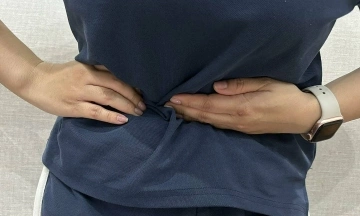
Many people with chronic musculoskeletal pain frequently massage their lower back, knees, shoulders, and neck while watching tivi or chatting. Persistent pain leads to mental fatigue, easily resulting in mild irritability or withdrawal and less talkativeness than usual.
Doctor Tien states that osteoarthritis is a natural, unavoidable aging process that cannot be cured. Individuals who have performed manual labor, worked in agriculture, frequently carried heavy loads, stood for long periods, or repeatedly bent over may experience faster cartilage wear, increasing the risk of spinal damage, knee osteoarthritis, and herniated discs.
People in sedentary occupations, who sit in one position for too long, or maintain fixed, repetitive work postures such as office workers, drivers, teachers, and tailors, are also prone to cervical spondylosis, neck and shoulder pain, and carpal tunnel syndrome. Long-term homemakers who frequently squat to wash clothes, clean floors, and climb stairs are susceptible to patellar cartilage damage and knee osteoarthritis.
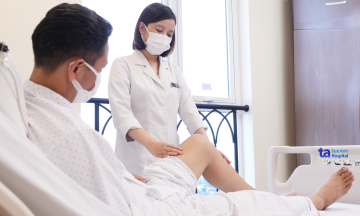
Doctor Tien recommends that when unusual changes are observed in older family members, they should be encouraged or actively taken for regular musculoskeletal health check-ups. Additionally, older adults need proactive care with appropriate nutrition and rehabilitation exercises. Supplementing with nutrients that protect joint cartilage, such as: undenatured type two collagen, hydrolyzed collagen peptide, eggshell membrane, turmeric root extract, and chondroitin sulfate, supports increased joint flexibility, contributes to cartilage regeneration, reduces inflammation, and slows the progression of osteoarthritis.
Thai Thanh