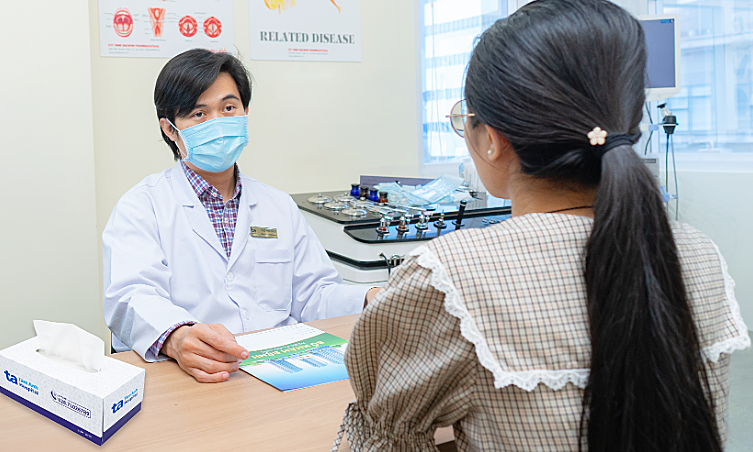
Doctor Pham Duc Long, a specialist in emergency medicine at Tam Anh District 7 General Clinic, reported that the patient had an elevated D-dimer level of 8,87 µg/mL, which is 18 times higher than the normal threshold (< 0,5 µg/mL). A computed tomography scan using the Triple Rule Out technique (simultaneously evaluating coronary arteries, aorta, and pulmonary arteries) found no atherosclerotic lesions causing narrowing in the coronary artery system. The CT images revealed blood clots in two main branches of the pulmonary artery and its sub-branches.
 |
The Triple Rule Out technique, performed with the support of the Somatom Force VB30 CT system, detected blood clots in multiple branches of the pulmonary artery (circled in red). Photo: Tam Anh General Hospital |
The Triple Rule Out technique, performed with the support of the Somatom Force VB30 CT system, detected blood clots in multiple branches of the pulmonary artery (circled in red). Photo: Tam Anh General Hospital
Doctor Long explained that the Triple Rule Out technique is often used for patients presenting with atypical shortness of breath and chest pain. This method allows for quickly ruling out dangerous causes such as myocardial infarction, aortic dissection, and detecting pulmonary embolism for appropriate intervention.
Doctors diagnosed Ms. Tuyet with acute pulmonary embolism. This condition occurs when blood clots (often originating in the venous system) travel through the bloodstream to the lungs, obstructing the pulmonary arteries. When blood flow to the lungs is obstructed, it impacts oxygen exchange, leading to common symptoms like shortness of breath, breathlessness, and unusual fatigue. In severe cases, the disease can cause respiratory failure, hemodynamic instability, and even sudden death.
According to Doctor Long, pulmonary embolism symptoms are not overtly apparent, making them easily mistaken for common respiratory illnesses. Many people only experience mild shortness of breath and persistent fatigue, especially older individuals who often have multiple underlying medical conditions, similar to Ms. Tuyet.
The patient was transferred to Tam Anh General Hospital TP HCM for treatment. Master of Science, Doctor Tran Huu Danh, from the Department of Cardiology, Cardiovascular Center, reported that the patient suffered from severe fatigue, speaking in broken sentences, and coughing. She had no risk factors for blood clots and did not have hypercoagulation syndrome. Doctors prescribed a combination therapy including anticoagulants to prevent further clot formation, antibiotics for pneumonia, and intensive treatment for underlying conditions such as hypertension, diabetes, and dyslipidemia. Ms. Tuyet's cough reduced, her exercise tolerance improved, and she was discharged after 10 days.
 |
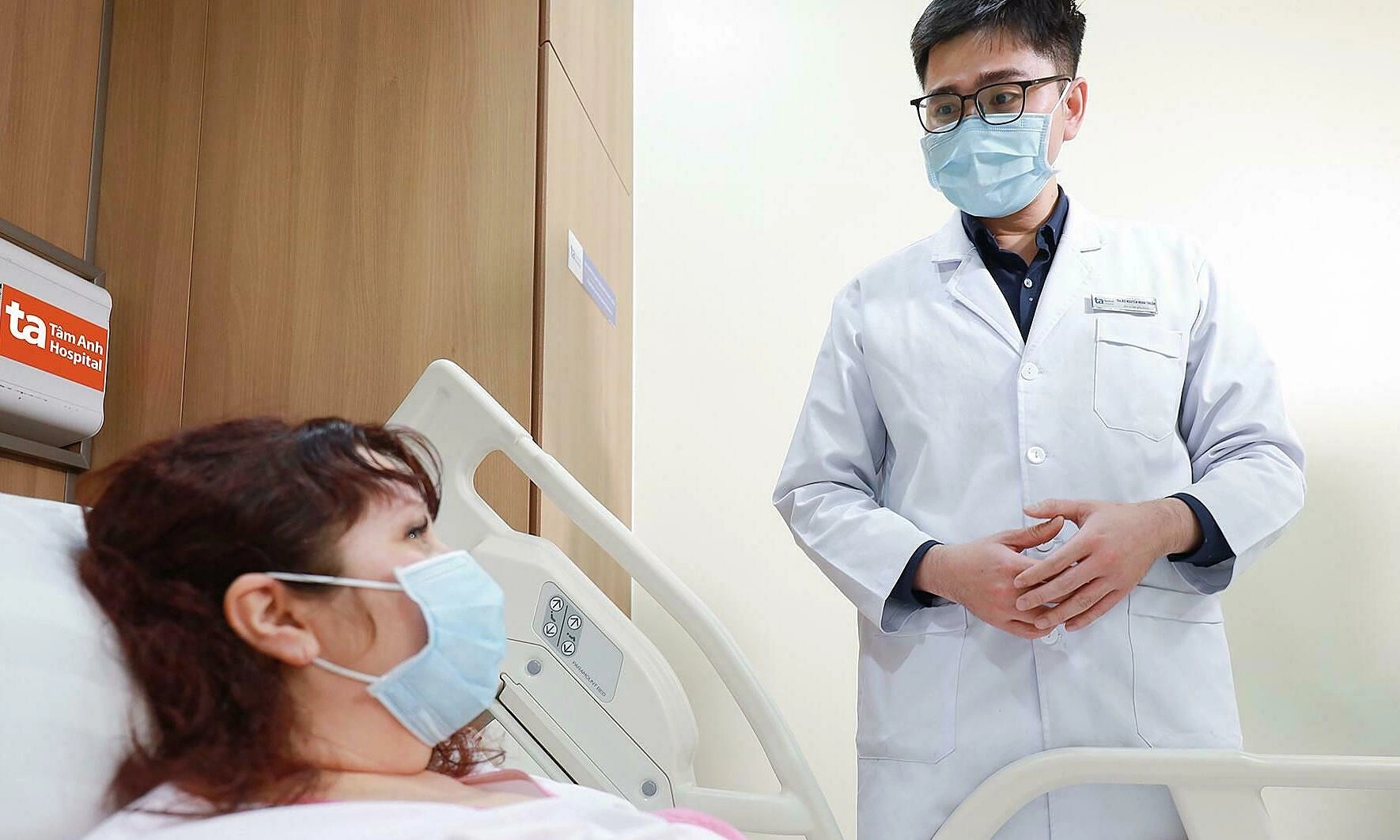
Ms. Tuyet's health stabilized, and her shortness of breath and difficulty breathing improved. Photo: Tam Anh General Hospital |
Ms. Tuyet's health stabilized, and her shortness of breath and difficulty breathing improved. Photo: Tam Anh General Hospital
Doctor Danh stated that pulmonary embolism carries a risk of sudden death if not detected promptly. However, the condition can be controlled with early diagnosis and correct treatment. Doctors advise patients to seek medical attention immediately if they experience persistent shortness of breath, unusual fatigue, or breathlessness during daily activities to determine the cause.
Individuals with risk factors such as a history of surgery, particularly gynecological, pelvic, and leg surgery, prolonged immobility after an operation, lower limb varicose veins, pregnancy or within 6 weeks postpartum, antiphospholipid antibody syndrome, or long-term smoking should undergo regular health check-ups.
Nhat Thanh - Thu Ha
*Patient's name has been changed
| Readers can submit questions about cardiovascular health here for doctors to answer. |