The airways are directly exposed to air daily, making them susceptible to dust, chemicals, and various lifestyle factors. Certain recurring habits can easily irritate the respiratory tract.
Drinking too little water
According to Times of India, insufficient water intake can lead to dry mouth and throat, especially when spending long periods in air-conditioned rooms or in hot weather. Instead of waiting until thirsty, adults should drink water regularly throughout the day, needing about two liters daily. This amount can vary based on activity level, weather, and health status.
 |
Adequate hydration helps maintain airway moisture, preventing dryness and discomfort. *Photo: Le Nguyen* |
Prolonged inactivity
Sitting for long periods and lacking physical activity does not directly damage the airways but can impact physical fitness and exertion capacity. When the body is inactive, some people may tire quickly or experience shortness of breath during activities requiring more effort.
Individuals should maintain moderate activities like walking, cycling, or light exercises to build stamina. New exercisers should start at low intensity and gradually increase it, rather than overexerting themselves initially.
Lying down immediately after eating
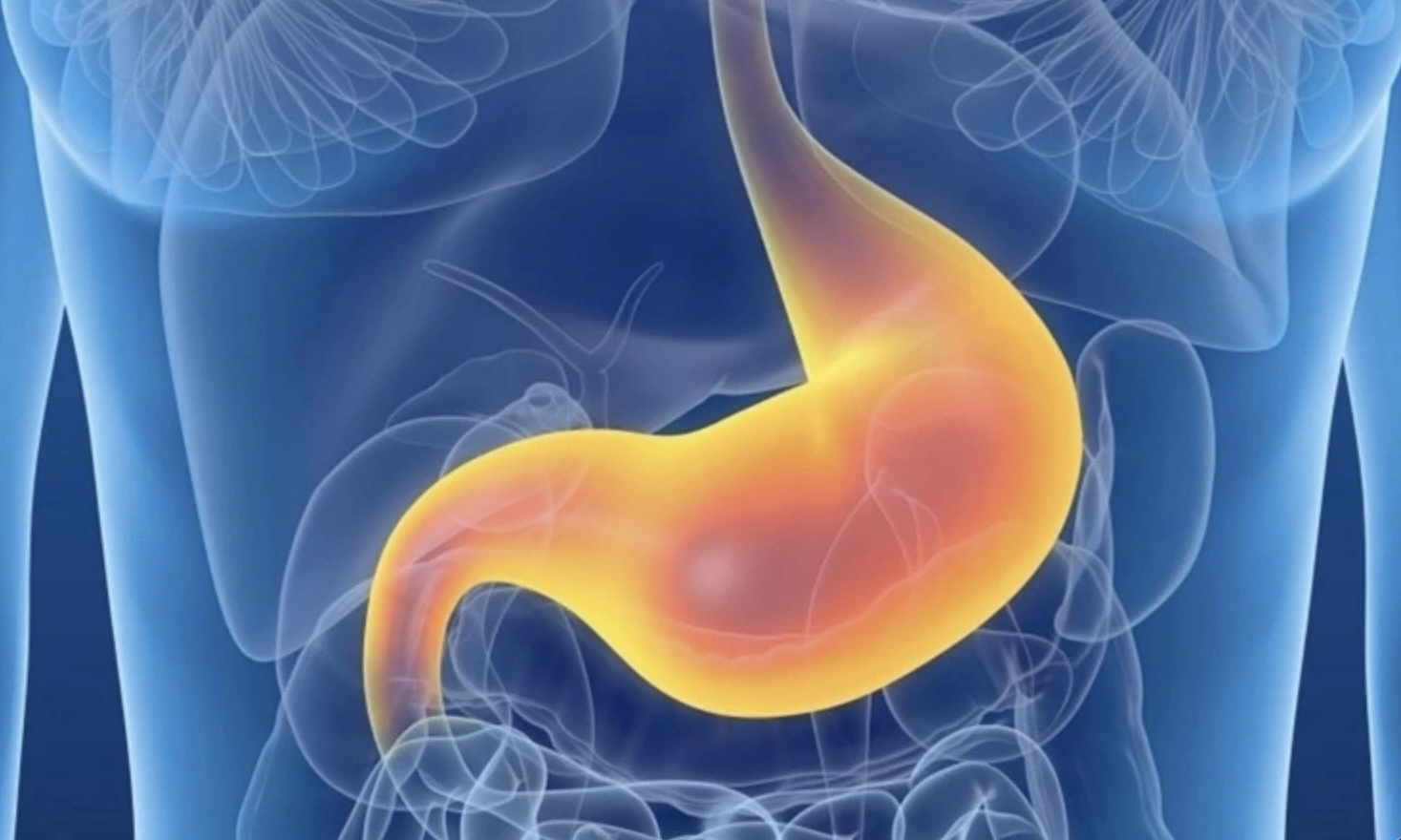
Lying down right after a meal can cause stomach acid to reflux into the esophagus and throat. This condition often leads to heartburn, hoarseness, coughing, or a sensation of a lump in the throat, especially at night.
To mitigate this, you should take time to rest after eating instead of lying down immediately. Dinner should also conclude about two to three hours before bedtime, particularly for those who frequently experience reflux.
Frequent mouth breathing
When breathing through the nose, air is filtered, warmed, and humidified before reaching the respiratory tract. Frequent mouth breathing, especially during sleep, allows air to enter the throat directly, often causing dry mouth, dry throat, and discomfort.
This habit can be linked to nasal congestion, allergies, or other upper respiratory issues. If you frequently breathe through your mouth, especially during sleep, you should see a doctor to determine the cause rather than just trying to change your breathing method, according to Very Well Health.
Frequent handwashing, appropriate vaccines, and adequate sleep help reduce the risk of respiratory infections. If you experience a persistent cough, shortness of breath, or wheezing, you should see a doctor to identify the cause.
Le Nguyen (Compiled)
| Readers can submit questions about respiratory illnesses here for doctors to answer. |