Dr. Le Duc Phuc, a specialist in andrology at Military Central Hospital 108, notes that many men often wonder about the origin of sperm and the time required for recovery when semen analysis results are suboptimal. These are common questions in andrology. Understanding the sperm formation process helps men proactively manage their reproductive health and prepare for fatherhood.
Testicles: the "factory" for sperm production
Sperm production occurs in the testicles, which contain hundreds of coiled seminiferous tubules. These tubules function as a "factory" where germ cells divide and differentiate into mature sperm. In healthy men, this process is continuous. The body can produce approximately 1,000 sperm with each heartbeat, amounting to tens of millions daily.
Recent studies indicate a global decline in sperm quality. Research published in Human Reproduction Update in 2022 revealed that male sperm concentration and total count decreased by about 51,6% between 1973 and 2018. Factors linked to this decline include environmental pollution, chronic stress, smoking, excessive alcohol consumption, obesity, and sedentary lifestyles.
Sperm maturation takes nearly 3 months
Sperm formation is not a short process. It takes approximately 72-74 days for an initial germ cell to develop into a complete sperm. Afterward, sperm move to the epididymis, where they remain for another 10-14 days to fully acquire motility and reproductive function.
The entire cycle of sperm formation and maturation spans about 70-90 days. This duration explains why lifestyle changes or medical treatments typically only show effects on semen analysis results after approximately 3 months.
Unlike many other organs, the testicles are located in the scrotum to maintain a temperature 1-2 degrees Celsius lower than core body temperature. This lower temperature is crucial for normal spermatogenesis. Prolonged elevation of scrotal temperature, caused by factors such as high fever, varicocele, or certain lifestyle habits, can impair sperm production and reduce sperm quality.
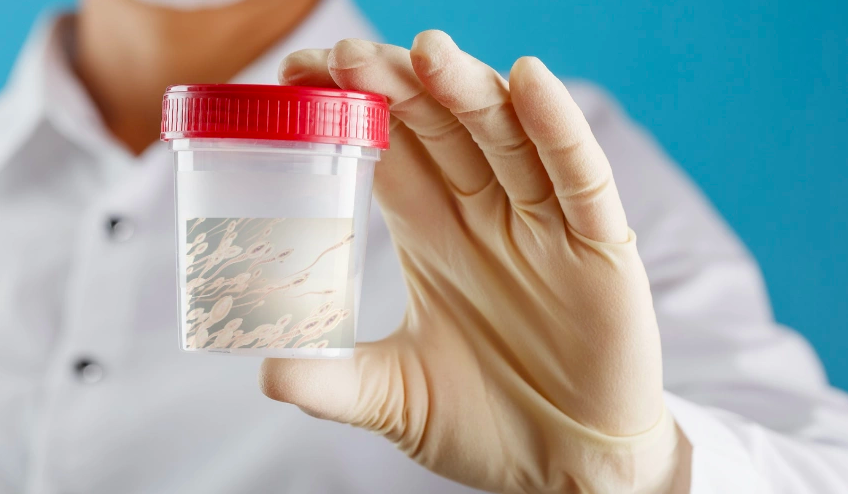 |
Illustration of male sperm. Photo: Yadav Hospital. |
How is semen formed?
During ejaculation, sperm from the epididymis travel through the vas deferens and mix with secretions from accessory glands. Fluid from the seminal vesicles accounts for about 60-70% of semen volume, while prostatic fluid makes up about 20-30%. These components provide energy, protect sperm, and create a favorable environment for sperm motility.
Given the nearly 3-month spermatogenesis cycle, current habits directly impact future sperm quality. To maintain reproductive health, men should avoid smoking and limit alcohol. They should also maintain a healthy weight, exercise regularly, get adequate sleep, and reduce chronic stress. Regular andrological check-ups are advisable, especially if any abnormalities arise. Adherence to a doctor's treatment plan is crucial for those undergoing infertility or subfertility treatment.
Improving sperm quality requires time. In most cases, men should consistently adopt a healthy lifestyle and follow their doctor's guidance for at least 3-6 months to achieve optimal results.
By Le Nga