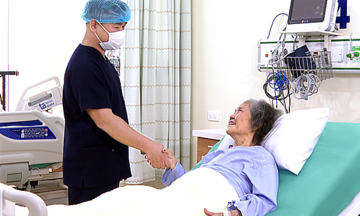
On 19/1, a representative from Da Nang Hospital announced the patient had been discharged after a period of intensive treatment, with stable health, consciousness, and good spontaneous breathing. Before returning home, the family of the South Korean tourist sent a handwritten letter of gratitude to the medical team for their dedicated care, wishing the on-duty staff all the best.
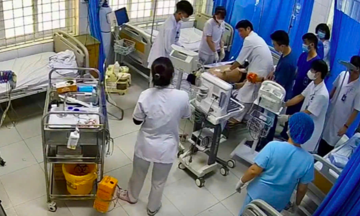
Previously, the patient was admitted to the emergency room in critical condition: severe respiratory failure, deep hypotension, cardiogenic shock, and septic shock. Specialized test results confirmed the patient suffered from rapidly progressing infectious myocarditis, posing an immediate life threat.
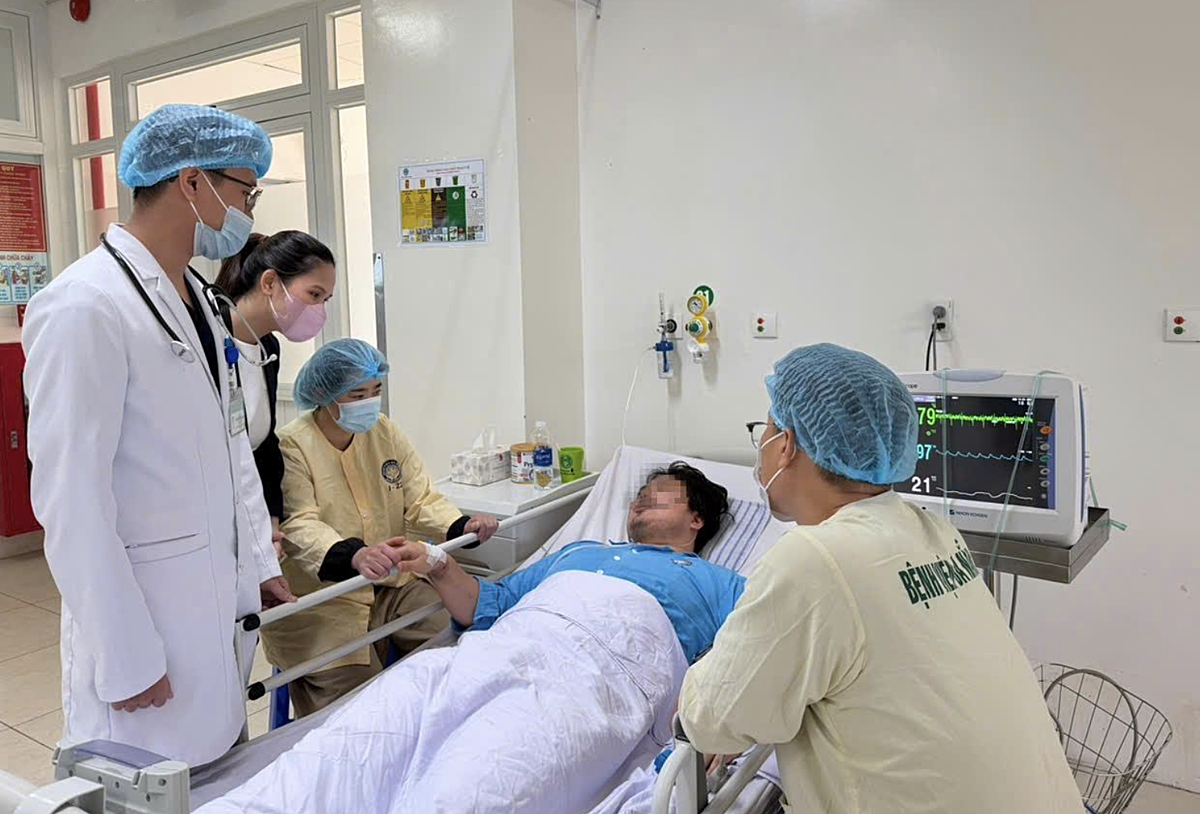 |
Doctors examine the patient. Photo: Thu Phuong |
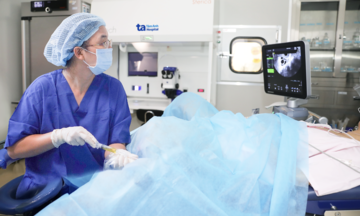
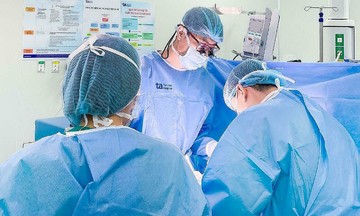
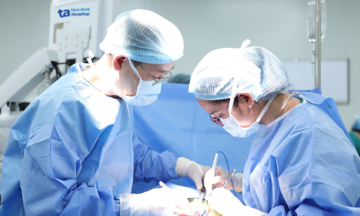
Recognizing the high risk of mortality, the interdisciplinary team decided on emergency venoarterial extracorporeal membrane oxygenation (VA-ECMO) intervention. This technique simultaneously supports heart and lung function, maintaining circulation and blood oxygenation, creating valuable time for the damaged heart muscle to recover.
Master, Doctor Nguyen The Minh Tung, from the Cardiovascular Intensive Care Department, stated that the intervention process faced challenges due to the patient's obesity. Establishing the blood access system (cannula) required precise technique and seamless coordination among the intensive care, anesthesia, and surgical specialties.
Immediately after the ECMO system began operating safely, doctors applied a comprehensive treatment regimen including mechanical ventilation, deep sedation, muscle relaxants combined with antibiotics, continuous hemodialysis, and blood and blood product transfusions. After six days of maximum support from the device, the young man's heart and lung function significantly improved, allowing him to be weaned off the machine. The patient continued to be closely monitored in the intensive care unit until full recovery.
Acute myocarditis is a dangerous condition that can occur in young, healthy individuals after common viral infections. Doctor Tung advised the public to be vigilant for symptoms such as chest pain, progressively increasing shortness of breath, extreme fatigue, or fainting after fever or flu. When infected with a virus, patients need absolute rest, should avoid exertion, get fully vaccinated, and maintain periodic health check-ups to prevent complications.
Nguyen Dong