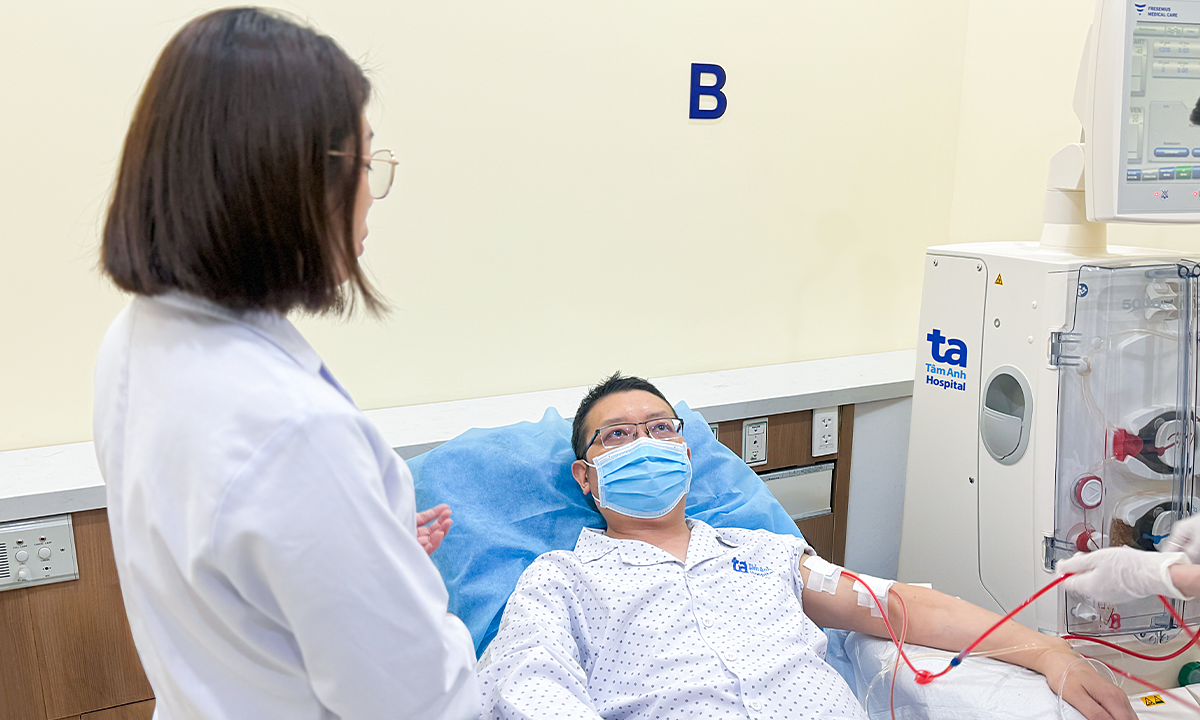
Master, Doctor Phung Van Thao, from the Cardiology Department at Tam Anh General Hospital Hanoi, stated that Ms. Trang's blood pressure dropped below 75/60 mmHg. Doctors prescribed a tilt table test, a method to monitor the body's response, such as blood pressure and heart rate, to changes in posture to determine the cause of syncope.
Initially, in a supine position, the patient's blood pressure was stable at 101/58 mmHg. When the table was elevated to a near-standing position, her blood pressure gradually decreased to 91/57 mmHg. After about 20 minutes, doctors administered medication to activate the autonomic nervous system's reflex. At this point, her blood pressure continued to drop to 87/50 mmHg, and Ms. Trang experienced dizziness, sweating, and then lost consciousness.
During the syncope episode, the monitoring system recorded a transient cardiac arrest of about 5 seconds, causing a sudden reduction in blood flow to the brain. Immediately afterward, the patient was lowered, and timely support was provided.
Doctors concluded Ms. Trang suffered from reflex syncope. This condition occurs when the autonomic nervous system overreacts, causing a drop in blood pressure, potentially accompanied by an abrupt slowing of the heart rate, leading to a temporary reduction in blood flow to the brain and loss of consciousness.
Five years prior, she had fainted once after exercising in hot weather. She attributed it to extreme fatigue and exhaustion, so she did not seek medical attention.
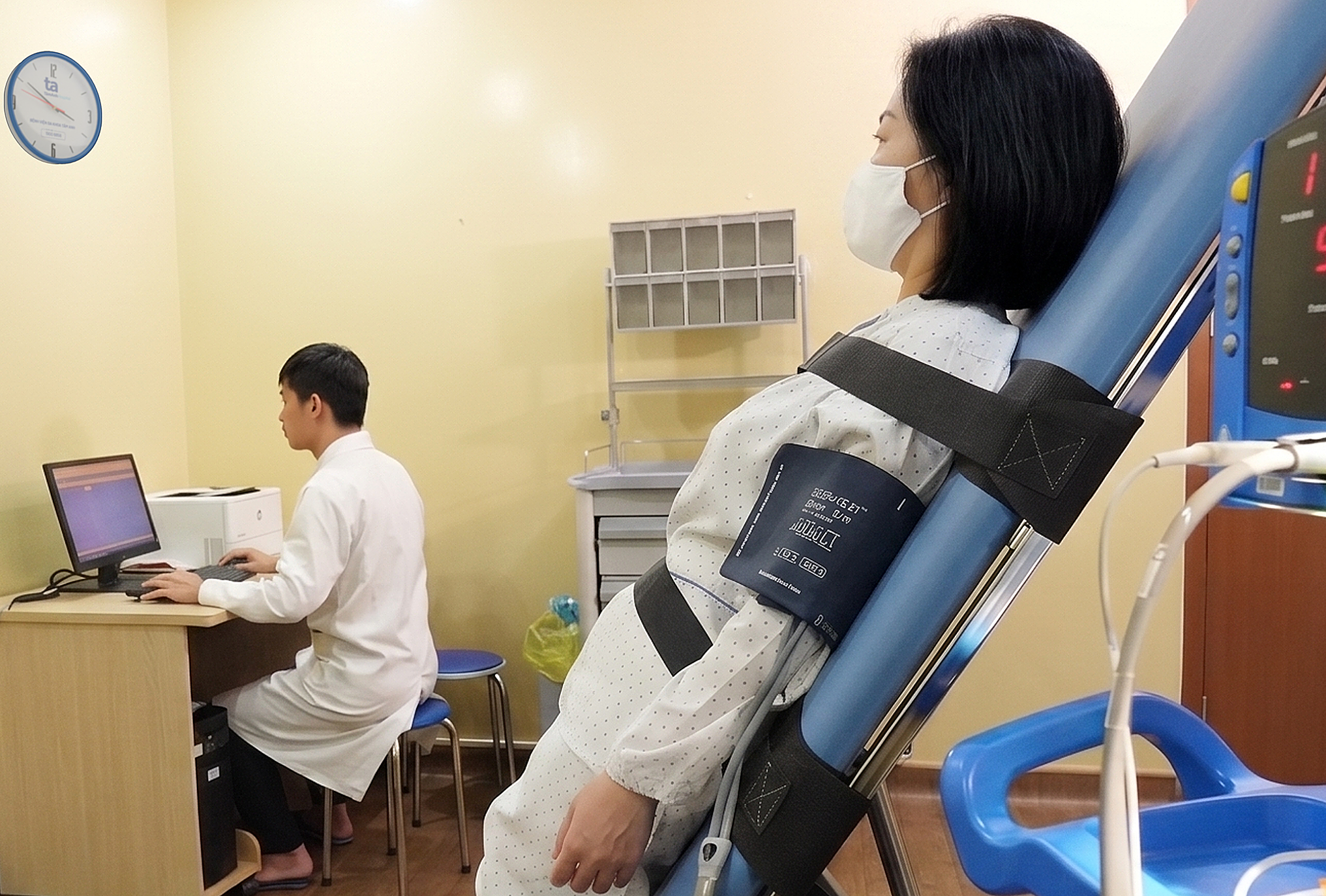 |
The patient was prescribed a tilt table test to find the cause of syncope. *Photo: Tam Anh General Hospital*
According to Doctor Thao, reflex syncope is common and can affect all ages, but it is more frequent in young people, women, or individuals with low blood pressure. Previously, identifying the cause of syncope was challenging as symptoms could be easily confused with epilepsy or heart disease. Now, modern diagnostic techniques like the tilt table test help differentiate reflex syncope from cardiac arrhythmias or neurological conditions.
Ms. Trang does not require medical treatment but needs to focus on lifestyle adjustments to prevent recurrent syncope episodes. Patients should avoid common triggers such as prolonged standing, sudden changes in posture, hot environments, or excessive exertion. Drinking enough water daily, slightly increasing salt intake as advised by a doctor to maintain stable blood pressure, getting sufficient sleep, and limiting prolonged stress are also recommended.
When warning signs appear, such as dizziness, nausea, or sweating, patients should quickly sit or lie down, preferably with elevated legs to increase blood flow back to the heart and brain. Simple actions like crossing legs, tightening thigh and abdominal muscles, or clenching fists can also help temporarily improve blood pressure and prevent progression to a full syncope episode.
In cases of recurrent syncope episodes, patients need to revisit the doctor for monitoring.
Ly Nguyen
*Patient's name has been changed
| Readers can send questions about cardiovascular health here for doctors to answer. |