Associate Professor, Doctor Bui Quang Huy, Head of the Psychiatry Department at Military Hospital 103, shared this case on the sidelines of an international scientific conference on 11-12/12. He noted that the patient confessed to "using physical pain from seeing blood to overwhelm the restlessness and anxiety in her mind".
Because Hoa had her own room, her parents were unaware that she had been self-harming for two years. Only when her frequent irritability and declining academic performance became evident did the family take her to the hospital. Doctors diagnosed the student with severe depression, noting two previous suicide attempts, and immediately admitted her for treatment.
Hoa's case exemplifies a significant "blind spot" in parents' understanding of their children's mental health. A survey from C.S. Mott Children's Hospital at the University of Michigan, US, found that approximately 40% of parents admit struggling to differentiate between normal physiological and psychological changes during puberty and symptoms of depression. This confusion often causes many children to miss the critical window for treatment, leading to a silent worsening of their condition.
 |
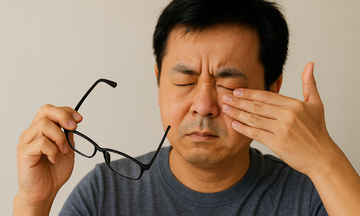
Anh minh hoa: Abetterdaypsychiatry
In Vietnam, Doctor Huy observes a similar trend, with the number of depression cases increasing 2-3 times compared to the previous decade. Many young patients are as young as 11-12 years old. A concerning commonality is that most cases develop over two to three years without intervention, as adults often dismiss them as temporary rebellion.
Depression manifests subtly and differently across genders. In girls, the illness often presents as frequent crying, complaints of headaches or stomach aches, or self-harm as a coping mechanism. Conversely, boys with depression tend towards violent, destructive, or mischievous behaviors. These actions frequently lead to them being labeled "naughty" or "difficult" rather than being recognized as patients needing help.
According to Doctor Huy, the root cause of the illness does not stem from academic pressure or "failed romance", as is commonly misunderstood, but primarily from genetic disorders. These genes, through a complex combined mechanism, are responsible for reducing serotonin neurotransmitter levels in the brain.
"If an individual carries too many disease genes, exceeding a certain threshold, they will develop depression. The more disease genes they carry, the earlier and more severe the depression will be", the doctor explained.
The consequences of delayed identification are profound. The World Health Organization (WHO) reports that approximately 332 million people globally suffer from depression. Alarmingly, suicide has become the third leading cause of death among young people aged 15-29. In Vietnam, many children secretly research death, hoard medicine, or suddenly give away cherished belongings as a silent farewell, unbeknownst to their parents.
To avoid confusing adolescent moodiness with a medical condition, Doctor Huy advises parents to closely observe nine characteristic signs. These include: persistent low mood, loss of interest in activities, weight loss, sleep disturbances, feelings of guilt, and worthlessness. For treatment, selective serotonin reuptake inhibitors (SSRIs) are currently preferred due to their high efficacy and minimal side effects. However, family companionship and supervision in adhering to the treatment regimen are crucial factors in preventing relapse.
The character's name has been changed.
Binh Minh