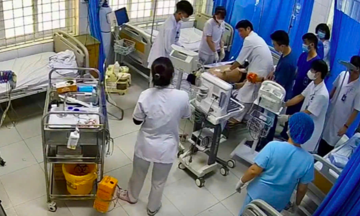
On 23/1, Doctor Trinh Van Son, Head of the Department of Blood-borne Diseases at Military Central Hospital 108, reported that the patient was admitted with a fever of 39-40 degrees Celsius, experiencing flushed skin, chills, and severe fatigue. Laboratory results showed an elevated white blood cell count and swelling and redness on his right wrist. Doctors diagnosed the boy with Sodoku, a dangerous infection caused by bacteria from rats.
Four weeks prior, the patient was bitten on his right wrist by a rat. As the wound was small with minimal bleeding, he lightly rinsed it and did not seek medical attention. One week later, the bite area swelled and reddened but without significant pain, so his family continued to monitor him at home. It was only when he developed a persistent high fever that his family took him to the emergency room.
At the hospital, doctors prescribed specific treatment with cephalosporin antibiotics combined with Doxycycline. After two days of medication, his fever subsided, and the swelling on his wrist disappeared. The boy was discharged after one week of treatment in stable condition.
 |
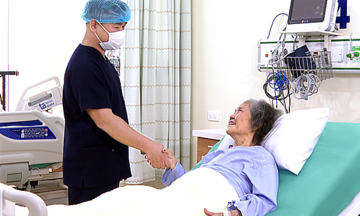
The patient suffering from a dangerous disease caused by a rat bite. Photo: Hospital provided |
Rat-bite fever (RBF) is a rare but risky systemic infection. The disease is primarily transmitted through bites, scratches, or direct contact with bodily fluids like urine and saliva from rodents.
The disease has two main forms caused by two types of bacteria. *Streptobacillus moniliformis* bacteria causes the Haverhill form, prevalent in North America and Europe, with a short incubation period (3-10 days) and symptoms of sudden high fever, migratory joint pain, and rashes on the palms and soles. In Asia, *Spirillum minus* bacteria more commonly causes the Sodoku form. This form has a longer incubation period (one to four weeks), causing high fever, chills, polyarthritis, and rashes.
According to Doctor Son, the dangerous aspect of the disease is that the rat bite wound has often healed, with no swelling or inflammation at the onset of fever. This makes it easy for patients and doctors to overlook the epidemiological factor, leading to a delayed diagnosis. If not treated promptly, patients face the risk of severe complications such as multi-organ failure, septic shock, endocarditis, and meningitis, with a mortality rate of up to 13%. However, the disease responds well to antibiotics like Penicillin or Doxycycline if detected early.
Doctors advise people who have been bitten by a rat to immediately wash the wound with soap under clean running water for at least 15 minutes, then apply a specialized antiseptic. Patients should absolutely not squeeze, prick, or apply leaves or folk remedies to the wound. After first aid and covering with clean gauze, victims should go to a medical facility for consultation and close monitoring of any unusual signs.
Le Nga