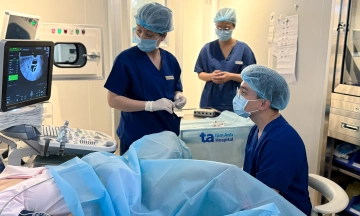
A significant gap exists in the nutritional care of inpatients, particularly those in oncology, intensive care, and geriatrics. This was highlighted by Major General, Doctor Tran Quoc Viet, Director of Military Hospital 175, at a memorandum of understanding signing ceremony with Nutifood on 20/6.
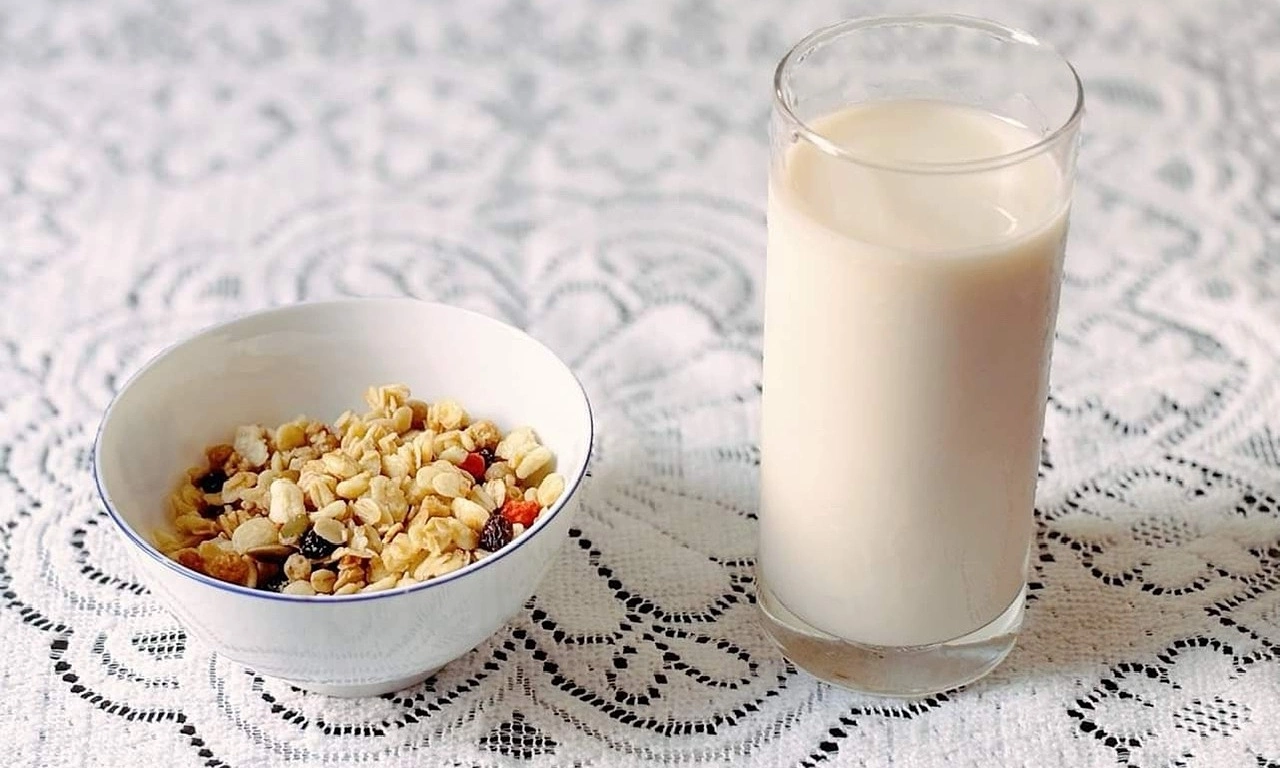
Doctor Viet explained that cancer patients require a precise nutritional regimen—sufficient but not excessive—to support their health without worsening their condition. However, the hospital currently relies on meals from a communal kitchen. Specialized imported nutritional products are costly and not widely accessible to patients.
This lack of adequate nutrition contributes to a high rate of malnutrition. Studies at many major Vietnamese hospitals show that 50-70% of inpatients experience malnutrition during treatment. This condition not only prolongs recovery time but also increases the risk of complications and mortality, especially among severely ill and elderly patients.
To address this, the hospital leadership hopes that collaborating with a nutrition enterprise will create new avenues. The partnership aims to develop products that are researched, validated, and adjusted to suit the physiological characteristics of Vietnamese people. Initial research findings will contribute to building a nutritional database for patients, particularly in high-need groups such as: oncology, intensive care, pediatrics, and geriatrics.
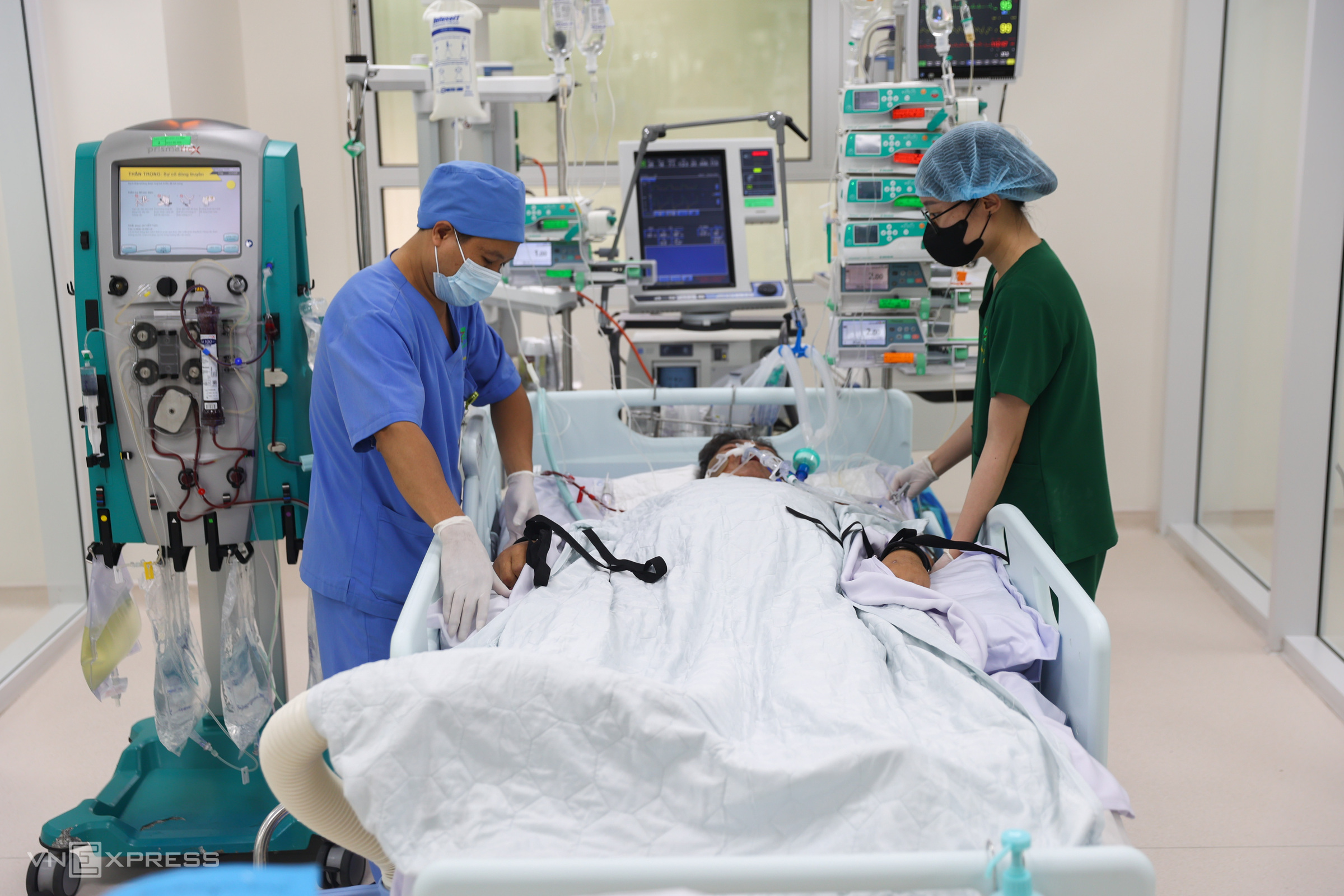 |
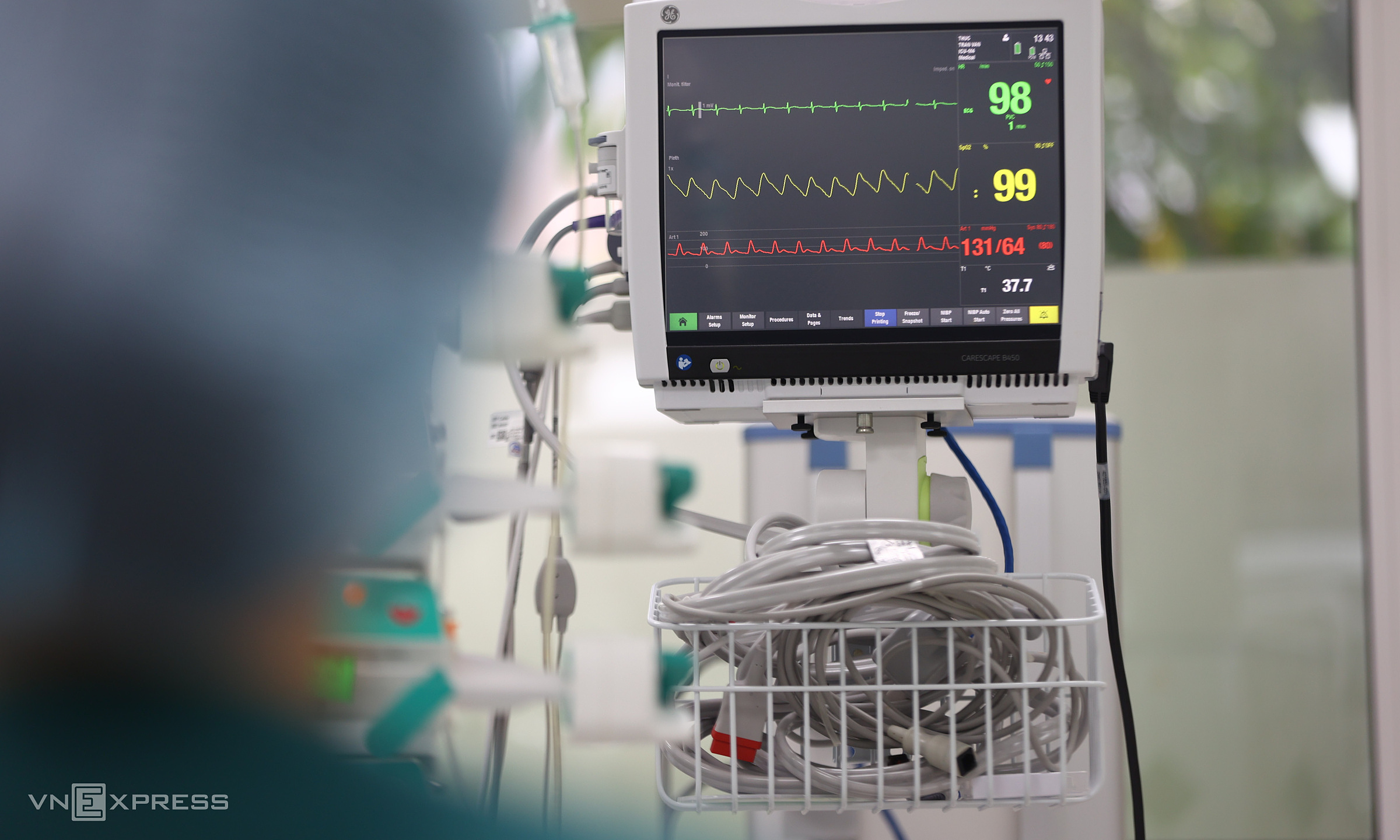
Patients undergoing intensive care at Military Hospital 175. Photo: Quynh Tran |
Patients undergoing intensive care at Military Hospital 175. Photo: Quynh Tran
Under the agreement, both parties will collaborate on clinical research to assess the safety, tolerability, and nutritional efficacy in patients. This effort will combine the hospital's medical data with the research capabilities of the Nutrition Research Institute of TP HCM (NRI). The initial phase will focus on cancer and diabetes patients, with research expected to last 6-12 months before results are evaluated and accepted.
Tran Bao Minh, Vice Chairman of the Nutifood Board, emphasized that clinical research is a mandatory step in developing modern formula nutrition. He noted that even if formulas meet international standards, they still require validation on Vietnamese individuals to ensure their suitability for local physiology and actual needs.
According to Minh, combining domestic production with clinical research in Vietnam could reduce costs by 20-30% compared to imported products, simultaneously increasing patient accessibility. Nutifood is also implementing numerous research projects with domestic and international institutes and universities, considering the clinical validation phase in Vietnam a crucial step to finalize products before widespread application.
Le Phuong