Articular cartilage is a specialized connective tissue that covers the ends of bones at their junction within a joint. Its smooth, elastic, and load-bearing surface allows bones to glide effortlessly during movement. Crucially, cartilage distributes forces impacting the joint. When the body moves, force is not concentrated on a single point but is distributed through the cartilage structure and other joint components. This mechanism protects the subchondral bone, enabling joints to perform daily, repetitive movements.
Cartilage is often described as the "cushion" of a joint. When this cushioning is intact, movement is smooth. However, when cartilage is damaged, the joint surface changes, diminishing its ability to bear and distribute force, which sets the stage for further joint degradation.
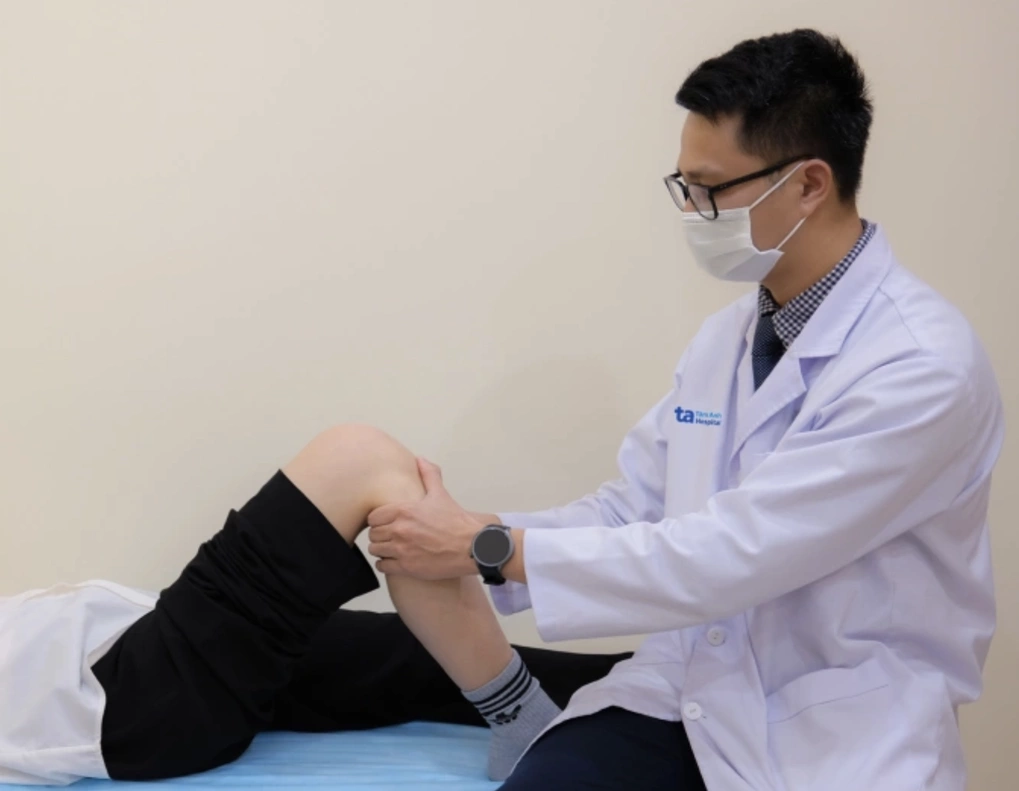 |
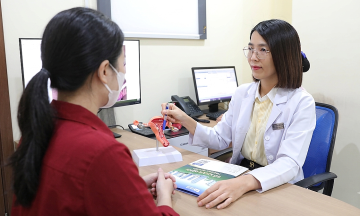
A doctor at Tam Anh General Hospital examining a patient's knee joint. Photo: Provided by the hospital |
According to Doctor Hoang Quyet Tien from the Medical Information Center at Tam Anh General Hospital, Ho Chi Minh City (TP HCM), cartilage damage resulting from trauma, such as meniscal tears or cartilage fractures, can initiate or play a central role in secondary osteoarthritis. As damage accumulates, cartilage gradually erodes, increasing friction and impeding joint movement.
Osteoarthritis is not merely "worn cartilage"; it is a disease affecting the entire joint, encompassing articular cartilage, subchondral bone, synovial membrane, ligaments, joint capsule, and surrounding tissues. Nevertheless, cartilage damage remains a critical component in this degenerative process.
As cartilage structure degrades, its capacity to bear loads and protect bone ends diminishes. The subchondral bone may then endure increased stress, while the synovial membrane and other joint tissues can undergo degenerative changes. The common outcomes include clicking sounds, pain during movement, a restricted range of motion, or a general feeling of stiffness.
Doctor Tien explained that no current treatment can fully restore cartilage structure and function after damage. This is partly because cartilage tissue lacks blood vessels and has a low cell density, severely limiting its capacity for self-repair.
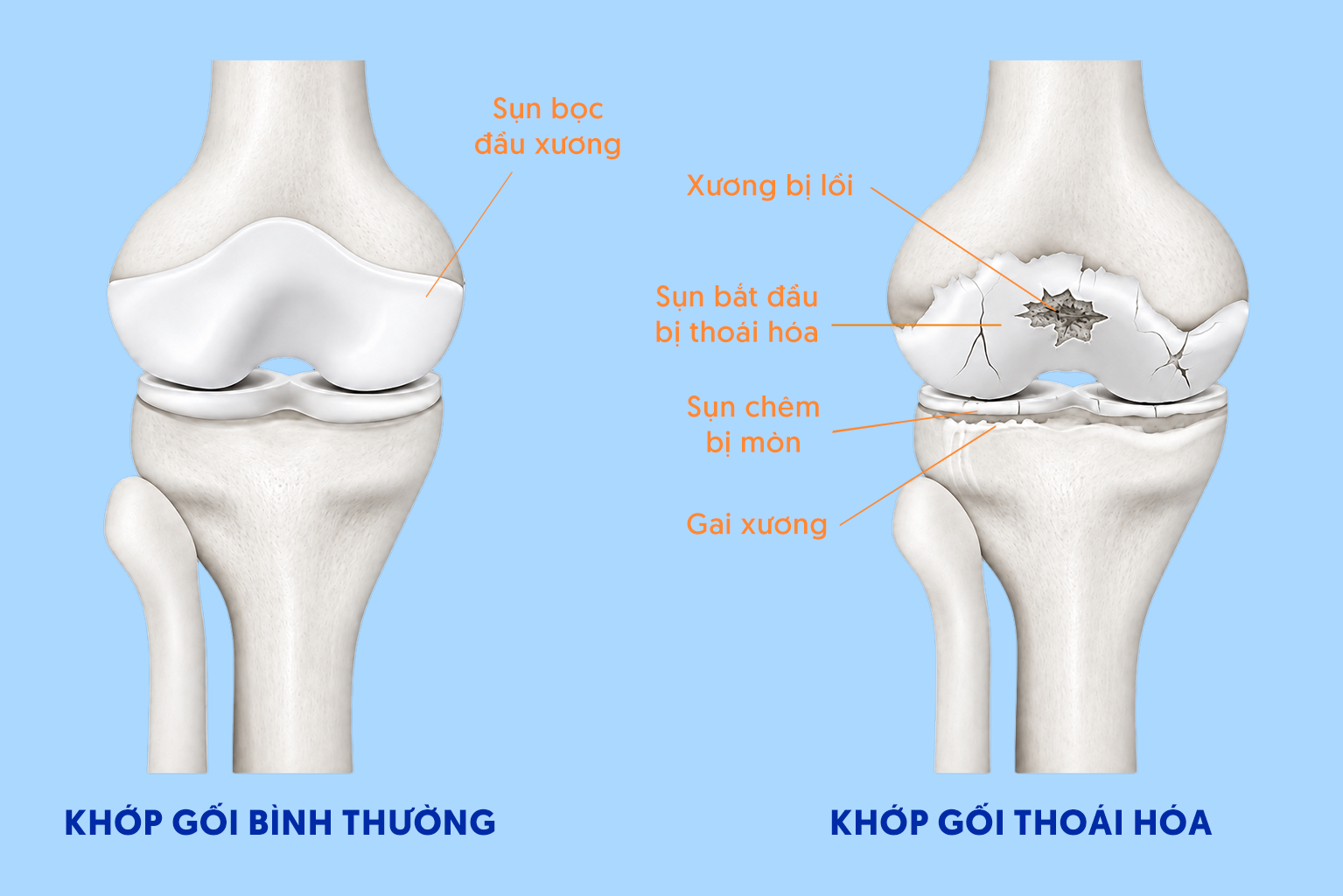 |
A model of an arthritic knee joint with damaged cartilage. Photo: Eco Pharmaceutical Joint Stock Company |
To protect articular cartilage from an early age, Doctor Tien recommends maintaining a healthy weight, engaging in regular exercise at an appropriate intensity, minimizing injuries, and supplementing with essential nutrients for cartilage. These include a combination of: undenatured type II collagen and collagen peptides, eggshell membrane, chondroitin sulfate, and turmeric extract. These nutrients can help protect, nourish, and support cartilage regeneration, reduce aches, and maintain joint flexibility.
Dinh Dieu
| Readers can submit questions about musculoskeletal diseases here for doctors to answer. |