Menstrual pain varies among women. Mild pain typically begins before or on the first day of menstruation and lasts for 24-48 hours. This dull ache in the lower abdomen, often accompanied by fatigue, usually has minimal impact on daily activities. Moderate pain presents as more distinct cramping, causing discomfort and potentially radiating to the lower back and thighs. Severe cases involve intense, prolonged cramping that can last for several days, accompanied by nausea, vomiting, dizziness, sweating, diarrhea, or loss of consciousness (fainting). This level of pain often necessitates bed rest, preventing work or study.
Pharmacist Do Xuan Hoa, from the Medical Information Center at Tam Anh General Hospital, Ho Chi Minh City, explains that when fertilization does not occur, progesterone levels decrease. This drop stimulates the uterine lining to release a large amount of prostaglandin, causing the uterine smooth muscles to tighten and contract strongly to shed the lining as menstrual blood. The intensity of these contractions and the sensitivity of the pain-sensing nervous system are influenced by several factors, including hormones. The balance between estrogen and progesterone plays a crucial role in regulating the menstrual cycle.
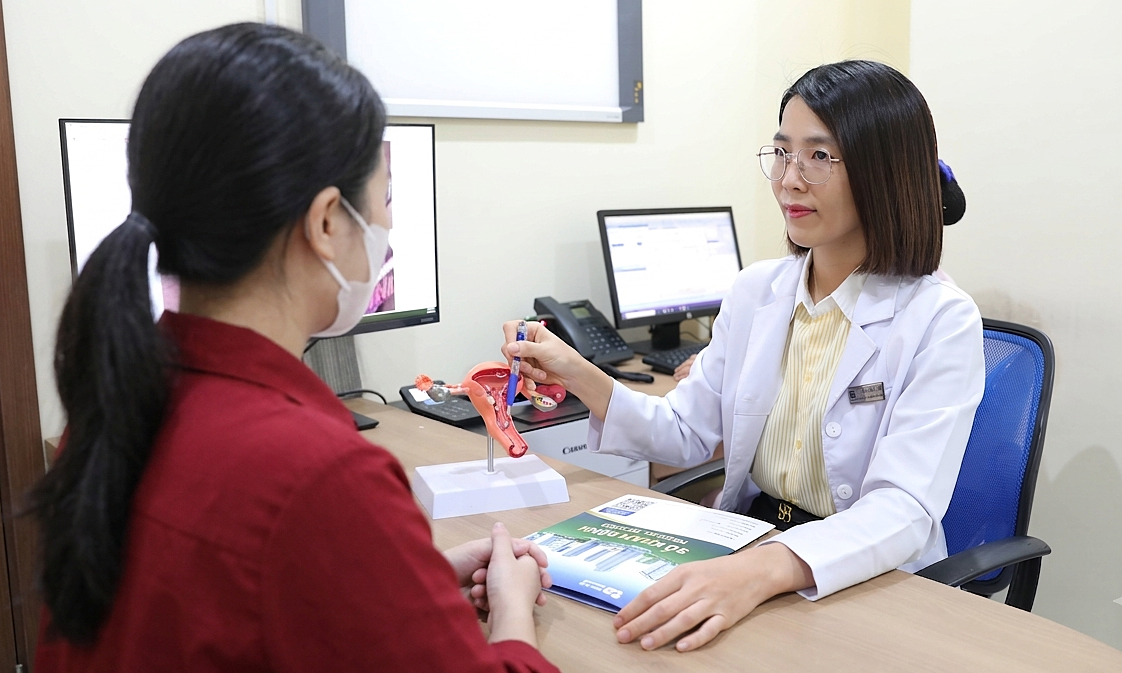 |
Women experiencing severe, prolonged menstrual pain that does not respond to painkillers should consult a doctor. Photo: Tam Anh General Hospital.
During puberty, the brain-pituitary-ovary axis in females is not yet fully developed. Estrogen and progesterone levels are often imbalanced, with estrogen typically higher than progesterone. This leads to a thicker uterine lining and increased prostaglandin production, which stimulates pain-sensitive nerves and results in more intense pain. This condition is known as primary dysmenorrhea. Entering perimenopause and menopause (ages 40-50), declining and disrupted estrogen levels lead to a decrease in serotonin, a hormone that regulates emotions and mood. This makes women more prone to irritability, stress, and heightened pain sensitivity.
Lifestyle factors also contribute to worsening pain. These include chronic stress, which elevates cortisol levels, a diet high in sugar and salt, insufficient sleep, and a sedentary lifestyle.
For individuals with endometriosis, adenomyosis, or chronic pelvic pain, the pain is often severe due to localized inflammatory reactions, stagnant blood causing inflammation, and compression of surrounding tissues. Conditions like uterine fibroids, which increase the uterine surface area and impede normal contractions, or polycystic ovary syndrome (PCOS), which causes irregular cycles and a thickened uterine lining, also lead to higher pain levels during menstruation compared to normal individuals.
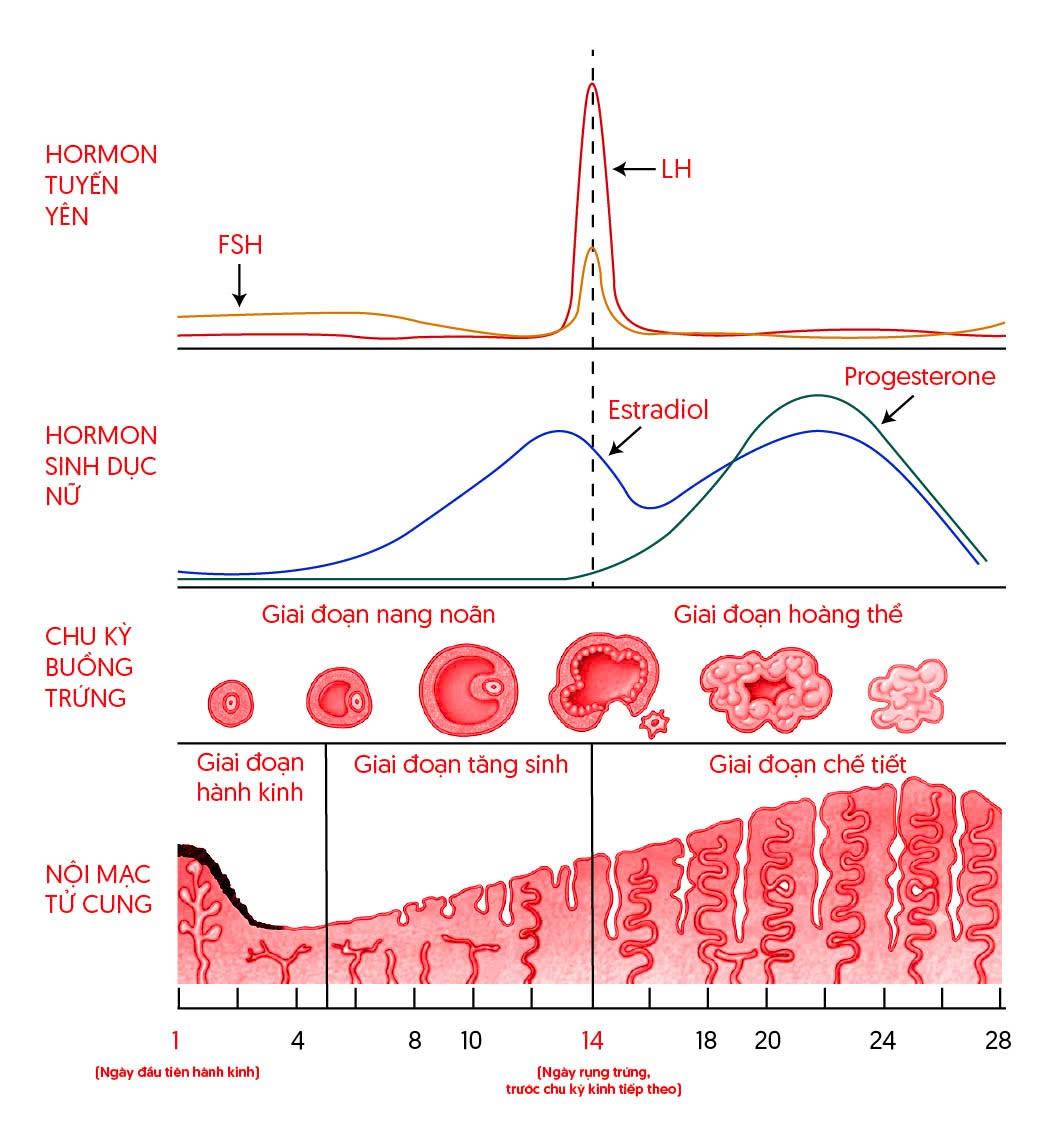 |
Description of hormonal, ovarian, and uterine lining fluctuations during a menstrual cycle. Photo: Eco Pharmaceuticals.
According to Pharmacist Hoa, mild menstrual pain can be alleviated with warm compresses and by drinking warm water. Gentle exercise helps reduce pain and stress, offering numerous other health benefits. Activities such as walking, cycling, or yoga contribute to improved mood and reduced fatigue.
To alleviate menstrual pain, women should prioritize adequate sleep, limit caffeine intake, manage stress effectively, and maintain a healthy diet. Implementing methods to stabilize hormones is also beneficial. A diverse nutritional intake, focusing on vegetables, whole grains, and protein, is an excellent way to provide the body with energy.
Certain herbs, such as lepidium meyenii, which contain highly bioactive compounds, can positively influence the brain-pituitary-ovary axis. This supports the body's ability to self-produce essential hormones like estrogen, progesterone, and testosterone according to its needs, thereby helping to regulate menstruation and alleviate symptoms such as hot flashes, irritability, and insomnia.
Pharmacist Hoa advises that if pain appears suddenly, persists, or does not respond to conventional painkillers, women should consult a specialized healthcare facility for examination, hormonal assessment, and screening for gynecological conditions.
Thai Thanh
| Readers can submit questions about obstetrics and gynecology here for a doctor to answer. |