This initiative by the Ministry of Health is part of its plan to adapt to population aging and enhance healthcare for the elderly. It is outlined in a recently issued circular guiding the National Target Program on Healthcare, Population, and Development for the 2026-2035 period.
This policy comes as Vietnam's elderly population is rapidly increasing. The country currently has 14,2 million people aged 60 and above, an increase of 2,8 million since 2019. This number is projected to reach nearly 18 million by 2030. The intergenerational ratio is also shifting quickly; in 2024, there were about 60 elderly people for every 100 children, a figure expected to rise to 225 by 2074. This demographic shift places significant pressure on the social security system, as the younger workforce faces increased burdens.
While the average life expectancy for Vietnamese people is increasing, health quality remains a concern. On average, individuals live an additional 14 years with illness, which escalates healthcare costs and strains the health insurance fund and state budget.
Instead of focusing solely on care in old age, Vietnam is promoting early preparation, particularly for individuals aged 40 and above. Health and population officials at all levels will receive training to advise and guide people on maintaining healthy lifestyles, engaging in physical activity, managing their health, and acquiring skills for in-home elderly care. Citizens will also receive guidance on financial planning, labor, and suitable employment as they approach old age.
Alongside preparing for old age, Vietnam is intensifying efforts for the early detection of common diseases among the elderly. Annually, Provincial People's Committees select 50% of communes, wards, and special zones to organize communication campaigns combined with examinations for early detection of specific common elderly diseases. This initiative is distinct from regular health check-up programs or other free screening campaigns.
Elderly individuals and their relatives are encouraged to participate, create health monitoring lists, undergo examinations for disease detection, and receive advice on self-care and health improvement before, during, and after the check-ups.
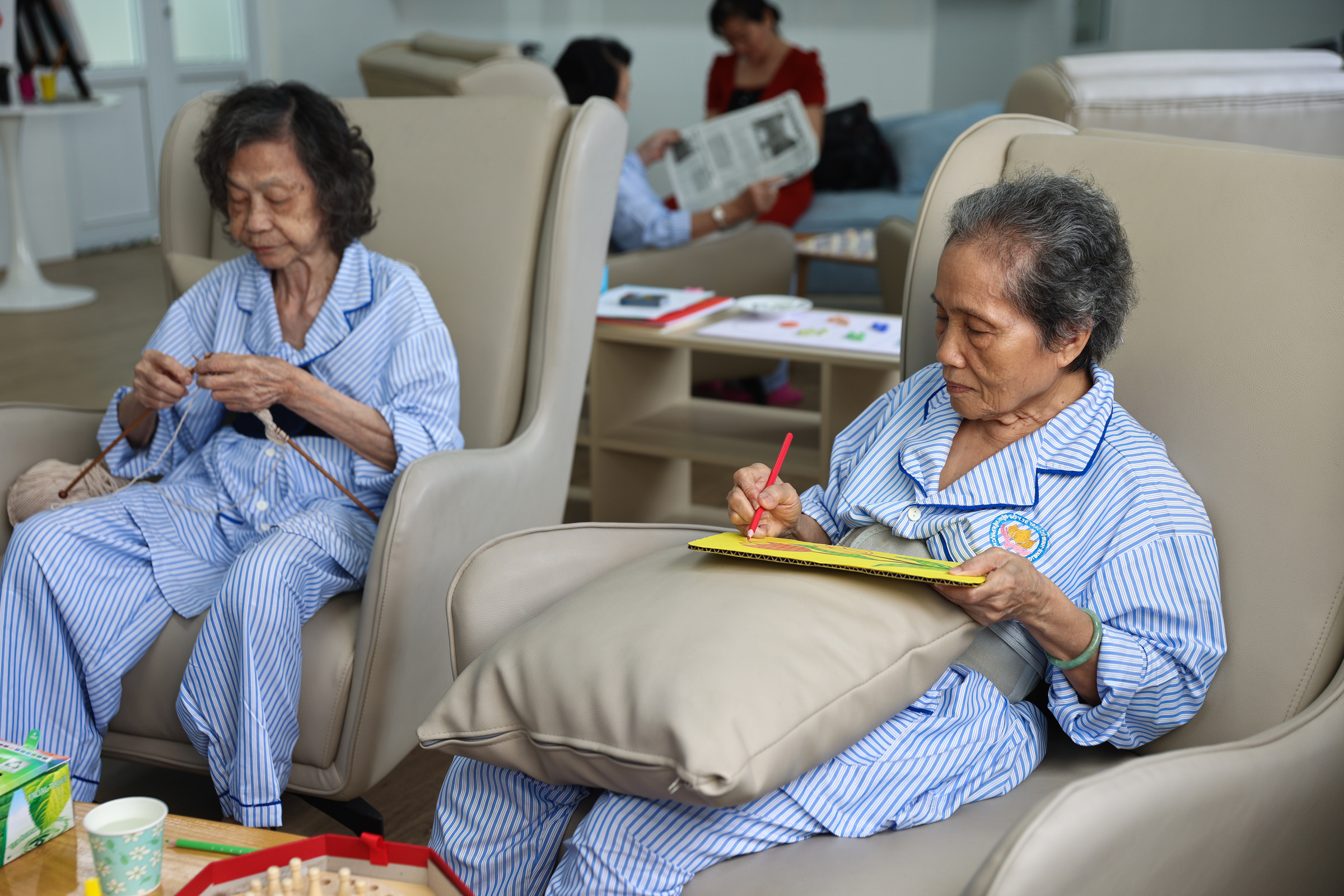 |
Elderly individuals participate in semi-residential elder care services in TP HCM. *Quynh Tran*. |
Another focus is on local communities developing elderly healthcare networks within residential areas. Elderly care clubs are being established to provide guidance on self-care knowledge, general health management, and physical fitness exercises.
Training for doctors, nurses, and specialized geriatric technicians is being enhanced. Concurrently, the health sector is researching disease patterns and the healthcare needs of the elderly.
According to experts, preparing for old age should begin in middle age, when risk factors for chronic diseases, health decline, and financial pressures start to emerge. Lifestyle adjustments, consistent physical activity, financial planning, and acquiring care skills will help individuals extend their healthy lifespan, reduce the burden of illness, and improve their quality of life in old age.
Le Nga