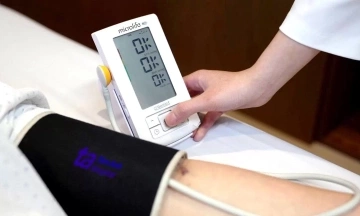
Measuring blood pressure is vital for monitoring cardiovascular health. However, certain habits immediately preceding a measurement can skew results, leading to temporary increases or decreases in readings.
**Consuming caffeine-containing beverages**
According to the Times of India, caffeine stimulates the sympathetic nervous system, leading to a faster heart rate and a temporary rise in blood pressure for many. Consequently, consuming coffee, strong tea, energy drinks, or other caffeinated beverages right before a measurement can produce readings higher than normal.
Avoid caffeinated beverages for at least 30 minutes before a blood pressure measurement. For home monitoring, take readings at the same time daily and under similar conditions to easily compare results.
**Smoking**
Nicotine in tobacco constricts blood vessels, accelerates heart rate, and temporarily raises blood pressure. This effect can persist for several tens of minutes to over an hour in some people. Therefore, avoid smoking for at least 30 minutes before a measurement.
**Strenuous activity immediately before measurement**
Activities like climbing stairs, jogging, exercising, lifting heavy objects, or strenuous labor force the heart to work harder to meet the body's oxygen and energy needs. While a normal physiological response, this also temporarily elevates blood pressure.
Measuring immediately after activity can yield results higher than actual resting blood pressure. Therefore, sit and relax for at least 5 minutes, or longer after intense exercise, before taking a measurement.
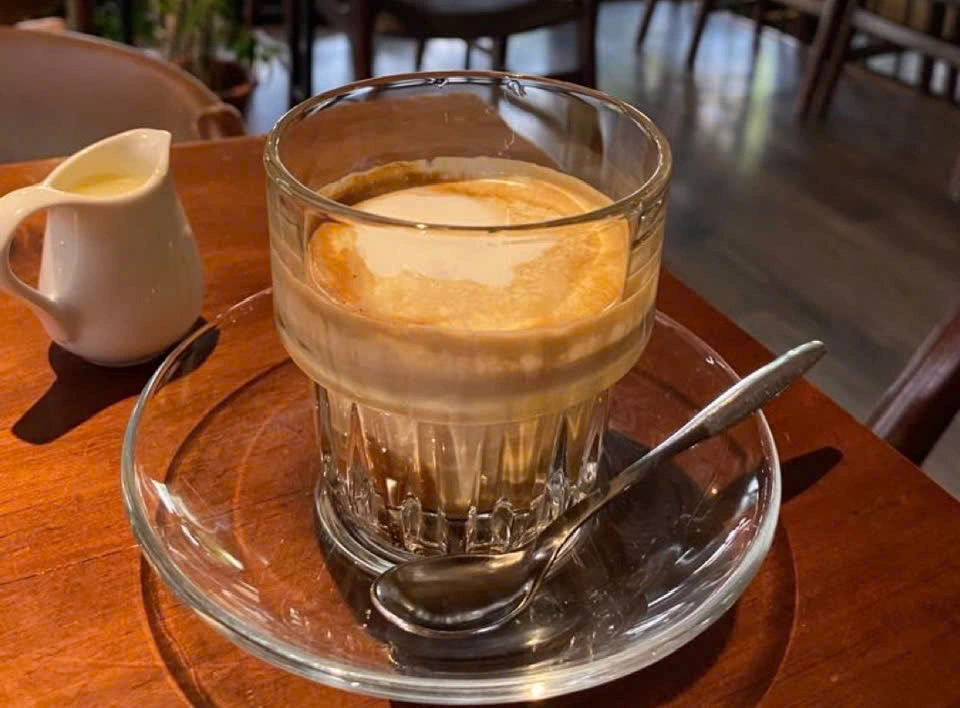 |
Drinking coffee before measuring blood pressure can temporarily increase blood pressure. *Illustration: Pham May* |
**Stress or strong emotions**
Anxiety, anger, nervousness, or stress trigger the body to release hormones like adrenaline and cortisol. These hormones accelerate heart rate, constrict blood vessels, and temporarily elevate blood pressure. This phenomenon often explains why some individuals experience high blood pressure readings in medical settings but normal readings at home. WebMD advises sitting, relaxing, breathing steadily, and maintaining a calm mindset for at least 5 minutes before a measurement.
**Eating too much or consuming excessive alcohol**
After a large meal, blood flow shifts to the digestive system to aid digestion. This can temporarily alter blood pressure, particularly in older adults.
Alcohol consumption also readily causes blood pressure fluctuations, particularly in large amounts. Therefore, avoid measuring blood pressure immediately after a large meal or drinking alcohol. Instead, measure before a meal or 1-2 hours afterward.
**Holding urine**
An overly full bladder can also impact blood pressure readings. Holding urine activates nervous reflexes, causing a slight blood pressure increase. Before measurement, use the restroom if necessary to ensure comfort and more accurate results.
Le Nguyen (Compiled)
| Readers can submit questions about cardiovascular diseases here for doctors to answer. |