Eng English
China 中国人

Eng English
China 中国人
  • News
  • World
  • Business
  • Entertainment
  • Sports
  • Law
  • Education
  • Health
  • Lifestyle
  • Travel
  • Science
  • Digital
  • Automobiles
  • Trở lại Thể thao
  • Health
Tuesday, 15/9/2026 | 19:08 GMT+7

What happens to your heart and brain when you eat avocados regularly?

Avocados, rich in monounsaturated fats, fiber, potassium, folate, and vitamin E, contribute to maintaining brain and cardiovascular health.

Supports nerve cell protection

According to Very Well Health, the brain requires fats to maintain the structure of nerve membranes and facilitate signal transmission between cells. Avocados provide monounsaturated fats, along with vitamin E and antioxidant compounds. These nutrients contribute to normal nervous system function, limiting damage caused by free radicals.

Avocados also contain lutein and zeaxanthin, two antioxidants with anti-inflammatory properties that help protect brain cells. These compounds support enhanced cognitive abilities, memory, concentration, information processing, and slow the brain's aging process.

Helps control cholesterol

Monounsaturated fats and fiber in avocados are two beneficial components for cholesterol control. Monounsaturated fats help reduce bad cholesterol when used as a substitute for saturated fats found in animal fat, skin, or processed foods. Meanwhile, fiber can retain some cholesterol in the digestive tract, aiding its elimination from the body through feces. Consequently, the amount of cholesterol absorbed into the bloodstream decreases.

Avocados are rich in nutrients beneficial for heart and brain health. Photo: Le Nguyen

Enhances blood vessel health

According to Eating Well, monounsaturated fats and various beneficial plant compounds in avocados help limit inflammation and oxidation processes associated with plaque development in arteries. As plaque accumulates and grows, the vessel lumen narrows, reducing space for blood flow and increasing the risk of myocardial infarction or stroke.

Helps stabilize blood pressure

Avocados are rich in potassium, an essential mineral for muscle function and fluid balance in the body. A diet with adequate potassium, while controlling sodium intake, can help maintain appropriate blood pressure levels. Prolonged high blood pressure increases strain on the heart and arterial walls, thereby affecting cardiovascular health.

Individuals with kidney disease or those advised by a doctor to limit potassium should be mindful of their avocado intake. Avocados can be used in salads, spread on whole-grain toast, or combined with vegetables. It is advisable to limit avocado dishes with added sugar, condensed milk, or cream, as these increase sugar and energy content.

Le Nguyen (Compiled)

Readers can ask nutrition questions here for a doctor's response
By VnExpress: https://vnexpress.net/dieu-gi-xay-ra-voi-tim-nao-khi-an-qua-bo-thuong-xuyen-5120455.html
Tags: cardiovascular health brain nutrition avocado

News in the same category

Why eating fiber in the evening helps you sleep well

Why eating fiber in the evening helps you sleep well

Consuming fiber with your evening meal can foster a healthy gut, stabilize the digestive system, and boost the production of sleep-inducing hormones.

Why you should not talk while measuring blood pressure

Why you should not talk while measuring blood pressure

Talking can alter breathing patterns, muscle activity, and neurological states, leading to blood pressure fluctuations and inaccurate readings.

4 key areas parents should focus on for healthy child development

4 key areas parents should focus on for healthy child development

While height and weight reflect only a part of a child's development, daily attention to nutrition and mental well-being is also crucial.

Provinces report dengue fever deaths

Provinces report dengue fever deaths

Dak Lak and Gia Lai have recorded their first dengue fever deaths in 2026, with patients including both young adults and the elderly, all of whom had underlying health conditions.

Burning, stinging eyes: what do they warn of?

Burning, stinging eyes: what do they warn of?

Burning, stinging eyes often relate to dry eyes, allergies, or blepharitis, but if accompanied by significant redness, pain, light sensitivity, or blurred vision, it may signal a need for medical examination.

Lung damage due to interstitial lung disease

Lung damage due to interstitial lung disease

Mr. Kinh, 60, experienced fever and shortness of breath; doctors diagnosed interstitial lung disease causing lung tissue damage.

5 essential actions after wading through floodwaters

5 essential actions after wading through floodwaters

Changing wet clothes, showering with clean water, checking wounds, and monitoring for unusual signs help reduce infection risk after passing through flooded areas.

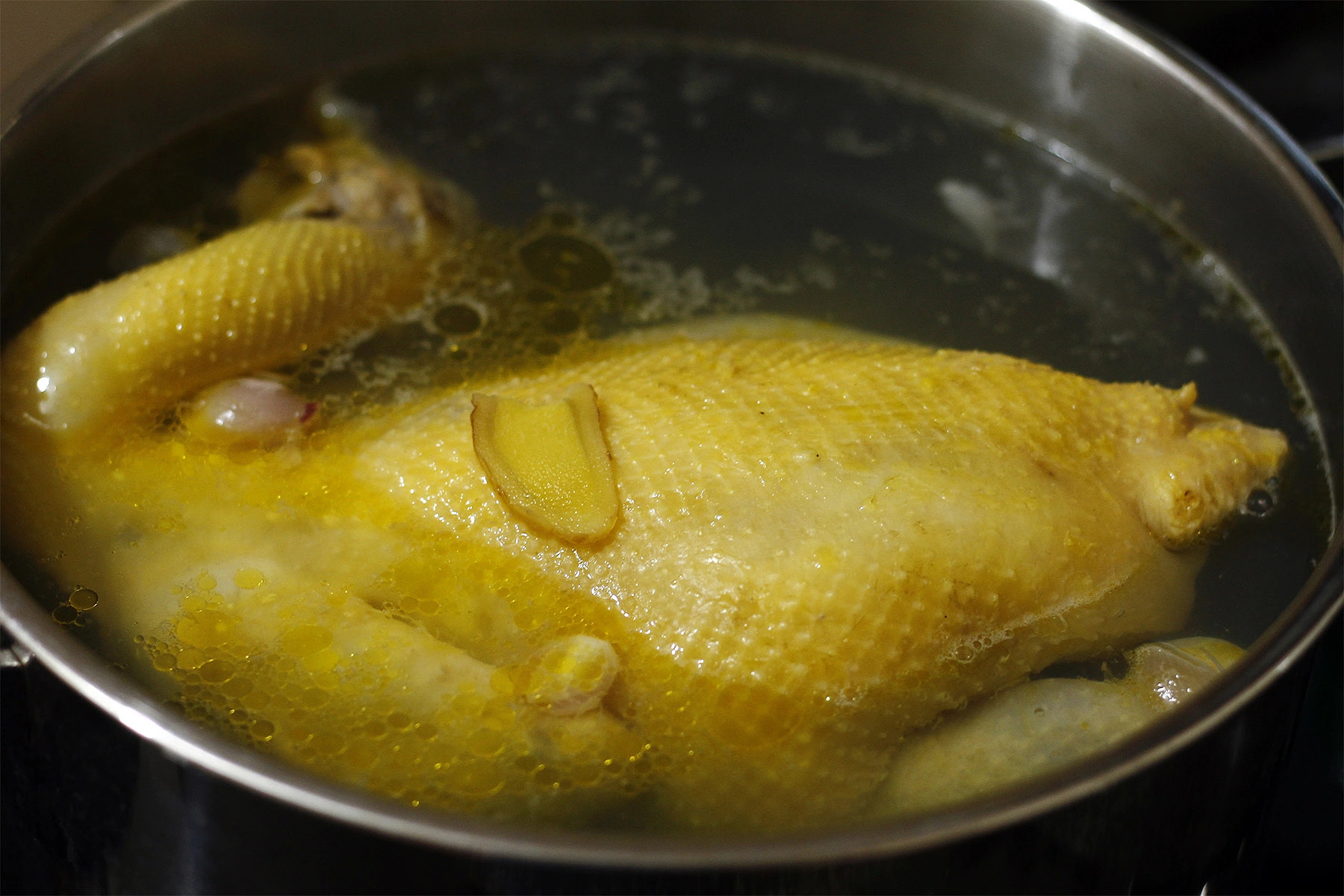
Is chicken truly incompatible with shrimp, garlic, and Vietnamese coriander?

Is chicken truly incompatible with shrimp, garlic, and Vietnamese coriander?

The belief that chicken is incompatible with shrimp, garlic, or Vietnamese coriander primarily stems from folk tradition; experts confirm these foods do not produce toxins when cooked together, with the risk of poisoning largely due to hygiene issues.

Elderly woman with kidney failure and anemia

Elderly woman with kidney failure and anemia

Som, 79, with stage 4 chronic kidney disease causing anemia, saw her health stabilize after doctors prescribed medication and adjusted her nutrition.

How long does a knee dislocation take to recover?

How long does a knee dislocation take to recover?

I dislocated my knee while playing soccer and had to take some time off. The pain recently subsided, so I returned to playing, but after each match, my knee still swells slightly and sometimes feels stiff, especially after sitting for extended periods.

Eng English
China 中国人
  • News
  • World
  • Business
  • Entertainment
  • Sports
  • Law
  • Education
  • Health
  • Lifestyle
  • Travel
  • Science
  • Digital
  • Automobiles
FPT Tower, 10 Pham Van Bach Street, Dich Vong Ward,
Cau Giay District, Hanoi, Vietnam
Email: contacts@vnportal.net
Tel: 028 7300 9999 - Ext 8556
Advertise with us: 090 293 9644
Register
© Copyright 2026 vnnow.net. All rights reserved.
Terms of use Privacy policy Cookies