Plums are a potent natural remedy for constipation, primarily due to their rich content of fiber, water, and unique compounds like sorbitol, pectin, and polyphenols. These fruits offer about three grams of fiber in four to six medium-sized plums. This fiber content promotes bowel movements and increases natural stool frequency in individuals experiencing constipation or the constipation-predominant type of irritable bowel syndrome (IBS). Furthermore, fiber helps soften stools, supporting digestion and alleviating discomfort caused by constipation.
Plums also contain abundant water, contributing to the body's daily hydration. When combined with fiber, this water content further softens stools and supports the digestive system's function. According to WebMD, plums are highly beneficial for constipation because they provide sorbitol, a natural sugar that is not fully absorbed. Sorbitol draws water into the intestines, which can soften stools and enhance bowel movements. Plums also supply pectin fiber and polyphenol antioxidants; both are linked to healthy bowel function and possess natural laxative properties.
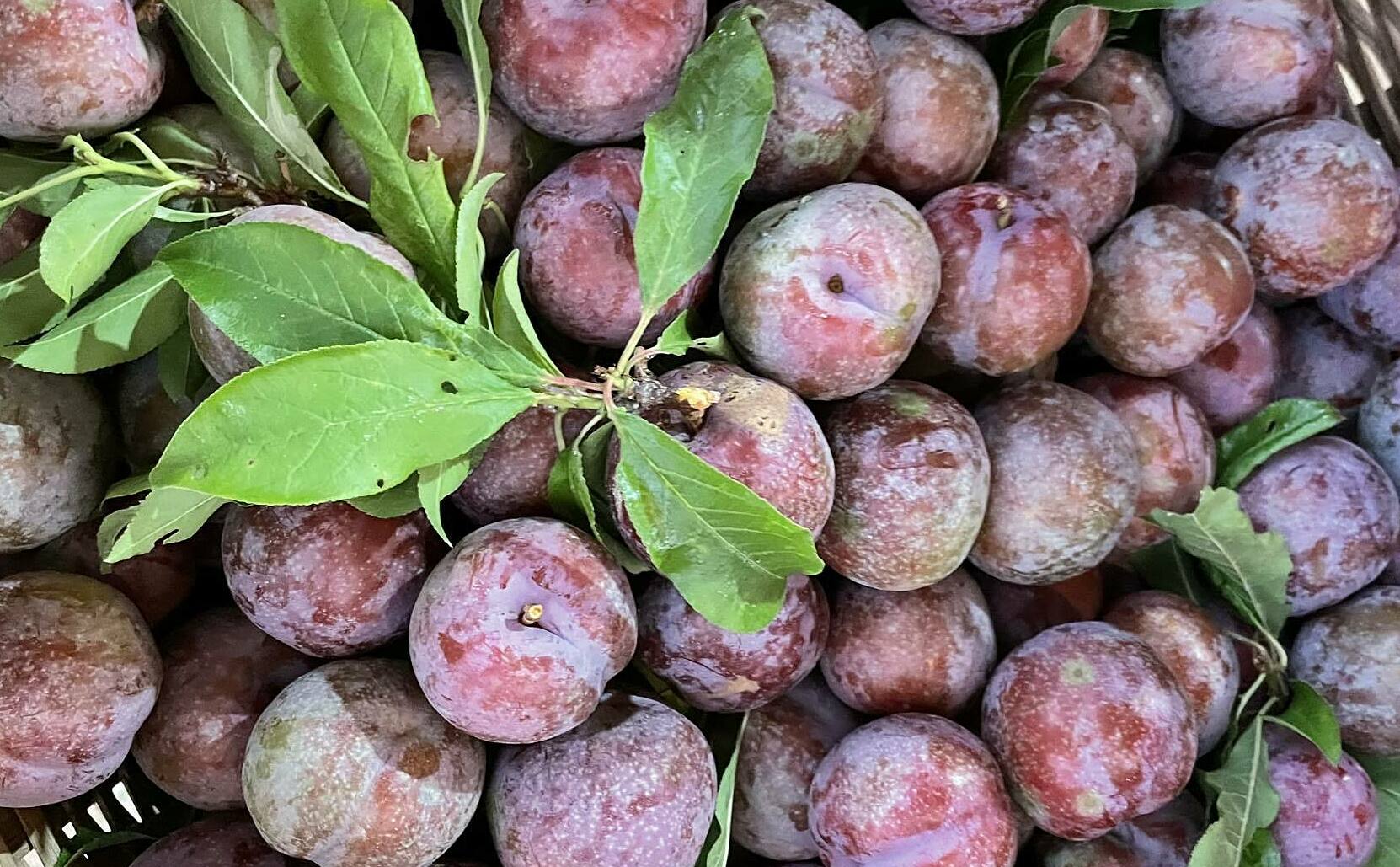 |
Plums, rich in fiber, help alleviate constipation. Photo: Anh Chi |
Plums, rich in fiber, help alleviate constipation. Photo: Anh Chi
Incorporating plums into your diet can significantly facilitate easier bowel movements and offers versatile consumption methods. Consuming two to three dried plums can soften hard, lumpy stools, reducing straining during defecation for individuals with chronic constipation. When eaten in moderation, plums do not typically cause side effects such as bloating, diarrhea, or an urgent need to use the restroom.
For variety, plums can be prepared in several ways: blended with yogurt and a little water for a fiber-rich breakfast, eaten fresh directly, or carried as dried plums for a convenient portable snack, according to Eating Well. If you prefer beverages, you can juice plums without adding sugar. Plums can also be chopped and mixed into spinach or lettuce salads, or combined with chicken or fish to add protein, fiber, and other nutrients. However, individuals with irritable bowel syndrome, stomach pain, or other digestive issues should consume plums in moderation, gradually increasing fiber intake, and monitoring their body's response.
Beyond dietary adjustments, comprehensive strategies are vital for effective constipation relief and maintaining digestive health. Adequate hydration is crucial; everyone should drink enough water, possibly warm water in the morning, to stimulate bowel movements. Regular exercise, about 30 minutes daily and at least five days a week, also contributes to maintaining digestive health. If constipation persists for more than two weeks, patients should consult a doctor for appropriate treatment advice.
Anh Chi (Compiled)