Sleep apnea is a medical condition that disrupts breathing rhythms and affects sleep quality. While it can be treated with continuous positive airway pressure (CPAP) therapy, several simple exercises can also help patients alleviate symptoms.
Throat exercises
Mouth and throat exercises strengthen the muscles around the airway, reducing obstruction during sleep. Individuals can try exercises such as continuously saying "A" for 20 seconds or stretching their tongue. Consistent practice over an extended period can lead to positive changes in the body.
Pursed-lip breathing
Pursed-lip breathing helps manage sleep apnea. To practice, inhale deeply through the nose for two counts, then slowly exhale through pursed lips (as if blowing out a candle) for four counts. This simple exercise can promote airflow and increase lung capacity.
Diaphragmatic breathing
Focusing on effectively using the diaphragm also improves breath quality. Place one hand on the chest and the other on the abdomen. Inhale deeply through the nose, ensuring the abdomen expands while the chest remains still, then slowly exhale.
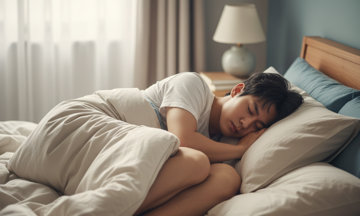
Patients should maintain a quiet, dark bedroom. Consider using blackout curtains, earplugs, or a white noise machine for better sleep. Going to bed and waking up at the same time each day also regulates the body's biological clock. Reading or meditating can help relax before sleep.
Individuals who suspect they have sleep apnea should consult a doctor to review their sleep habits and the severity of their condition. Overweight individuals may benefit from weight loss, combining a balanced diet with regular exercise to improve symptoms, as excess weight contributes to airway obstruction. If lifestyle adjustments do not alleviate the condition, patients should seek medical treatment.
Le Nguyen (According to Hindustan Times)
| Readers can submit respiratory questions here for doctors to answer |