Herbalist Bui Dac Sang, from the Vietnam Academy of Science and Technology and the Hanoi Traditional Medicine Association, states that lychee and longan are juicy, delicately sweet fruits popular in summer. Despite their rich nutrients, both fruits possess heating properties and high sugar content. If consumed excessively, they can disrupt body balance, causing mouth sores, acne breakouts, and even severely affecting certain vulnerable groups.
Lychee
One hundred grams of lychee contains 15.2 grams of sugar. The high sugar content in lychee pulp can overwhelm the liver's absorption and metabolism capacity, leading to a rapid increase in blood sugar. Consuming too much lychee causes blood sugar levels to spike, affecting glucose metabolism and worsening existing conditions. Individuals may experience symptoms such as dizziness, cold sweats, nausea, or develop a fever.
Children's immature digestive systems are particularly susceptible to sugar metabolism disruption from excessive lychee consumption, leading to internal heat, indigestion, prickly heat, and high fever. Children should only eat about 5-6 fruits at one time.
Lychee is rich in vitamin C and powerful antioxidants. For individuals with autoimmune diseases, such as multiple sclerosis, lupus, or rheumatoid arthritis, these active compounds can overstimulate the immune system, exacerbating disease symptoms.
Excessive lychee consumption can lead to weight gain, obesity, allergies, and prickly heat. Pregnant women already face a higher risk of gestational diabetes. Eating too much lychee can cause blood sugar levels to surge, potentially leading to difficult childbirth and increasing the risk of postpartum hemorrhage and infection.
Healthy adults should also consume lychee in moderation, around 10-15 fruits per serving, to prevent adverse effects.
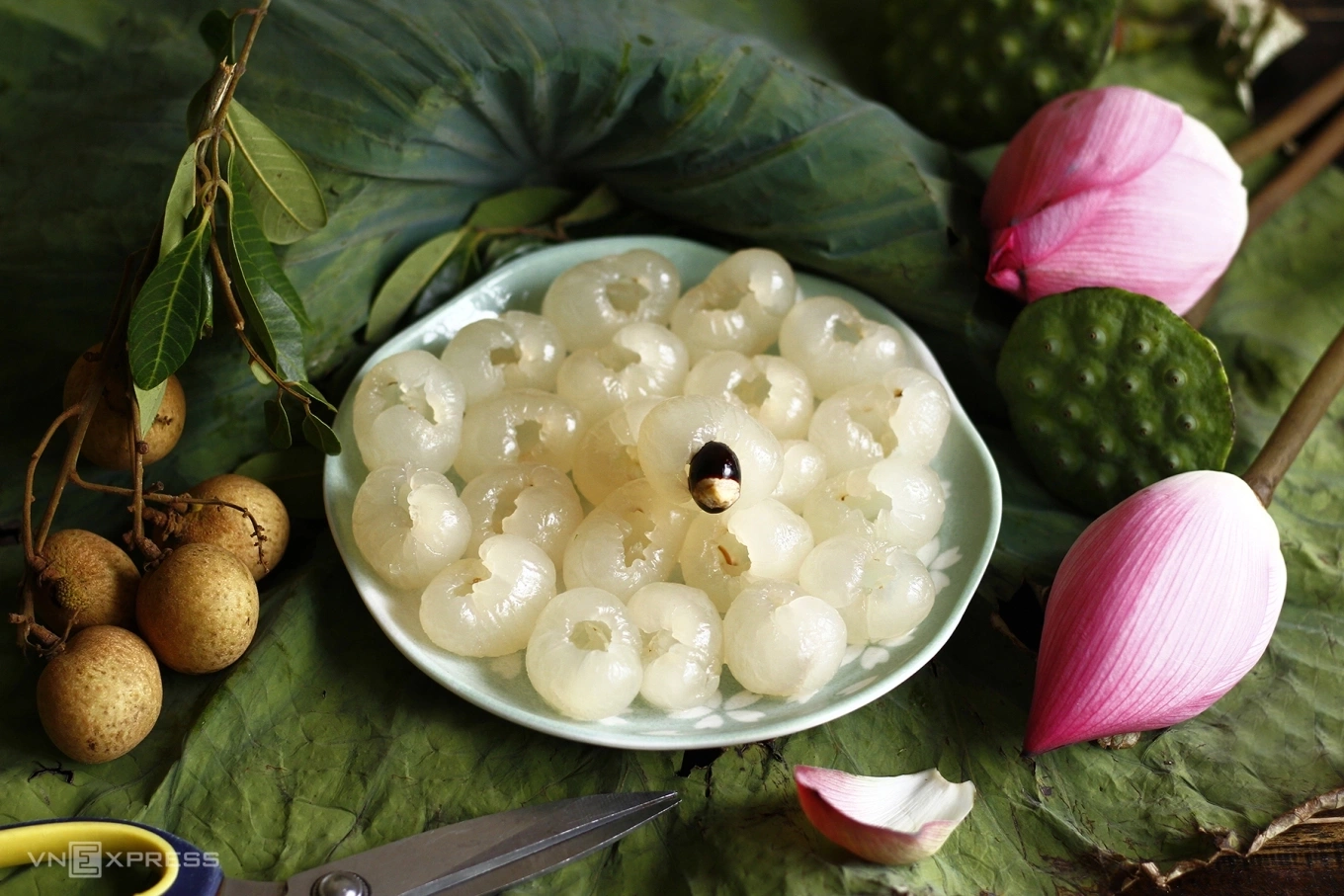 |
Illustration: Bui Thuy. |
Longan
Although longan has a delicately sweet taste and is juicy, it contains a very high amount of sugar. One hundred grams of fresh longan contains about 48 kcal and many nutrients, but eating too much can cause discomfort, acne, and itching.
Due to longan's high heating properties, consuming it can strain the cardiovascular system, leading to increased blood pressure, which is detrimental to disease treatment. Pregnant women, especially during the first 7-8 months of pregnancy, should avoid eating longan. The heating nature of this fruit can easily cause threatened miscarriage, bleeding, lower abdominal pain, and even harm fetal development, potentially leading to miscarriage.
When giving longan to young children, adults must peel and remove the pit beforehand to prevent the risk of children swallowing it whole, leading to choking and life-threatening airway obstruction.
If you have a predisposition to internal heat or frequently experience acne breakouts but still wish to eat longan, you should ensure adequate hydration (2-2.5 liters per day) and increase your vegetable intake (200-300 grams per day) to rebalance your body.
Thuy An