Doctors rarely smoke, and for good reason. A study published in the Journal of the American Medical Association (JAMA) found that less than 2% of healthcare professionals use tobacco. They witness firsthand its devastating health effects, especially the soaring cancer risk. Similarly, oncologists frequently see how diet and lifestyle impact cancer, prompting them to adjust their own habits.
Doctor Nathan Handley, Director of the Integrated Cancer Rehabilitation Program at the Marcus Institute of Integrative Health, Jefferson Health, noted that American Cancer Society data shows diet alone accounts for about 4% of cancer cases in the US. While this figure is not large, doctors emphasize nutrition because it is linked to other modifiable risks such as: weight, alcohol consumption, and sedentary lifestyles. This combination contributes to approximately one-fifth of all cancer diagnoses.
Globally, 30% to 50% of cancer cases are related to modifiable lifestyle and environmental factors. Adults who strictly follow American Cancer Society guidelines for diet and physical activity can reduce their cancer risk by 10-20% and their risk of cancer mortality by 24-30%.
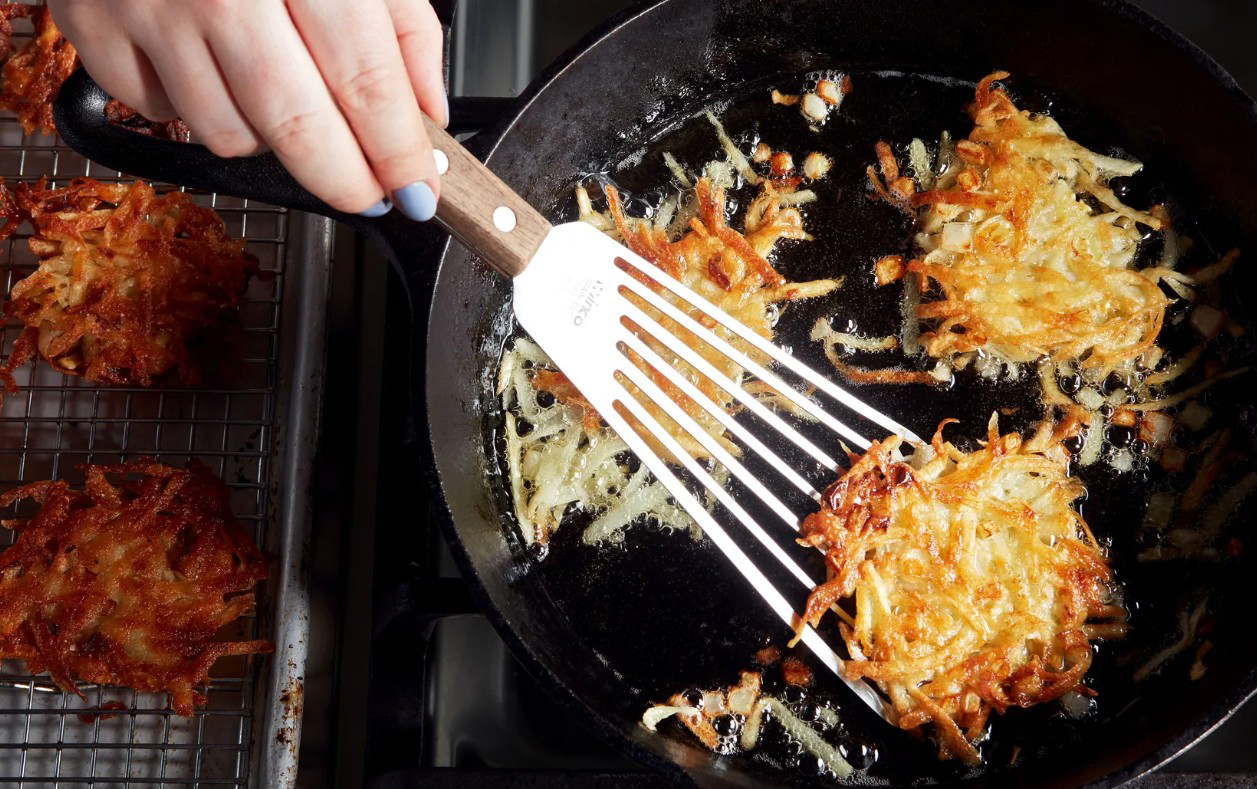 |
Illustrative photo: Joseph De Leo/Epicurious |
Just as most doctors avoid tobacco, there is one food type that oncologists completely skip when eating out: fried foods. In an interview with Parade magazine on 22/7, doctors affirmed that fried foods increase cancer risk through various mechanisms.
"Studies show that regularly eating deep-fried foods links to a high risk of certain cancers, though no single factor fully explains that relationship", said Doctor Sudarsan Vishnu Kollimuttathuillam, an oncologist at a cancer center in Irvine, California. He explained that deep-frying exposes food to high temperatures, which can create compounds like acrylamide and other potentially carcinogenic chemicals.
Doctor Handley added that cooking meat at extremely high temperatures, such as: frying, grilling, or charring, generates heterocyclic aromatic amines (HCAs) and polycyclic aromatic hydrocarbons (PAHs). These substances damage DNA and have been shown to cause cancer in animal tests, particularly when cooking oil is reused at high temperatures.
Moreover, frequent consumption of fried foods often leads to obesity. Doctor Dillon Cason, a hematologist and oncologist at Lehigh Valley Topper Cancer Institute, explained that obesity puts the body into a state of chronic inflammation. This releases inflammatory markers that allow abnormal cells to survive and develop into cancer, especially in individuals under 40.
While actively removing fried foods from their daily diet, oncologists also stress that no single food directly causes cancer. Cuisine offers comfort and joy beyond nutrition. Occasional indulgence in a few favorite fried dishes is not a concern, provided it is not a prolonged habit. Maintaining an overall healthy diet long-term is crucial.
To reduce cancer risk, experts recommend prioritizing plant-based foods such as: vegetables, fruits, whole grains, nuts, and legumes, while also maintaining a healthy weight. For protein sources, plant protein, poultry, and fish are better choices than red meat or processed foods like: deli meats and smoked meats.
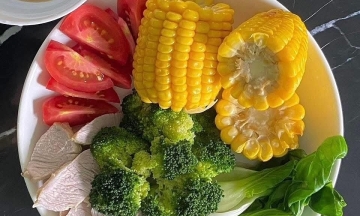
When dining out, instead of deep-fried options, doctors often choose dishes with lean protein and plenty of green vegetables prepared by grilling, steaming, poaching, or stewing at moderate temperatures. If grilling, use low heat, marinate meat beforehand to prevent charring, and minimize prolonged direct exposure to flame.
Small, sustainable changes in daily eating habits are far more effective for disease prevention than overly strict diets. Consuming nutrient-rich foods most of the time and reserving fried foods for special occasions is a scientific approach to long-term health protection.
Binh Minh (According to Parade)