Recent data analysis from the Western Pacific and Southeast Asian regions highlights a significant burden of respiratory syncytial virus (RSV) in children under 5 years old. Specifically, Vietnam records RSV infections in 35.5% of respiratory illness cases in children, placing it behind Myanmar and New Zealand. This pathogen circulates continuously year-round in the country, rather than appearing only seasonally.
During the "Lifelong Immunity Journey" scientific conference held in Quy Nhon, attended by over 400 domestic and international health experts, Professor, Doctor Nguyen Viet Tien, President of the Vietnam Association of Obstetrics and Gynecology, warned that RSV is a common respiratory agent in infants. It can lead to severe sequelae such as asthma and wheezing, with hospitalization rates 5-16 times higher than those for influenza.
Globally, tens of millions of RSV cases occur each year, carrying a high risk of mortality in young children, especially those with immature immune systems. The illness often begins with cold-like symptoms but can quickly progress to bronchiolitis, pneumonia, and respiratory failure.
Most hospitalizations involve infants aged from newborn to 6 months. These are often full-term babies who were healthy before contracting the illness. This situation not only threatens children's health but also drains family finances and burdens the healthcare system. Therefore, Professor Tien emphasized the importance of early risk identification and continuous communication with healthcare personnel, from the pregnancy stage until after the child's birth.
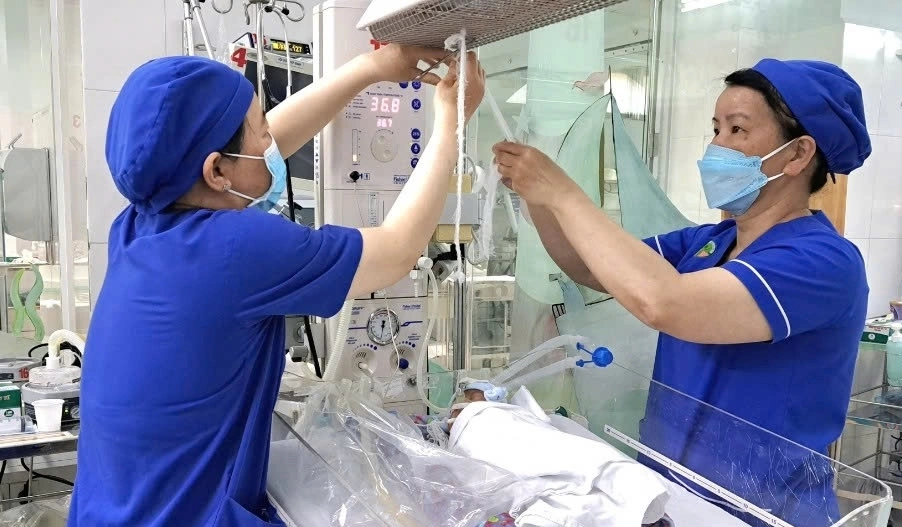 |
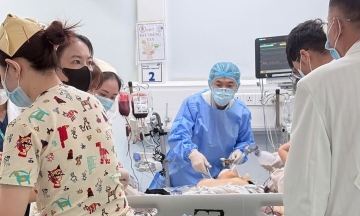
Treating newborns at a pediatric hospital in TP HCM. Photo: Hospital provided
In addition to young children, experts at the conference also highlighted prevention barriers for the elderly and individuals with underlying conditions. Associate Professor, Doctor Le Khac Bao, Deputy Director of University Medical Center Ho Chi Minh City, noted that the aging process rapidly weakens the immune system. Individuals aged 65 and above are highly susceptible to severe respiratory infections. Furthermore, coinfection with both viruses and bacteria can cause a rapid deterioration in health and significantly increase the risk of mortality.
Despite the substantial risks, the rate of people proactively protecting their health remains low. A 2024 survey at a healthcare facility in Hanoi revealed that only 11.5% of adults received pneumococcal vaccination. Moreover, a 2023 survey by the Ministry of Health indicated that less than 6% of the elderly proactively receive annual influenza vaccinations.
Professor Jana Shaw from Upstate University, US, explained that low prevention rates are not necessarily due to a lack of healthcare services. The underlying cause stems from public hesitation and indecision. Many delay preventative measures due to insufficient awareness of virus dangers, concerns about safety, or financial barriers.
To address this issue, Professor, Doctor Phan Trong Lan, Director of the National Institute of Hygiene and Epidemiology, stressed that the healthcare sector needs to shift towards a "lifelong immunity" strategy. This concept requires a lifecycle approach to prevention: considering health protection needs and risks at each developmental stage, age group, and risk group, rather than focusing solely on individual diseases.
Le Phuong