Ginger, a common herb in traditional medicine, has a spicy taste and warm properties, known for its ability to dispel cold, detoxify, and warm the body. Fresh ginger (sinh khuong) is spicy and slightly warm, effective against cold, for expelling phlegm, stopping vomiting, and aiding digestion. Charred ginger (than khuong) treats cold-induced stomach pain and diarrhea. Dried ginger (can khuong) helps dispel cold and treats common colds and acute diarrhea. Ginger peel (khuong bi) acts as a diuretic, reducing edema.
Do Minh Tuan, a traditional medicine practitioner from the Vietnam Traditional Medicine Association, suggests several ginger-based remedies for various conditions:
For oral and throat issues: Ginger contains natural anti-inflammatory and antibacterial compounds, such as gingerol and shogaol. These help soothe swelling, reduce pain, and provide mild antiseptic effects in the mouth and throat. Rinsing with or drinking warm ginger water can alleviate discomfort. However, ginger water does not replace professional treatment. Tooth decay requires dental intervention to remove bacteria, while periodontitis necessitates scaling and medical treatment to prevent gum recession and tooth loss.
For aches, colds, and neck or shoulder pain: Ginger's warmth and inherent heat stimulate blood circulation, relax muscles, and reduce spasms. Soaking hands or feet in warm ginger water can relax nerves and help alleviate headaches caused by stress or cold exposure. Applying a warm ginger water compress mixed with salt or vinegar can relax stiff back and shoulder muscles. These methods offer supportive relief. For chronic pain affecting quality of life or high fever, patients should consult a doctor to identify the underlying cause.
For dermatological and hair care needs: Ginger stimulates blood circulation in the scalp, which can help with mild dandruff caused by fungi or dry skin. Soaking feet in warm ginger water with salt and vinegar helps eliminate odor-causing bacteria and keeps feet dry. Exercise caution when applying ginger water to facial skin; always perform a patch test on a small area before full application.
Warm ginger water helps warm the stomach and reduce nausea after alcohol consumption. It is important to also drink plain water, electrolyte solutions, or fruit juice to help the body eliminate alcohol more effectively. Additionally, thoroughly roasted and peeled ginger, sliced and swallowed, or held in the mouth, can treat malaria and coughs with phlegm. Fresh ginger steeped in water can treat stomachaches and bloating.
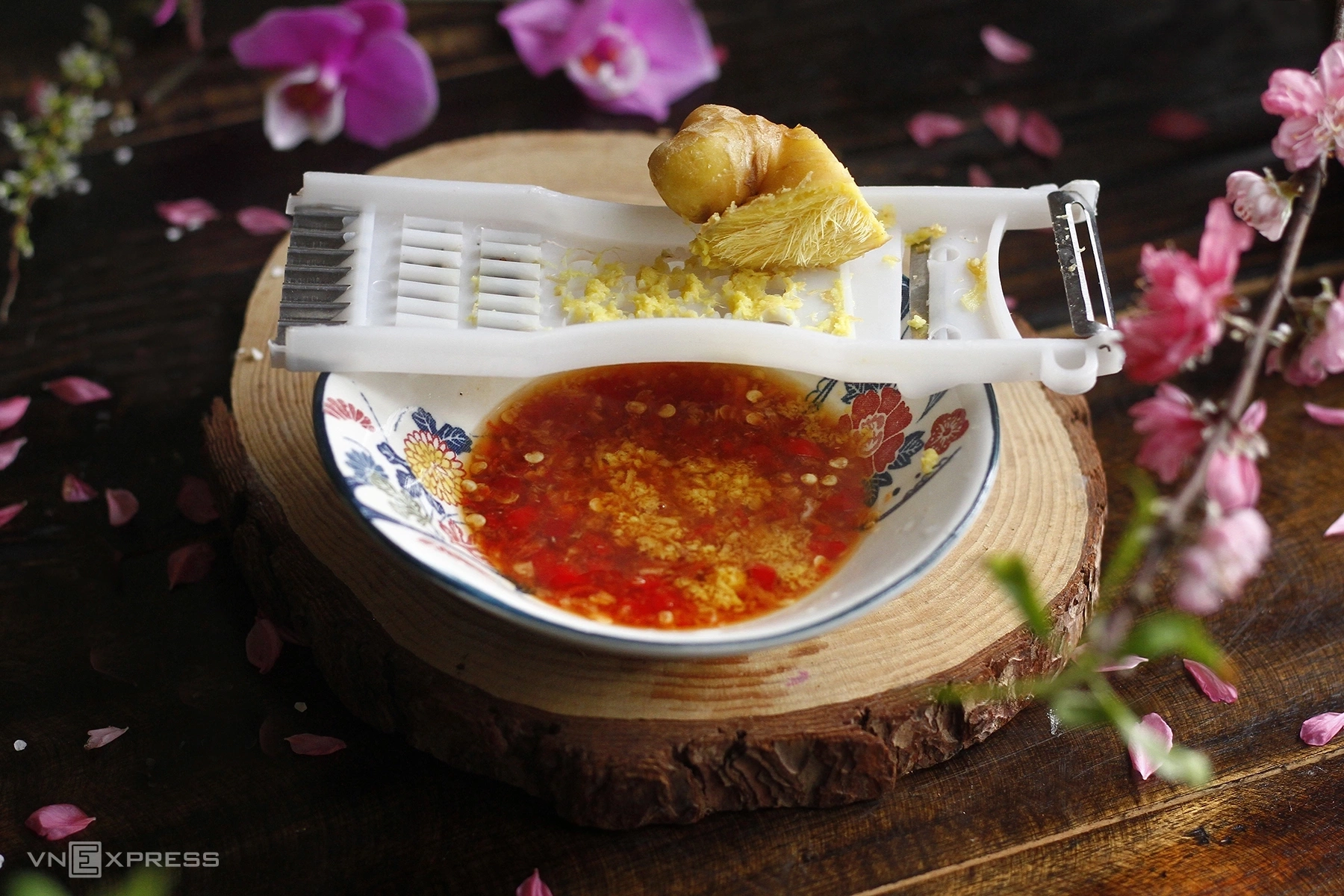 |
Illustrative photo: Bui Thuy |
Three important principles for using ginger water:
First, do not regard ginger as a "miracle cure" that replaces conventional medicine. Ginger serves as a supportive remedy, particularly effective for ailments caused by cold or deficiency-cold conditions. Solely relying on ginger water may delay critical treatment for serious medical conditions.
Second, ginger has warm and hot properties, so individuals with a "hot" constitution should avoid or limit its use. This includes those who frequently experience internal heat, acute stomach pain, nosebleeds, bleeding hemorrhoids, or high fever.
Third, consume ginger water in the morning or during the day to stimulate qi and blood circulation. Avoid drinking large amounts of concentrated ginger water late at night, as it can cause restlessness and difficulty sleeping.
"Always listen to your body and consult a doctor or health professional before applying folk remedies for chronic diseases," the traditional medicine practitioner advises.
Thuy An