Dr. Nguyen Hoai Thu, from the Vietnam Institute of Applied Medicine, explains that belly fat is notoriously difficult to lose. It also accumulates easily due to various factors such as stress, poor sleep, nutrient-poor foods high in sugar and saturated fats, a sedentary lifestyle, or hormonal changes. For women, declining estrogen during menopause can increase fat storage in the abdominal area.
Aging also works against you in the process of reducing belly fat. Testosterone increases and maintains muscle mass in men. As men age and their testosterone levels decrease, their bodies tend to lose muscle and gain weight. This can alter body fat distribution, even without significant weight gain. Fat previously concentrated in the chest, hips, and thighs may shift to the abdominal region.
Excess belly fat increases the risk of various health issues, including type 2 diabetes, certain cancers, cardiovascular problems, and elevated bad cholesterol. Below are 10 effective ways to help reduce belly fat:
Limit sugar and sweets
You should limit your added sugar intake to less than 10% of your total daily calories. Using certain applications to track daily calorie intake can help you scrutinize the foods you eat.
Avoid alcohol and alcoholic beverages
Alcoholic beverages contain unnecessary calories that can increase your waistline. Additionally, some alcoholic drinks, like cocktails, are high in sugar, contributing to increased belly fat.
Eat more green vegetables and fiber
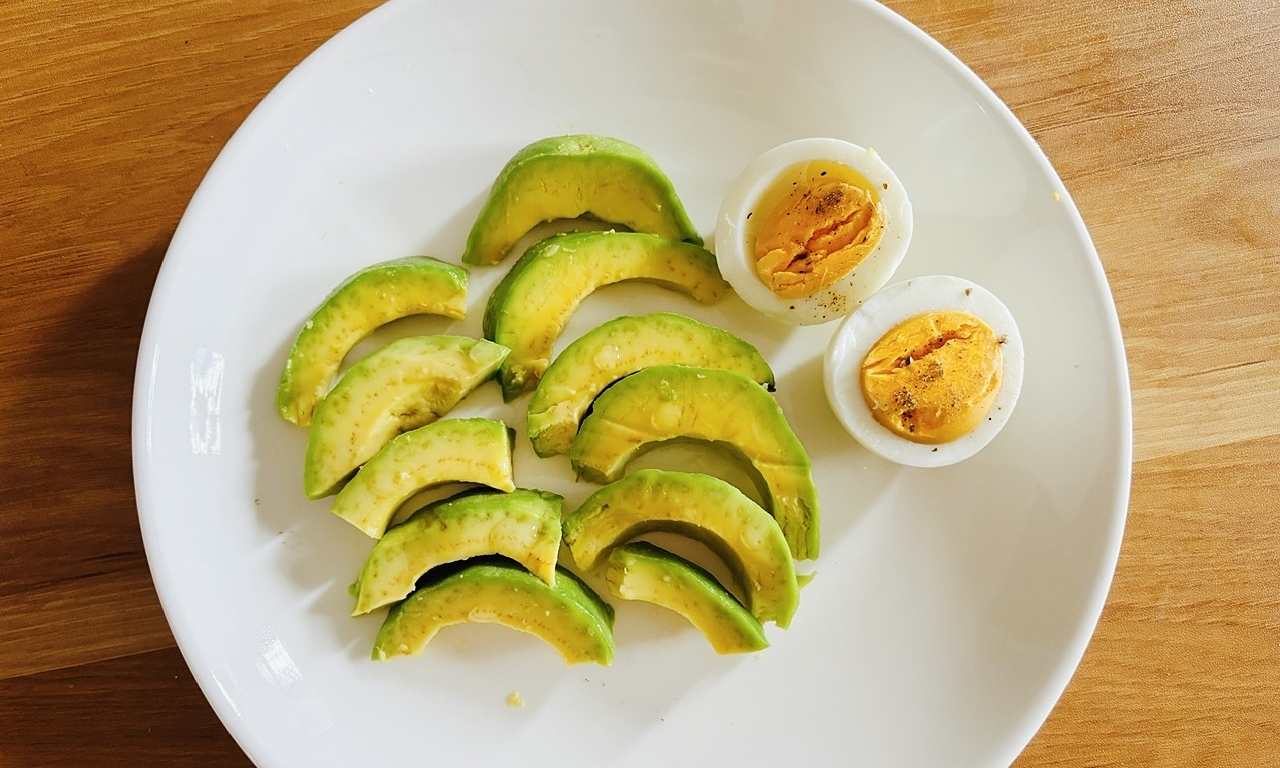
Incorporate more vegetables such as broccoli and spinach into your diet. Vegetables are rich in fiber, which helps you feel full faster and improves digestive system efficiency. This is crucial because constipation and bloating issues often resolve when you consume more fiber-rich fruits and vegetables.
Eat balanced, nutritious meals
Aim for three meals a day that include adequate amounts of protein, complex carbohydrates, and healthy fats. Foods rich in complex carbohydrates include beans, oatmeal, and whole wheat bread.
Increase protein in your diet
Protein digests slower than carbohydrates, helping you feel satiated longer. Digesting protein also burns more calories compared to simple carbohydrates and fats. Consuming approximately 30% of your calories from protein can help meet daily needs and provide enough protein for your body, aiding metabolism and appetite control. Good protein sources include: beans, fatty fish like salmon, Greek yogurt, and poultry.
Practice abdominal breathing to reduce stress
When stressed, your body releases cortisol, which contributes to increased belly fat. You can learn to manage your emotional responses to prevent high cortisol levels by regulating your breathing with controlled breaths: Practice slow breathing, inhaling through your nose and then slowly exhaling while pursing your lips (as if whistling). Abdominal breathing can lower your heart rate and reduce stress hormones.
Exercise cardio correctly
Cardio exercises combined with resistance training build endurance and promote long-term, sustainable belly fat reduction. You can incorporate exercises with weights, pilates, or resistance bands. Regardless of your chosen cardio exercise, perform it consistently for the best results. Dedicate 30-60 minutes to dancing, walking, jogging, or swimming 5 times a week. You should also add 30 minutes of strength training, 3 times a week, and stretch daily.
Focus on abdominal exercises
Exercises that target the midsection alone will not quickly reduce belly fat. You need to combine a healthier diet, cardio, and resistance training with specific abdominal exercises. Your core muscles are located in your back, abdomen, hips, and pelvic area. Strengthening these muscles can improve your abdominal definition, and when combined with cardio, will make a difference in reducing belly fat. Exercises like planks and crunches can improve your abdominal area.
Get enough sleep
Adults need 7-9 hours of sleep each night. Sleep also helps control appetite, as lack of sleep can increase cravings. You might opt for foods high in sugar and unhealthy fats during late-night meals, which contributes to belly fat gain.
Ways to improve your sleep include: Trying to go to bed and wake up at the same time daily, creating a pre-sleep routine to help you relax such as meditation, deep breathing exercises, or yoga, and avoiding electronic devices before bed.
Regularly monitor belly fat progress
When focusing on belly fat reduction, measuring progress makes you more aware of your waistline, motivating further reduction. Measure your waist and take front, back, and side photos, then continue to measure and photograph each week. You can also wear non-stretch pants to feel any changes in tightness or looseness over time. Slow and steady changes can lead to long-term belly fat reduction, providing motivation to maintain good daily habits.
Thuy Quynh