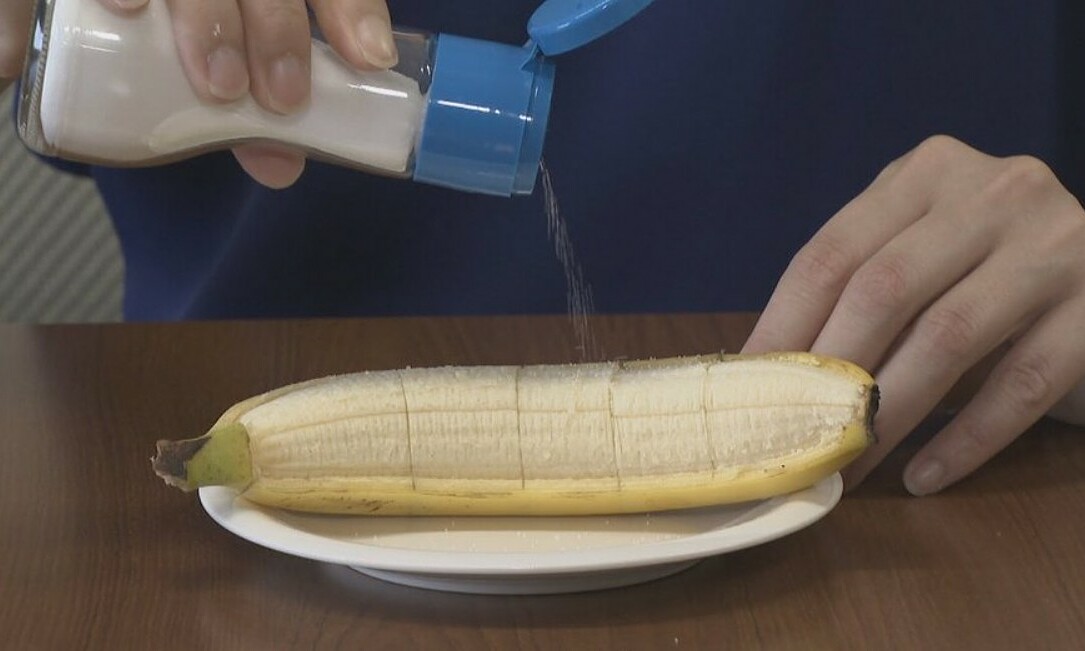
Normally, the lower esophageal sphincter, a ring of muscle that moves food into the stomach and then contracts to prevent gastric juices from flowing back, protects the esophagus from stomach acid. When this sphincter relaxes or functions inefficiently, stomach acid and food can reflux into the esophagus, causing uncomfortable symptoms.
Certain foods in the daily diet can stimulate or worsen symptoms of gastroesophageal reflux, such as chest burning, heartburn, acid regurgitation, bloating, and stomach pain. Therefore, choosing appropriate foods can help manage symptoms and limit reflux episodes.
Patients should prioritize the three food groups below to help reduce reflux and heartburn.
Fiber-rich foods
Fiber-rich foods increase feelings of fullness, curbing overeating in one meal, which in turn reduces pressure on the stomach and the risk of heartburn. Patients should consume fiber from healthy sources such as whole grains including oats and brown rice; root vegetables like sweet potatoes, carrots, and beets; and green vegetables such as asparagus, broccoli, water spinach, and jute mallow.
According to WebMD, individuals with reflux should prioritize boiled, steamed, or soup-based dishes, and limit deep-fried or battered vegetables, as these can lead to indigestion, bloating, and increased digestive pressure.
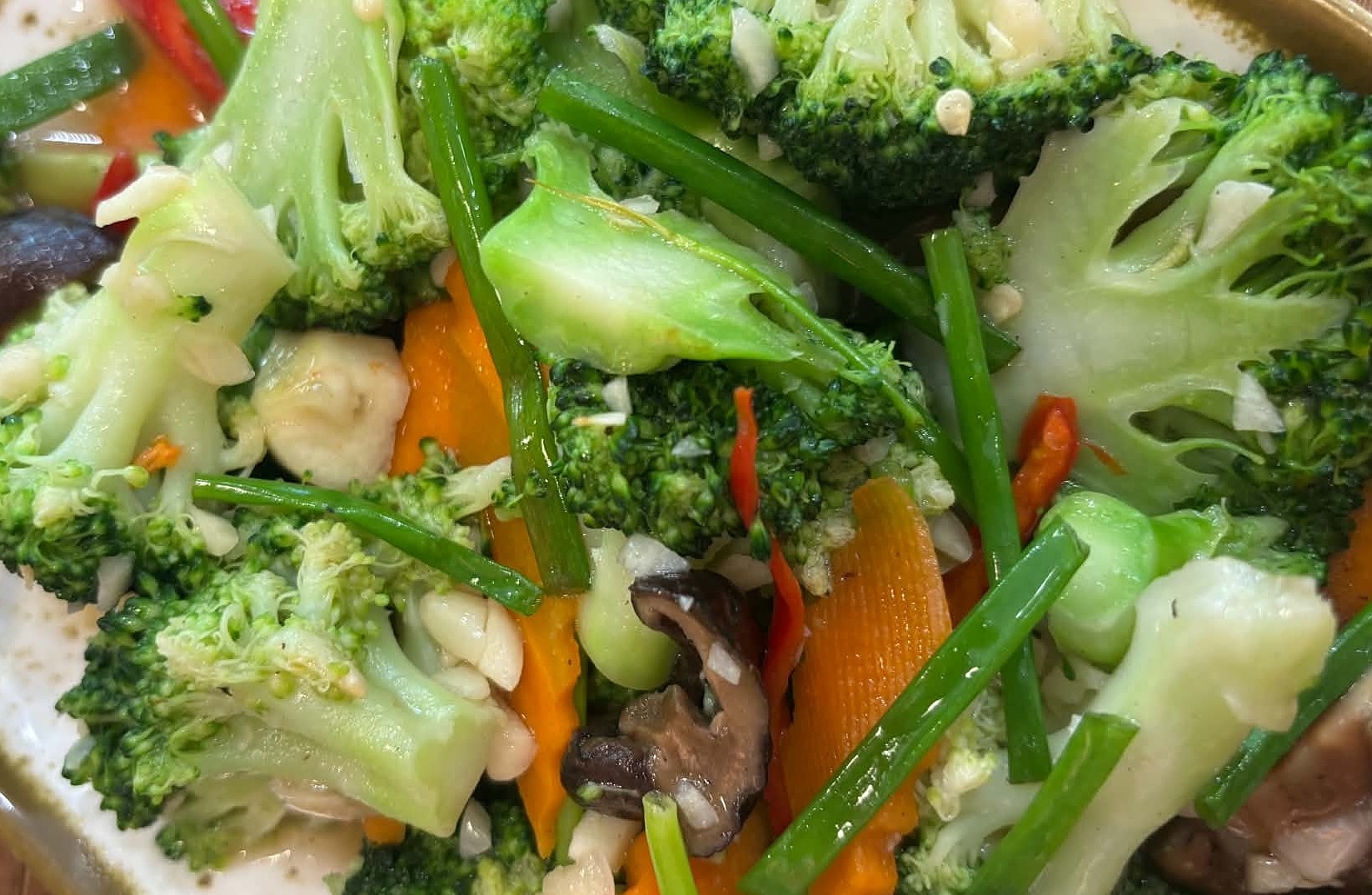 |
Broccoli is rich in nutrients that promote satiety, reducing stomach pressure. *Photo: Anh Chi*
Alkaline foods
Food pH is determined on a pH scale, reflecting its acidity or alkalinity. Foods with a low pH are acidic, while those with a higher pH are alkaline. Some acidic foods can stimulate or worsen gastroesophageal reflux symptoms in certain individuals.
Alkaline foods include: bananas, watermelon, cauliflower, and dill, along with some nuts like walnuts, almonds, macadamias, and pistachios. While bananas and watermelon can be incorporated into the diet, individuals with reflux symptoms should monitor their body's reaction, avoiding excessive consumption at one time.
Ginger is also commonly used to aid digestion. This spice contains compounds with anti-inflammatory properties, which may help alleviate some gastrointestinal discomfort. However, ginger should not be considered a food capable of neutralizing stomach acid or treating reflux.
Water-rich foods
Foods containing a high water content help hydrate the body, support digestion, and reduce discomfort caused by reflux. Patients should consume celery, lettuce, and cucumbers; and water-rich fruits such as pears, watermelon, berries, and coconut. Adding soup or broth to meals can also increase water intake.
Lemon water is acidic and therefore not suitable for all individuals with reflux. If consumed, it should be diluted, and individuals should monitor their body's reaction, avoiding use if heartburn or acid regurgitation symptoms worsen. Honey contains antioxidant compounds, but there is insufficient evidence to suggest that lemon water mixed with honey can neutralize stomach acid or treat reflux.
Patients should limit fried foods, fast food, pizza, french fries, spicy dishes, fatty meats, processed meats, citrus fruits, and carbonated, sugary drinks. These foods can slow digestion, increase stomach pressure, or cause the esophageal sphincter to relax, thereby exacerbating reflux symptoms.
By Anh Chi (Compiled)
| Readers can submit questions about digestive diseases here for a doctor's response |