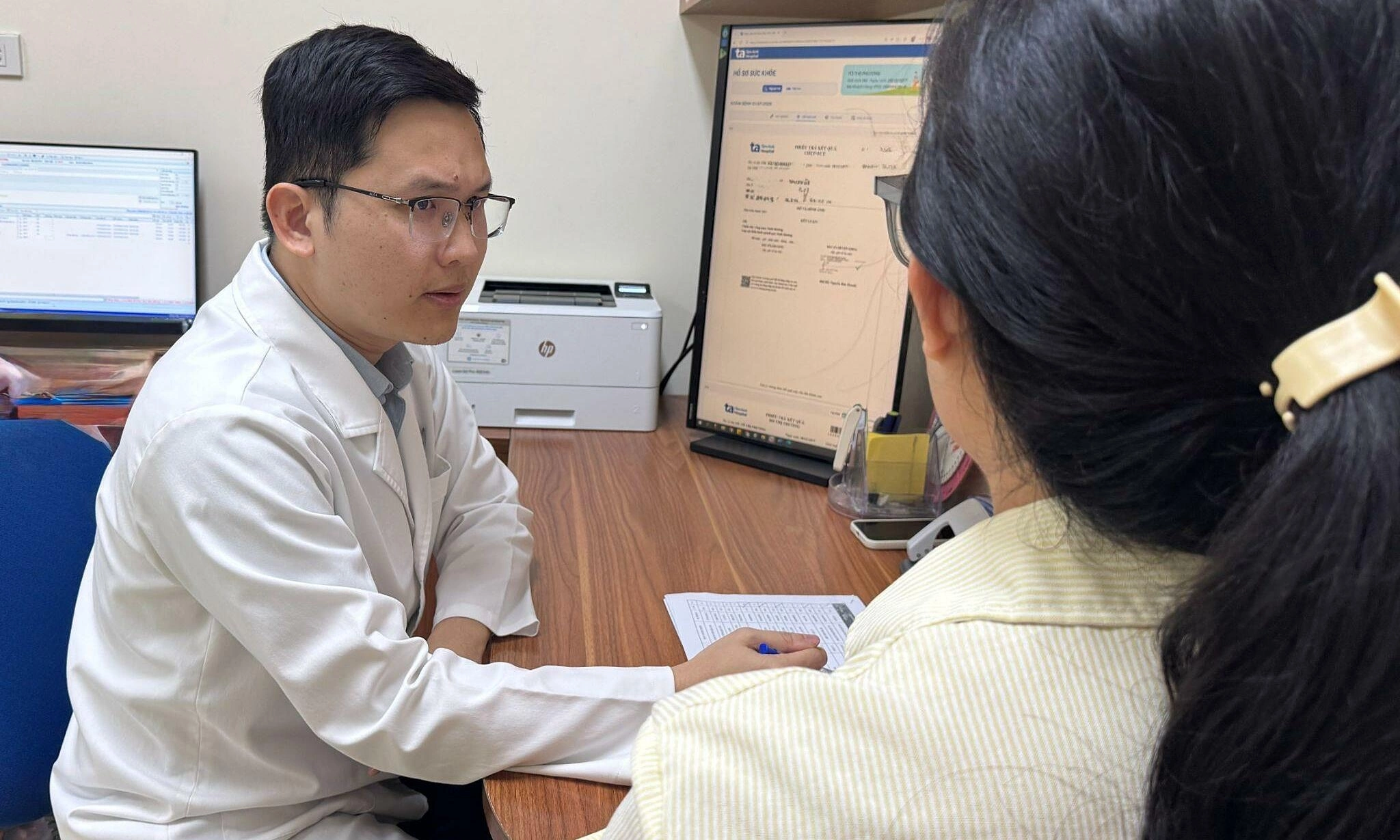
Following the diagnosis, Chau underwent an examination involving cycloplegic eye drops to paralyze accommodation, after which her refractive errors were re-evaluated. According to Doctor Le Thanh Huyen, from the High-tech Eye Center at Tam Anh General Hospital Hanoi, the child's blurry vision was primarily linked to an accommodative dysfunction rather than structural changes in the eyeball, as seen in true myopia. Chau's family noted that she enjoyed playing with Lego, often spending considerable time focusing on small details at close range. This habit likely contributed to her accommodative disorder, mimicking symptoms of nearsightedness.
Pseudo-myopia, also known as accommodative spasm, typically occurs when the eyes engage in prolonged near-work. During such activities, the ciliary body constantly contracts to adjust the lens, enabling clear vision up close. Without adequate rest, the ciliary body struggles to relax when shifting focus to distant objects. This prevents images from properly converging on the retina, causing distant vision to appear blurry, similar to true nearsightedness.
Doctor Huyen explained that the key difference between pseudo-myopia and true myopia lies in its origin: pseudo-myopia stems from a functional accommodative disorder, not structural changes in the eyeball. Therefore, with early detection, lifestyle adjustments, and adherence to prescribed treatment, the eye's accommodative function can recover, and vision can improve.
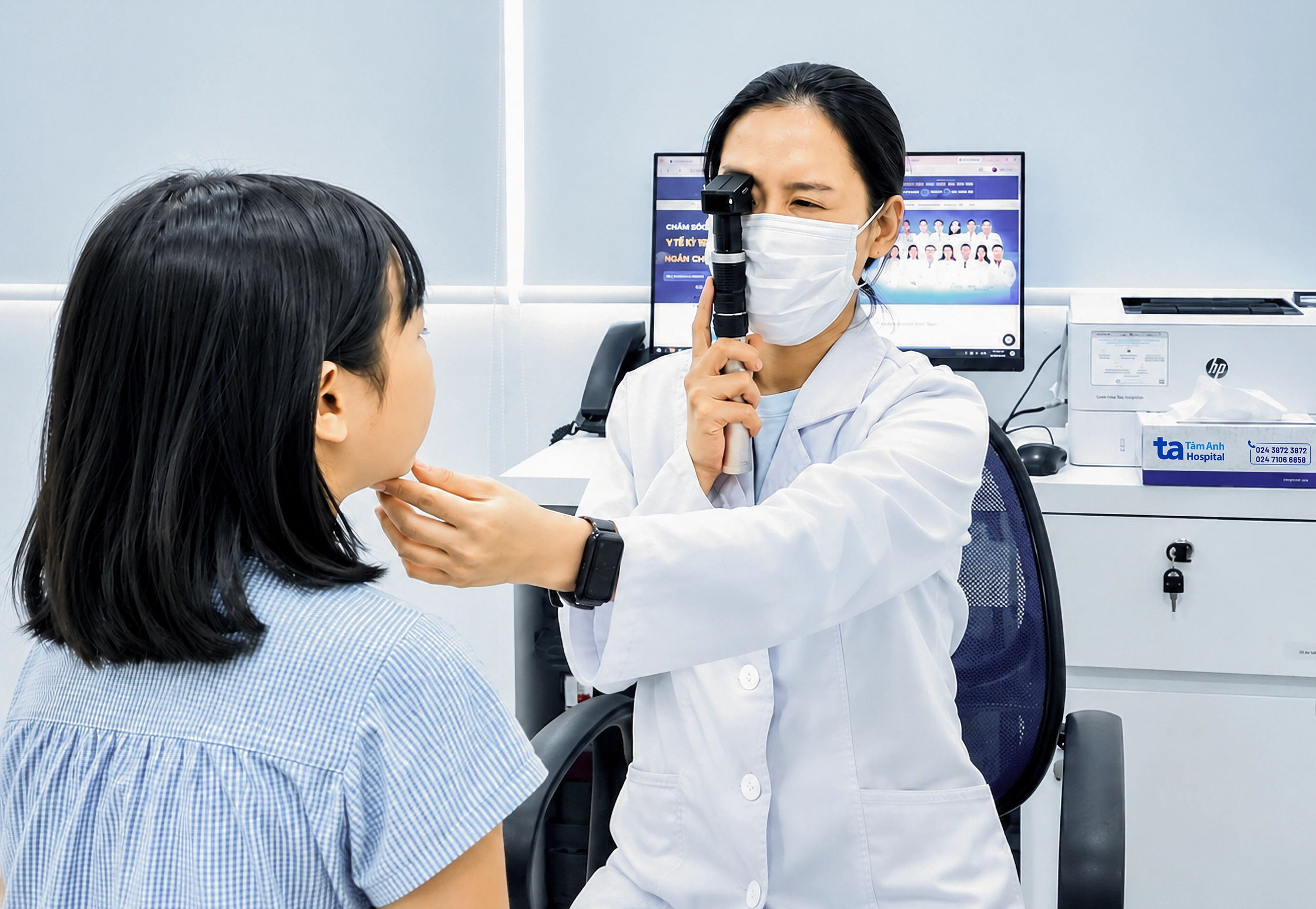 |
Doctor Huyen examines Chau's eyes. Photo: Tam Anh General Hospital |
The doctor advised Chau to modify her daily habits, encouraging more outdoor activities and limiting prolonged near-vision tasks such as playing with Lego, watching television, or using phones and computers. When studying, children should maintain proper posture, ensure adequate lighting, and take eye breaks every 20-30 minutes.
After two months of following the doctor's instructions and adjusting her lifestyle, Chau's vision stabilized, and her accommodative function returned to normal. She no longer needed to wear glasses and continues with periodic follow-up appointments.
When children experience blurry vision or frequently squint, parents should not hastily conclude that their child is nearsighted. According to doctors, some cases are merely pseudo-myopia resulting from excessive eye accommodation. A professional eye examination at a specialized facility helps fully assess refractive errors and accommodative function, leading to a correct diagnosis and appropriate treatment, thus avoiding unnecessary glasses.
Thu Giang
*Patient's name has been changed
| Readers can submit questions about ophthalmological conditions here for doctors to answer. |