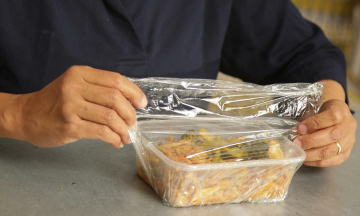
Fermented shrimp paste, a popular rustic dish in northern regions, is made by fermenting fresh shrimp or krill with salt over a long period to create its distinctive flavor. However, if preparation and preservation processes are not hygienic, fermented shrimp paste can harbor many pathogens transmitted through the digestive tract, such as cholera, typhoid, hepatitis A, and E.coli.
Cholera is caused by the bacterium Vibrio cholerae. When it enters the body, the bacteria attack the intestines, leading to severe diarrhea, vomiting, and rapid dehydration. Patients can experience shock, a drop in blood pressure, and even death.
Typhoid is caused by the bacterium Salmonella typhi. Upon entering the body through the digestive tract, the bacteria attack the intestinal lining and spread into the bloodstream. Those infected often experience prolonged high fever, abdominal pain, diarrhea or constipation, and a red rash. The disease can lead to dangerous complications such as gastrointestinal bleeding and intestinal perforation.
Hepatitis A virus primarily spreads through contaminated water and food. Food handlers infected with hepatitis A can also transmit the disease unintentionally. The virus causes unpleasant symptoms such as fatigue, nausea, abdominal pain, loss of appetite, mild fever, jaundice (yellow skin), and yellow eyes. The virus can also damage liver cells, affecting liver function. Although it rarely causes chronic illness, patients face a risk of liver failure if they do not receive timely medical care.
Furthermore, fermented shrimp paste can contain other intestinal bacteria like E.coli, which causes diarrhea, or parasites. This is often due to manual fermentation processes, where temperature and salt levels are difficult to control. When consumed with dishes like rice vermicelli, raw vegetables, and pickled eggplant, or other foods that undergo minimal heat processing, the risk of food poisoning or intestinal infection increases.
 |
Fermented shrimp paste is a distinctive seasoning for many delicious dishes, but hygiene must be ensured to prevent disease transmission. Photo: Bui Thuy |
Fermented shrimp paste is a distinctive seasoning for many delicious dishes, but hygiene must be ensured to prevent disease transmission. Photo: Bui Thuy
Therefore, you should purchase fermented shrimp paste from reputable establishments that have proper labeling and food safety certifications. When consuming it, your family should boil the fermented shrimp paste, stirring it thoroughly multiple times to eliminate bacteria. Additionally, limit the use of unhygienic raw vegetables and always wash your hands thoroughly before eating.
Among the diseases mentioned, vaccines are available for hepatitis A, cholera, and typhoid. You and your family should get vaccinated to build active antibodies in your bodies. The hepatitis A vaccine comes in a single dose type and a combination type that also protects against hepatitis B. The single dose is indicated for individuals from one year to under 16 years old, or from two years to under 18 years old, depending on the vaccine type, with two doses administered at least six months apart. The combination dose is for children from one year old and adults.
The cholera vaccine is administered orally, for individuals from two years old, with a schedule of two doses at least two weeks apart. The typhoid vaccine involves one injection, for individuals from two years old, with a booster dose every three years if there is a risk of infection.
Dr. Doan Thi Khanh Cham
(Medical Manager, VNVC Vaccination System)
Readers can submit vaccine consultation questions for the doctor to answer here.