High blood pressure, also known as hypertension, occurs when the force of blood against artery walls remains elevated over an extended period. Over time, this condition can damage blood vessels, increasing the risk of heart attack, stroke, and other cardiovascular diseases.
Dark chocolate, made from cacao, contains flavanols and epicatechin. These compounds help the inner lining of blood vessels produce more nitric oxide. Nitric oxide promotes blood vessel relaxation and even dilation, reducing internal pressure. This process improves vascular function and helps maintain stable blood pressure.
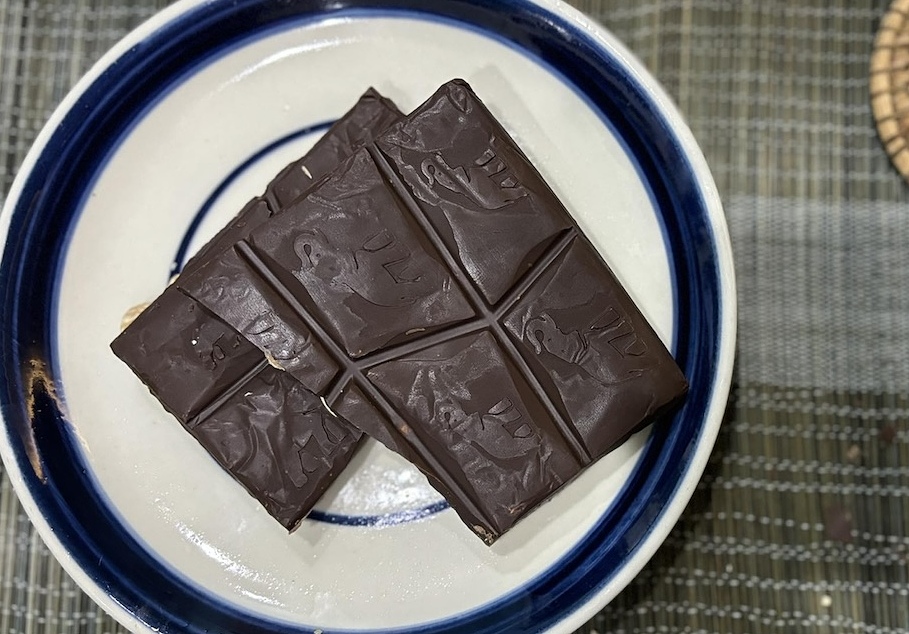 |
Chocolate is rich in antioxidants. *Anh Chi* |
Regular consumption of dark chocolate also lowers the risk of cardiovascular disease and stroke due to the anti-inflammatory properties of its abundant flavonoid and polyphenol antioxidants. Furthermore, dark chocolate helps decrease low-density lipoprotein (bad LDL) cholesterol and increase high-density lipoprotein (good HDL) cholesterol. LDL is a primary contributor to plaque buildup in arteries, elevating the risk of heart disease and stroke.
This treat contains serotonin and phenylethylamine, compounds that help reduce stress, support metabolism, regulate the immune system, and benefit cardiovascular health.
Excess body fat places strain on the heart muscle, leading to metabolic disorders like dyslipidemia and diabetes, as well as chronic inflammation. This excess fat promotes the development of hypertension and atherosclerosis. Conversely, consuming dark chocolate without added sugar or flavor can help burn fat, aid in weight loss, and prevent obesity.
To maximize chocolate's benefits, choose pure varieties or those with low sugar and high cacao and flavanol content. Look for products clearly stating the cacao percentage on the label. If preparing hot chocolate, opt for 100% pure cacao. Given chocolate's high fat and calorie content, consume it in moderation (around 20-30 g daily) to avoid weight gain. Individuals sensitive to caffeine, suffering from migraines, or experiencing acid reflux should avoid chocolate.
Beyond chocolate consumption, everyone should protect their cardiovascular health by exercising regularly, for at least 30 minutes daily, five days a week. Avoiding staying up late, managing stress, refraining from alcohol, and not smoking are also crucial.
Additionally, increase your intake of other flavanol-rich foods such as black tea, green tea, cinnamon, grapes, and apples. Limit processed meats like sausages, ham, and cold cuts. Instead, prioritize fiber-rich green vegetables and fruits, salmon, eggs, and poultry, which provide healthy fats and lean protein beneficial for the heart.
Anh Chi (According to Very Well Health, Mayo Clinic)