As age increases, bone density and strength tend to decrease. Bone loss is a natural aging process, particularly in women. Estrogen helps maintain bone strength, so when its levels decline during menopause, typically around age 50, bone loss can accelerate. However, certain habits can help actively maintain strong bones as you get older.
Include calcium in meals
Calcium is an important component of bone structure. When the diet does not provide enough calcium, the body may draw this mineral from the bones to maintain blood calcium levels, which can affect bone health in the long term.
According to the National Institutes of Health (NIH) in the US, women aged 51 and older need about 1,200 mg of calcium daily; men need 1,000 mg daily until age 70, increasing to 1,200 mg thereafter. Milk and dairy products, green leafy vegetables, soybeans, and calcium-fortified foods are common sources. It is advisable to distribute calcium-rich foods throughout meals rather than consuming the entire required amount at once.
Ensure adequate vitamin D intake
Vitamin D helps the body absorb calcium, playing a crucial role in maintaining bone health. Adults need about 600 IU of vitamin D daily, increasing to 800 IU after age 70.
Fatty fish, egg yolks, and certain vitamin D-fortified foods can be added to the diet. The body also synthesizes vitamin D when skin is exposed to sunlight. However, one should not self-administer high-dose vitamin D supplements.
Maintain regular physical activity
Bones also need regular activity to maintain strength. Weight-bearing exercises like walking, climbing stairs, and strength training can create forces that impact bones, thereby supporting the maintenance of bone density.
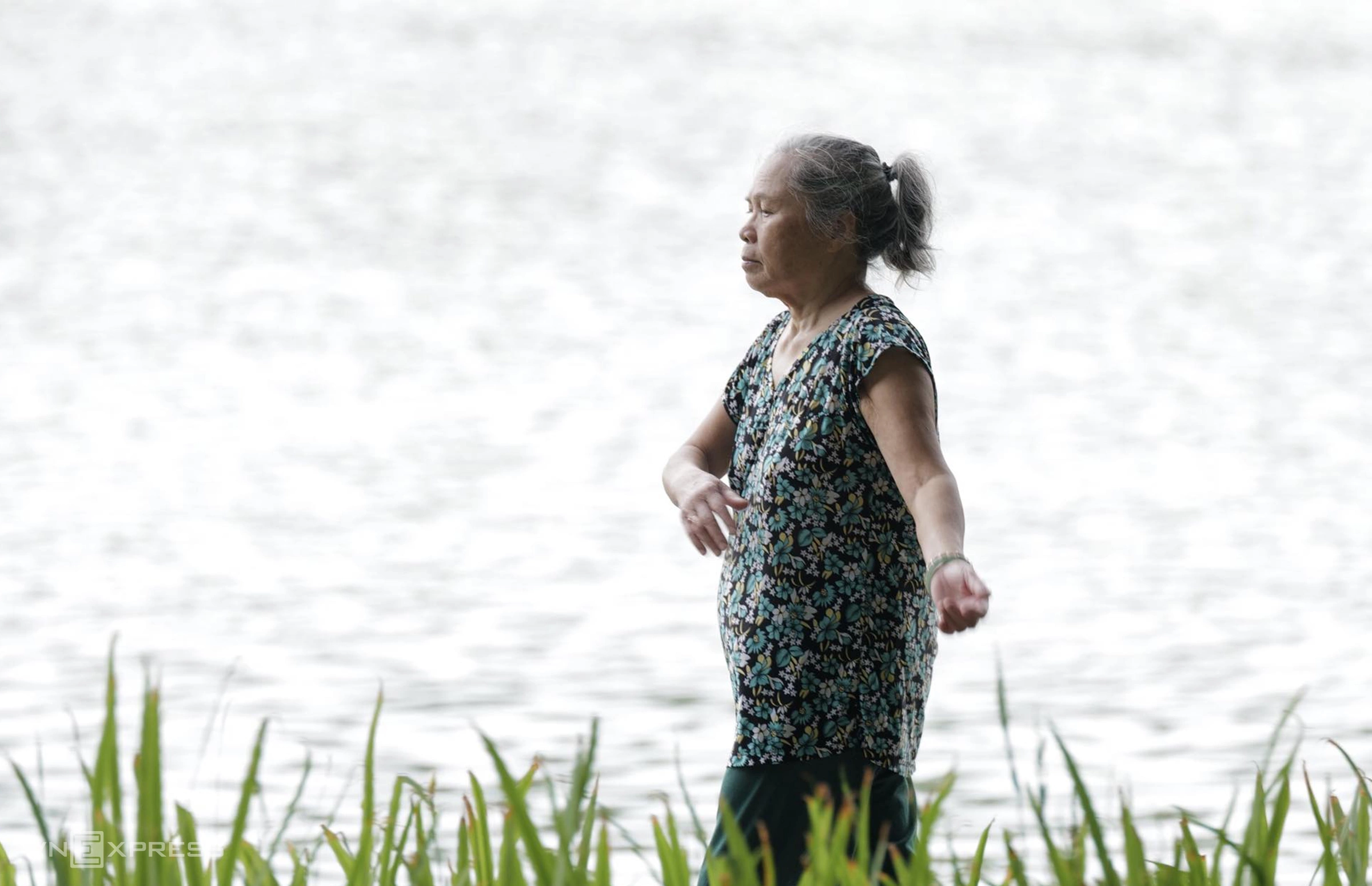 |
Regular walking contributes to overall health and bone density. Photo: Ngoc Thanh |
Physical activity also helps increase muscle strength, balance, and gait, which can reduce the risk of falls. Older adults should maintain physical activity appropriate for their abilities, potentially dividing it into several short intervals throughout the day. For sedentary individuals, walking is still better than prolonged sitting or lying down.
Consume enough protein
Calcium is often highlighted when discussing bone health, but protein also plays an important role. Advanced age often involves a loss of muscle mass and strength. When muscles are weak, mobility decreases, and the body also places less stress on the bones.
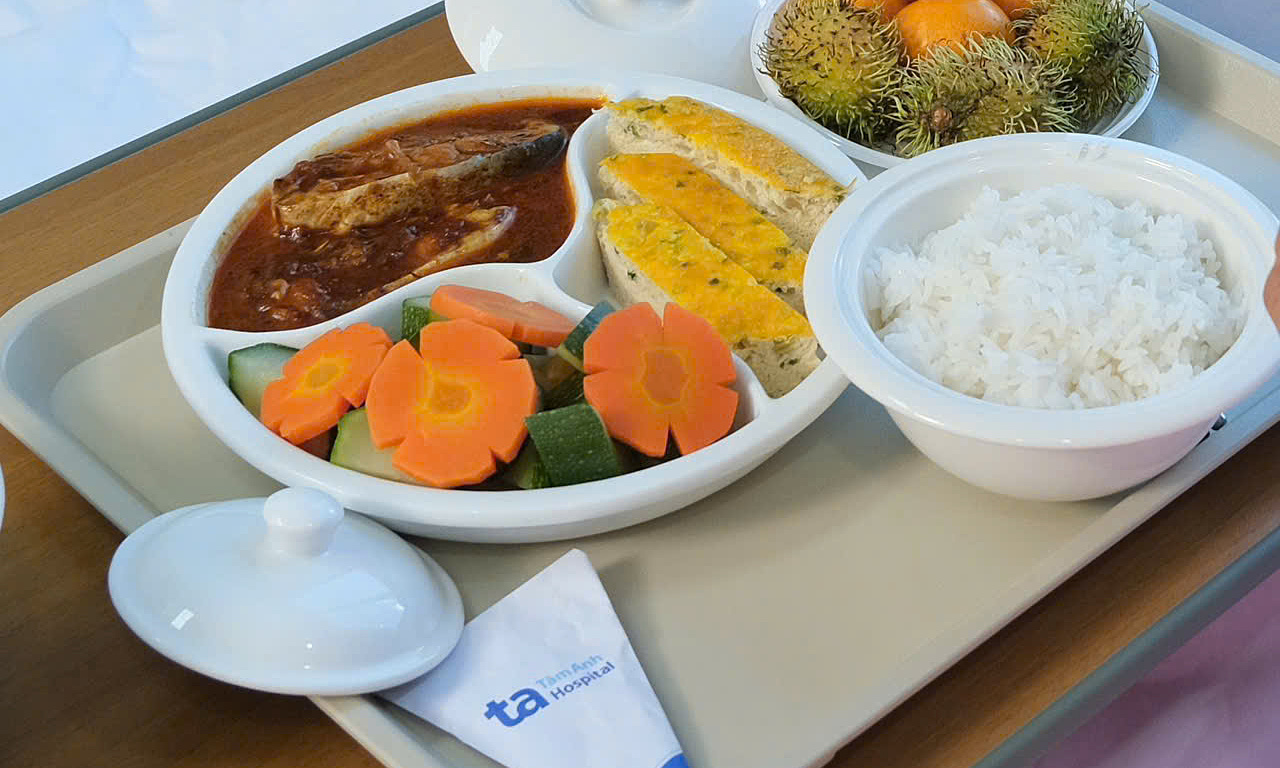
Poultry, fish, eggs, yogurt, beans, tofu, and other lean protein sources can be incorporated into meals to maintain muscle mass, support mobility, and promote bone health.
Limit alcohol consumption
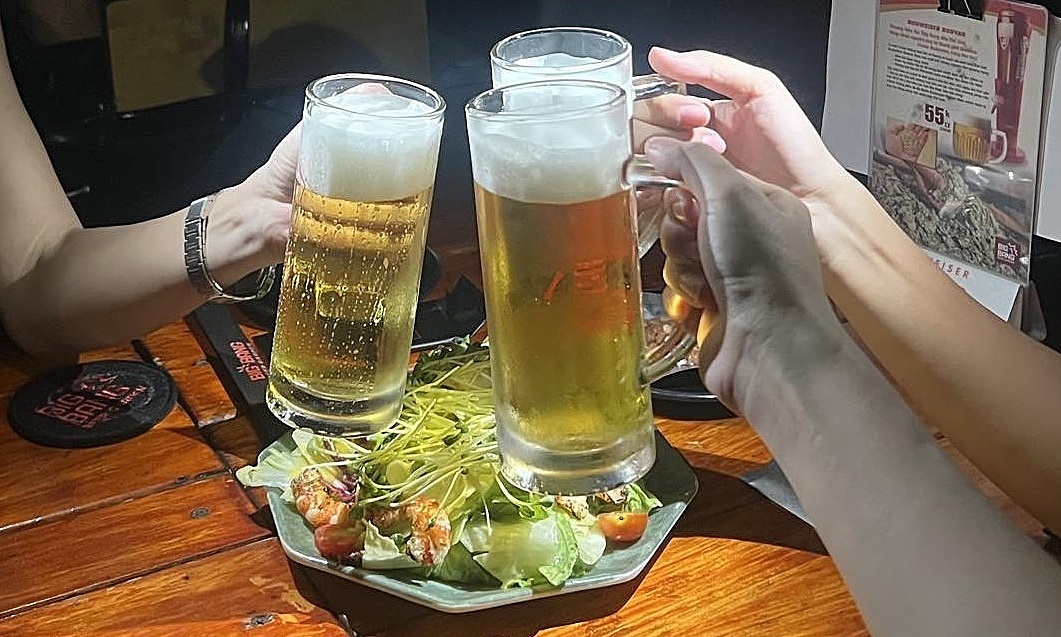
Heavy alcohol consumption can affect calcium absorption and vitamin D metabolism, and it is linked to an increased risk of osteoporosis and fractures. Therefore, older adults or those already at risk of osteoporosis should limit alcohol.
Prevent falls
For older adults, a fall can lead to fractures, especially when bone density has already decreased. Therefore, protecting bones involves not only strengthening them but also reducing the risk of falls.
Older adults should wear well-fitting footwear with good grip; keep floors dry and tidy, removing electrical cords or objects that could cause tripping. Bathrooms, stairs, and frequently used areas need to be arranged safely.
Regular health check-ups and screenings
Osteoporosis often progresses silently, causing no pain or obvious symptoms until a fracture occurs. Therefore, one should not rely solely on how the body feels to assess bone health.
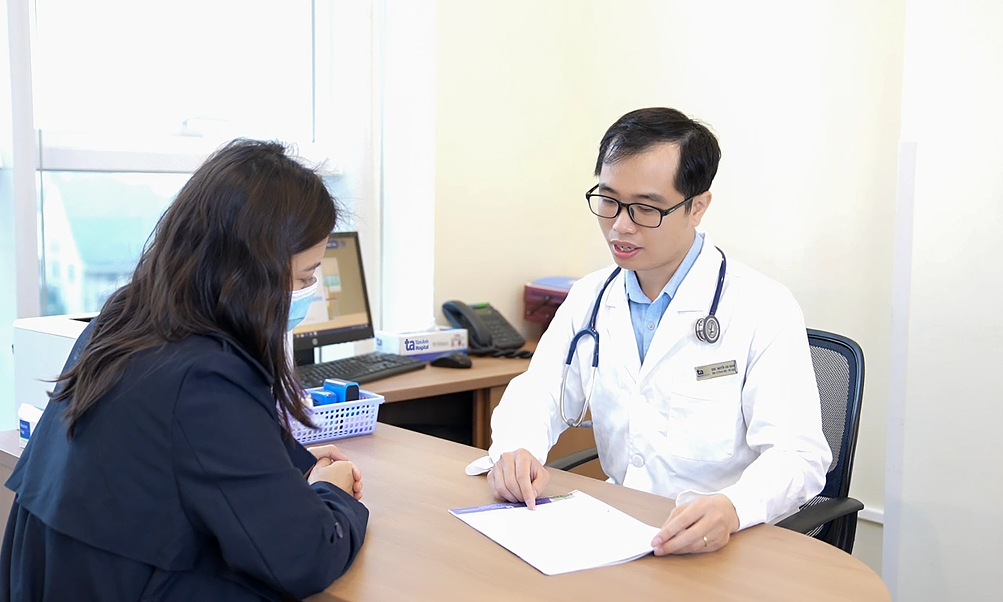
Individuals in high-risk groups should discuss bone density checks and appropriate preventive measures with their doctor. The risk of osteoporosis also depends on age, gender, hormones, family history, medical conditions, and certain medications being used.
By Bao Bao (Compiled)