Sleep allows the body to rest and recover. During deep sleep, sympathetic nervous system activity decreases, and heart rate and blood pressure lower, giving the cardiovascular system a period of rest. Master of Science, Doctor Nguyen Thi Nhung, from the Department of Cardiovascular Internal Medicine at the Tam Anh General Hospital, Ho Chi Minh City, highlights the effects of sleep deprivation.
Hypertension
In healthy individuals, blood pressure typically decreases by 10-20% during sleep compared to daytime, a phenomenon known as nocturnal dipping. When sleep is insufficient or frequently interrupted, blood pressure does not decrease normally at night. Concurrently, sympathetic nervous system activity and stress-related hormones increase. If these changes persist, they contribute to an elevated risk of hypertension.
When treating patients with hypertension, doctors often inquire about sleep patterns, snoring, nocturnal awakenings, daytime sleepiness, and co-occurring cardiovascular risk factors. If necessary, patients may undergo 24-hour blood pressure monitoring to record daily and nocturnal fluctuations, allowing for tailored management strategies.
 |
Doctor Nhung advises patients on a heart-healthy lifestyle. Photo: Tam Anh General Hospital. |
Coronary artery disease and myocardial infarction
Coronary artery disease occurs when atherosclerotic plaques form and develop within the walls of the coronary arteries, the blood vessels supplying blood to the heart muscle. Chronic sleep deprivation is linked to increased sympathetic nervous system activity, metabolic dysfunction, and low-grade inflammation. These mechanisms contribute to the progression of atherosclerosis.
However, this does not mean that just a few nights of insufficient sleep will directly cause a myocardial infarction. Cardiovascular risk results from a combination of factors, including hypertension, diabetes, dyslipidemia, smoking, obesity, physical inactivity, stress, and chronic sleep disorders.
Cardiovascular risk assessment is based on the totality of these factors rather than solely on sleep duration. Depending on age, symptoms, and individual risk, doctors may order tests such as an electrocardiogram, echocardiogram, blood glucose tests, or lipid panels.
Heart failure
Chronic sleep deprivation can increase the risk of heart failure by forcing the heart to work excessively for extended periods. When sleep is inadequate, the body releases more stress hormones like cortisol and adrenaline, leading to a rapid heart rate, increased blood pressure, and constricted blood vessels. Sleep deprivation also elevates inflammation in the body, which can contribute to obesity and diabetes—factors associated with heart failure.
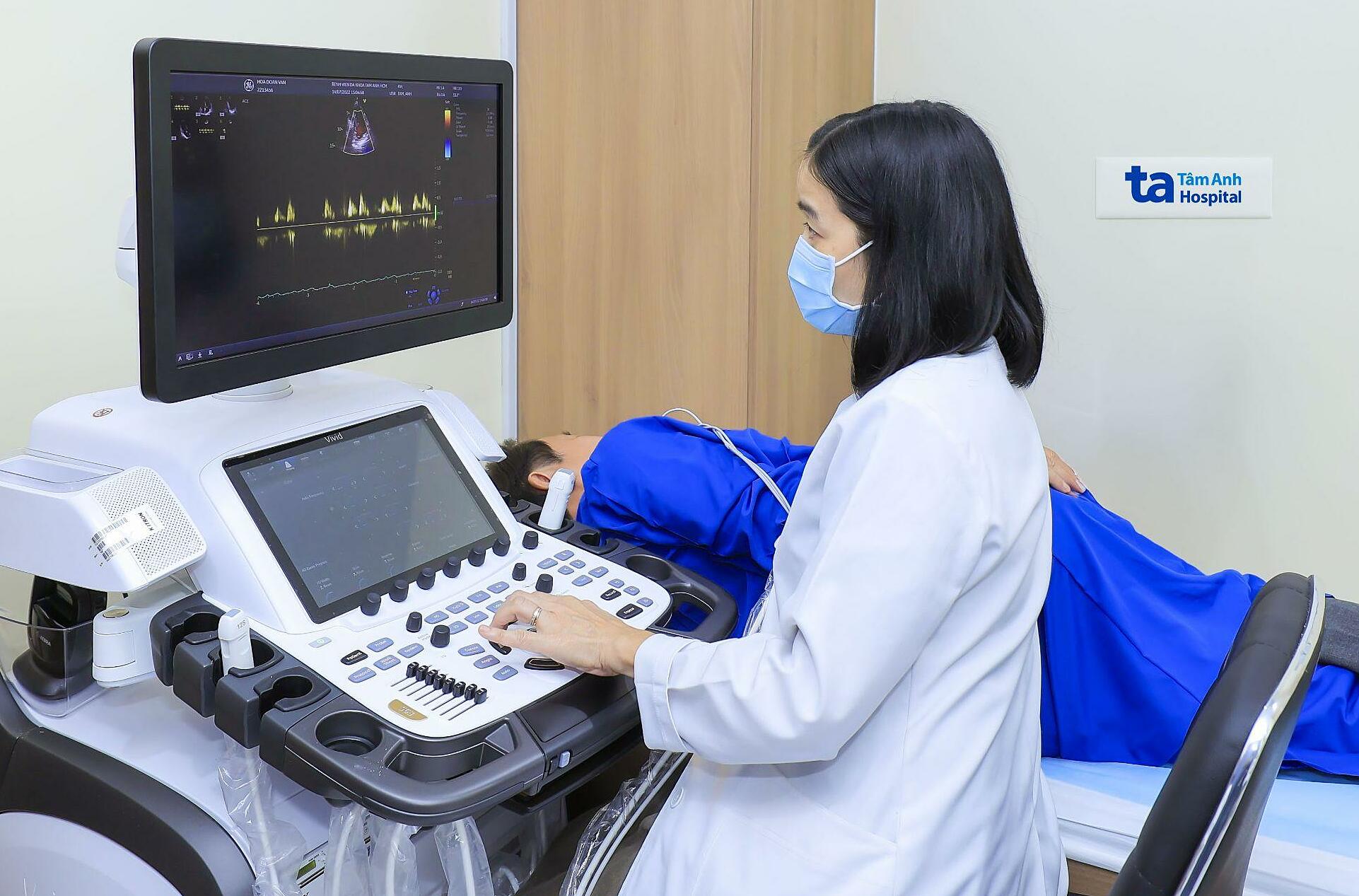 |
Patients undergo echocardiography to rule out cardiovascular causes of sleep disorders. Photo: Tam Anh General Hospital. |
Stroke
Individuals who consistently experience sleep deprivation, coupled with hypertension, diabetes, dyslipidemia, obesity, or atrial fibrillation, face an elevated risk of cardiovascular events and stroke. Risk management extends beyond sufficient sleep and requires simultaneous management of underlying conditions.
Arrhythmias
During sleep, heart rate typically slows due to the dominance of parasympathetic nervous system activity. Upon waking, heart rate and blood pressure increase to meet the body's demands.
Frequent sleep interruptions can trigger surges in sympathetic nervous system activity, causing significant fluctuations in heart rate and blood pressure. Sleep disorders, such as obstructive sleep apnea, are strongly associated with certain arrhythmias, especially atrial fibrillation.
According to Doctor Nhung, most adults require approximately 7-9 hours of sleep per night. Quality sleep involves sufficient depth, a regular sleep-wake schedule, and feeling refreshed upon waking.
To improve sleep quality, individuals should maintain a relatively fixed bedtime and wake-up time daily, including weekends. Bedrooms should be quiet, dark, well-ventilated, and at a comfortable temperature. Limit the use of phones, computers, televisions, and other bright-light-emitting devices for one hour before bed. Avoid coffee, tea, energy drinks, and certain soft drinks in the late afternoon or evening, especially for those sensitive to caffeine. It is advisable not to eat excessively, consume large amounts of alcohol, or drink too much water close to bedtime. Restrict high-intensity exercise before sleep and avoid excessively long naps.
Individuals experiencing chronic insomnia, frequent loud snoring, or episodes of sleep apnea, who wake up feeling tired, experience excessive daytime sleepiness, and also have chest pain, shortness of breath, palpitations, or uncontrolled blood pressure should seek medical attention. Identifying the causes of sleep deprivation and assessing cardiovascular health can help detect risk factors requiring intervention.
Thu Ha
| Readers can submit questions about cardiovascular disease here for doctor consultation |