On 26/9, coinciding with World Heart Day, a representative from the World Health Organization (WHO) Vietnam shared this information and advised citizens to reduce salt, limit sugary beverages and ultra-processed foods. Simultaneously, they urged people to increase their intake of fruits and vegetables and maintain physical activity to mitigate the risk factors for cardiovascular diseases.
This recommendation from WHO comes as non-communicable diseases (NCDs) account for approximately 80% of deaths in Vietnam. An unhealthy diet stands out as one of the significant risk factors, alongside physical inactivity, smoking, harmful alcohol consumption, and air pollution.
"The first habit putting Vietnamese people at risk of disease is eating salty," stated Master of Science, Resident Doctor Ngo Quynh Trang, from the Department of Clinical Nutrition at Bach Mai Hospital. Salt is a common seasoning in Vietnamese meals and is often used excessively. WHO recommends adults consume less than 5 g of salt daily; however, the average Vietnamese person consumes about 8,1 g, which is 60% higher than the recommended amount.
When the body ingests too much sodium, it retains water, increasing blood volume and elevating blood pressure. This prolonged condition stresses the heart and blood vessels, contributing to a heightened risk of stroke, myocardial infarction, and heart failure.
Daily salt intake comes from dishes, fish sauce, soy sauce, seasoning powder, instant noodles, processed meats, fast food, and many packaged products. Therefore, reducing salt requires not only using less salt when cooking but also limiting salty condiments, cutting down on processed foods, and paying attention to nutritional information on packaging.
In addition, many Vietnamese prefer sweet beverages, despite sugar being a health risk factor. Data from the General Statistics Office indicates that the total consumption of sugary drinks in Vietnam increased more than four times in 14 years, from 1,59 billion liters in 2009 to 6,67 billion liters in 2023. On average, one Vietnamese person consumes nearly 70 liters of sugary drinks annually.
One 330 ml can of soda can contain about 40 g of sugar, equivalent to 10 teaspoons. WHO suggests that reducing free sugar intake to less than 25 g per day can provide additional health benefits. Sugary drinks are defined to include carbonated soft drinks, sweetened teas, ready-to-drink coffees, energy drinks, and various bottled beverages. Frequent consumption of sweet foods and drinks can increase energy intake, contributing to weight gain and obesity.
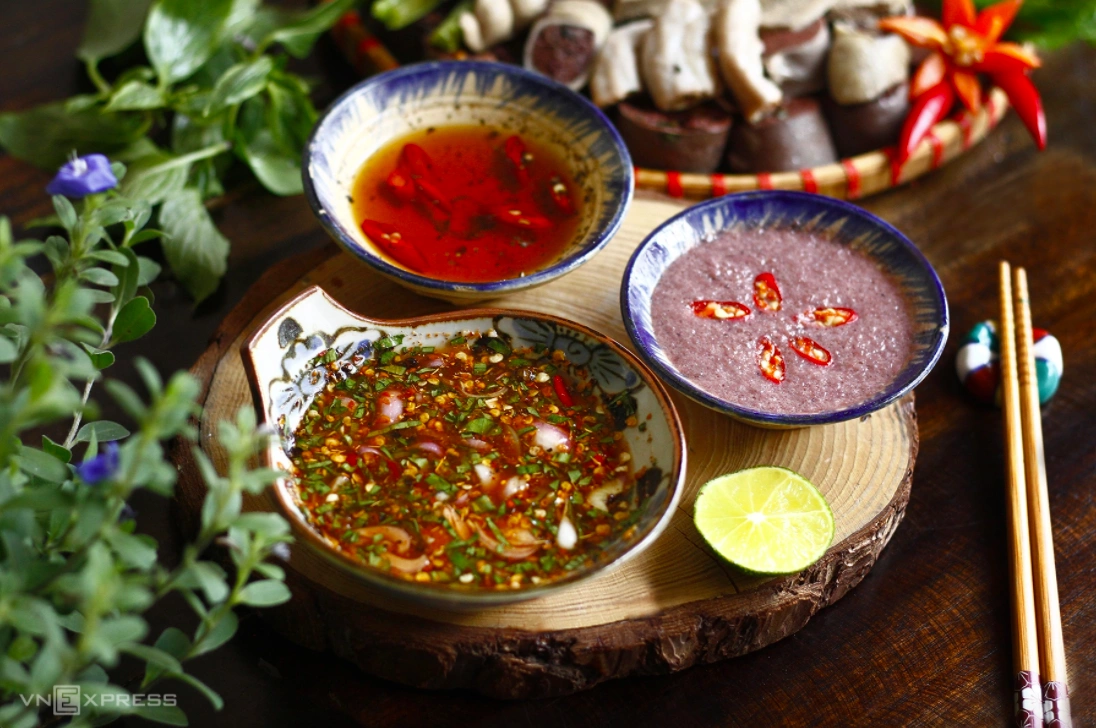 |
Vietnamese often use dipping sauces in meals. Photo: Bui Thuy |
Concurrently, ultra-processed foods are increasingly prevalent in daily diets. Associate Professor, Doctor Truong Tuyet Mai, Deputy Director of the National Institute of Nutrition, reported that the average expenditure on this food group in Vietnam increased from approximately 2,4 million VND per person in 2017 to nearly 3,1 million VND in 2024. Instant noodles, sausages, processed meats, snack foods, fast food, and many packaged products offer convenience but often contain high levels of salt, sugar, saturated fat, or energy, with minimal fiber.
Not all packaged foods are unhealthy. According to WHO, the risk depends on ingredients, portion sizes, and frequency of consumption. Regularly consuming foods high in salt, sugar, and unhealthy fats instead of fresh produce and balanced meals can lead to an increased overall intake of salty and sweet components.
Meanwhile, fruits, vegetables, legumes, and whole grains are crucial sources of fiber, vitamins, and minerals. However, an estimated four out of 10 Vietnamese do not consume enough fiber.
"The Vietnamese diet is undergoing many unfavorable changes," Associate Professor Mai noted, adding that one salty meal or one can of soda does not immediately cause cardiovascular disease or diabetes. The issue lies in these eating habits being repeated over many months and years, leading to an accumulation that significantly impacts health.
Therefore, individual behavioral change is not the only solution. As foods high in salt, sugar, and unhealthy fats become more widespread, consumers require support through a more favorable food environment. Recently, WHO Vietnam proposed mandatory front-of-pack nutrition warning labels for pre-packaged foods. The United Nations health agency argues that this labeling method helps consumers quickly identify products with high levels of salt, sugar, or unhealthy fats. WHO also proposed strengthening measures to restrict advertising of unhealthy foods targeted at children.
Nutrition experts also advise consumers to read ingredient lists to choose healthy products.
Le Nga