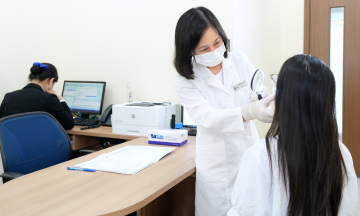
Doctor Dao Thi Yen Thuy, Head of the Nutrition and Dietetics Department at Tam Anh General Hospital, Ho Chi Minh City, states that individuals with stable health typically shed 50-100 hairs daily. Following this, hair follicles stimulate new growth, forming noticeable baby hairs after 2-3 months. Hair loss is considered abnormal when it exceeds this average, or when new hair growth is slow or absent. Beyond common factors like genetics, stress, age, and hormonal changes, significant hair loss can also indicate nutrient deficiencies in the body.
Protein and biotin (vitamin B7) are directly involved in synthesizing keratin, the structural component of hair strands. Deficiencies in either protein or biotin can impair hair strand formation at the follicle level, resulting in thin, brittle, slow-growing hair prone to breakage.
Iron plays a crucial role in transporting oxygen and nutrients to hair germ cells. Insufficient iron intake reduces blood flow to the scalp, depriving hair follicles of vital nutrients and leading to hair loss.
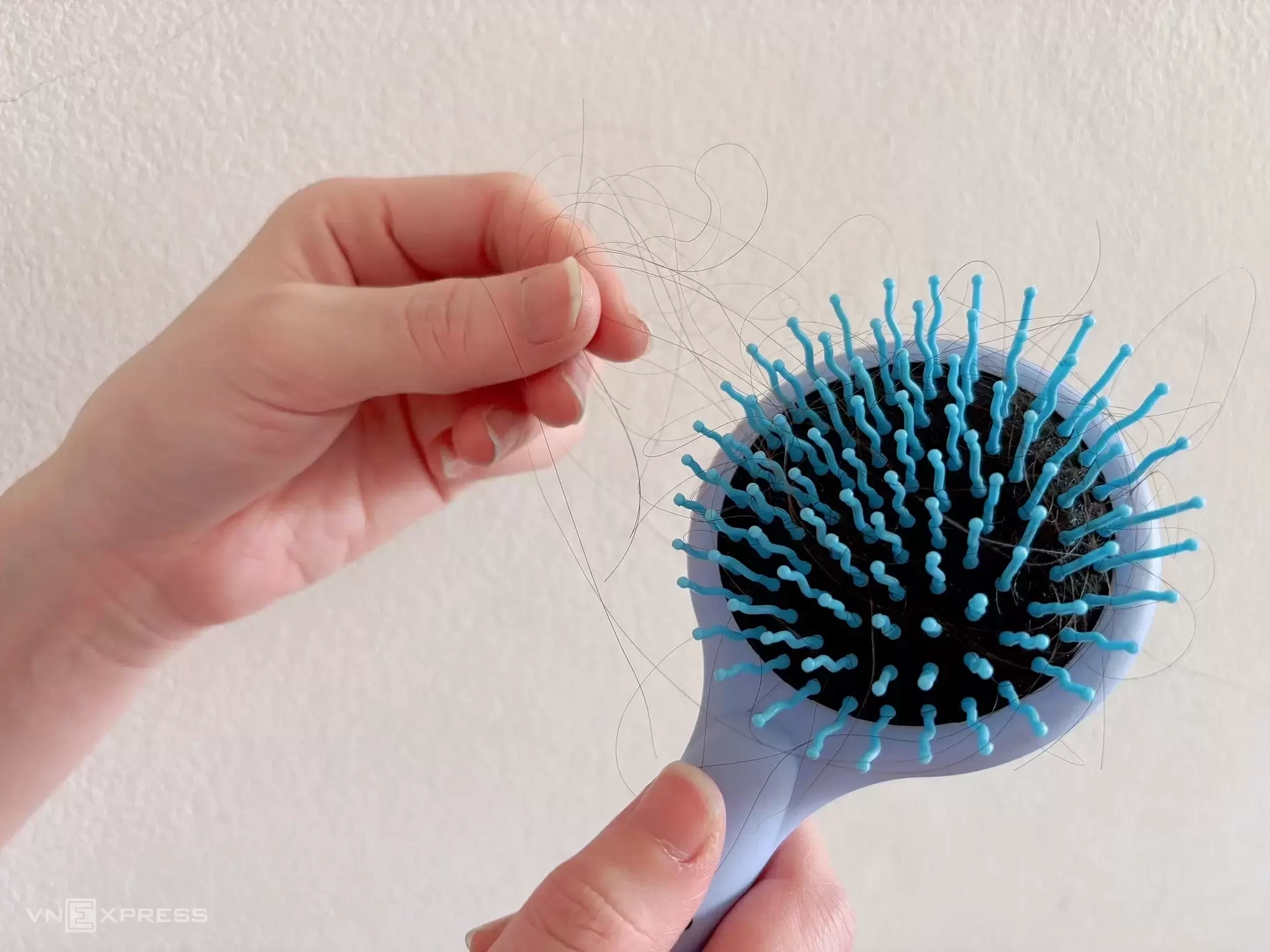 |
Significant hair loss can result from vitamin and mineral deficiencies. Photo: Bao Bao |
Zinc, along with calcium, selenium, silica, and sulfur, supports tissue regeneration and regulates sebaceous gland activity. Deficiencies in these minerals weaken hair root connections, increasing the risk of dandruff or hormonal imbalance.
Vitamins A, C, D, E, B-group vitamins, and omega-3s provide antioxidant benefits, regulate natural moisture, and maintain a healthy scalp. A dry scalp can lead to clogged sebaceous glands or inflammation, causing hair to lose elasticity if essential vitamins and omega-3s are insufficient.
According to Doctor Yen Thuy, to reduce hair loss caused by nutritional deficiencies, daily meals should include more of the following foods:
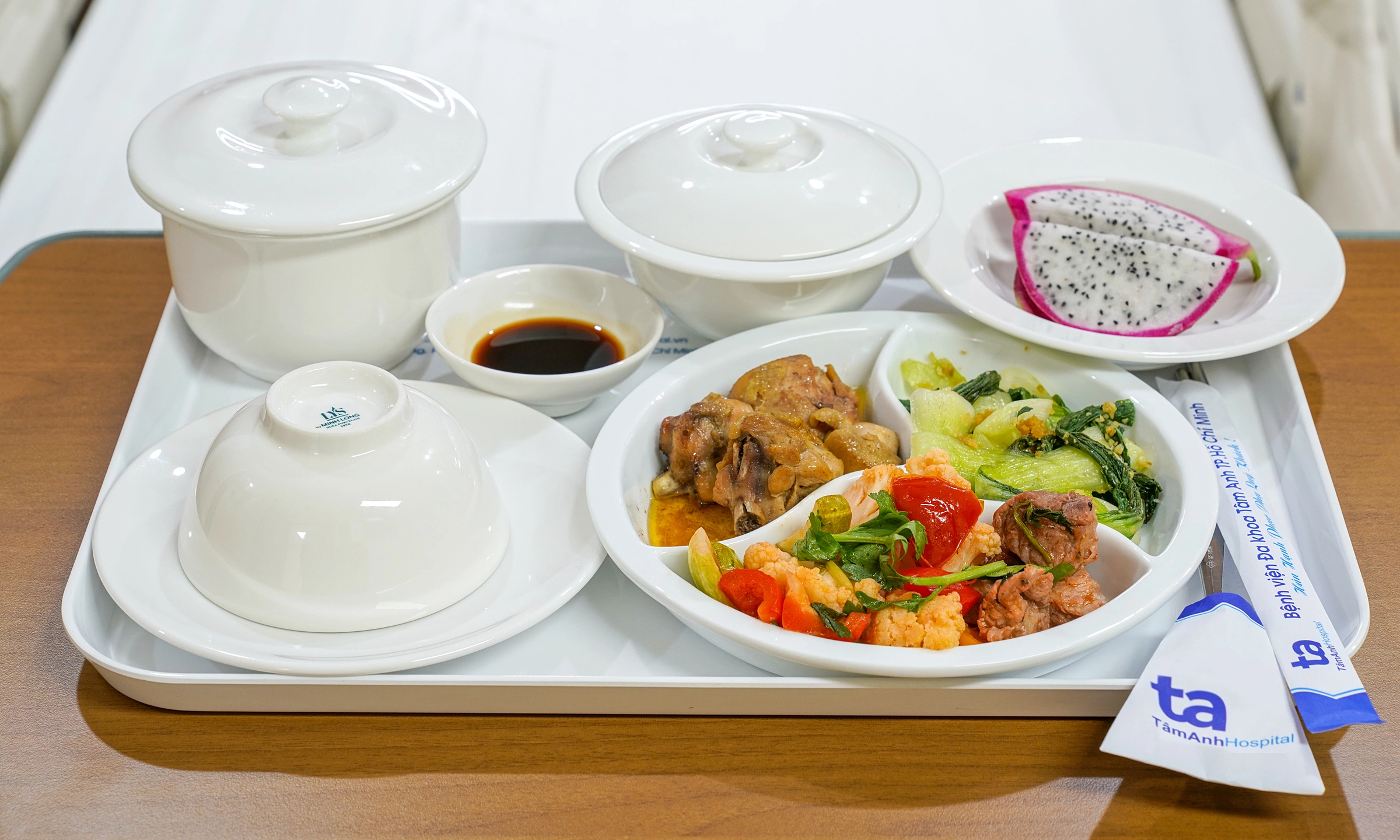
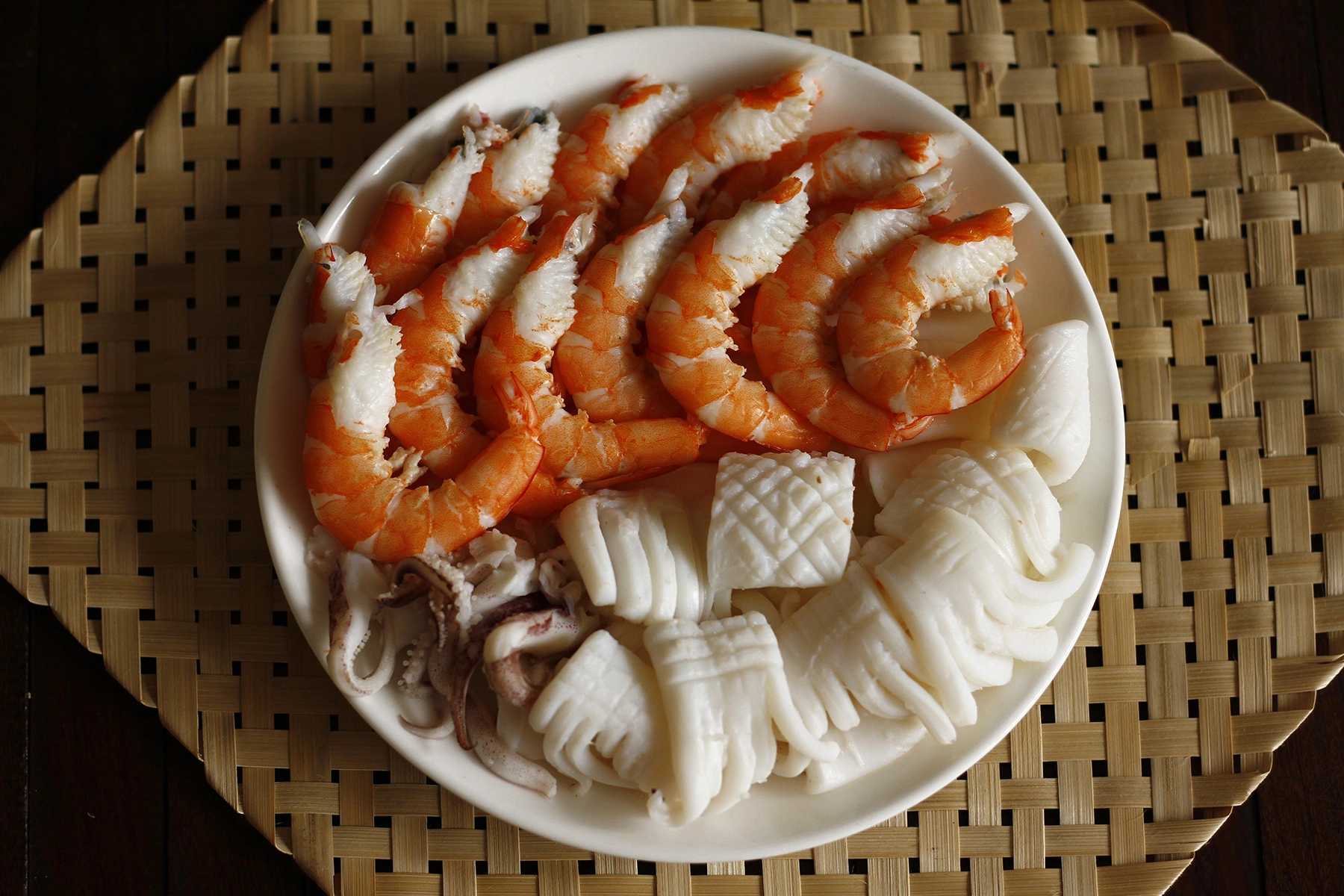
Meats and fish: Red meat provides easily absorbed protein and iron, helping red blood cells transport oxygen to hair follicles. Meanwhile, salmon, herring, mackerel, and fatty fish are rich in omega-3s, selenium, vitamin A, and D3, which support hair strand strengthening. Prioritize fresh meats prepared within the day and limit processed foods like sausages and cold cuts.
Legumes and seeds: Black beans and lentils, combined with sunflower seeds, flaxseeds, chia seeds, and walnuts, provide protein, zinc, biotin, iron, and vitamin E. These nutrients aid in regenerating damaged hair tissue and reduce free radical damage to the scalp. Vegetarians can consider using these seeds as alternatives to meat and fish.
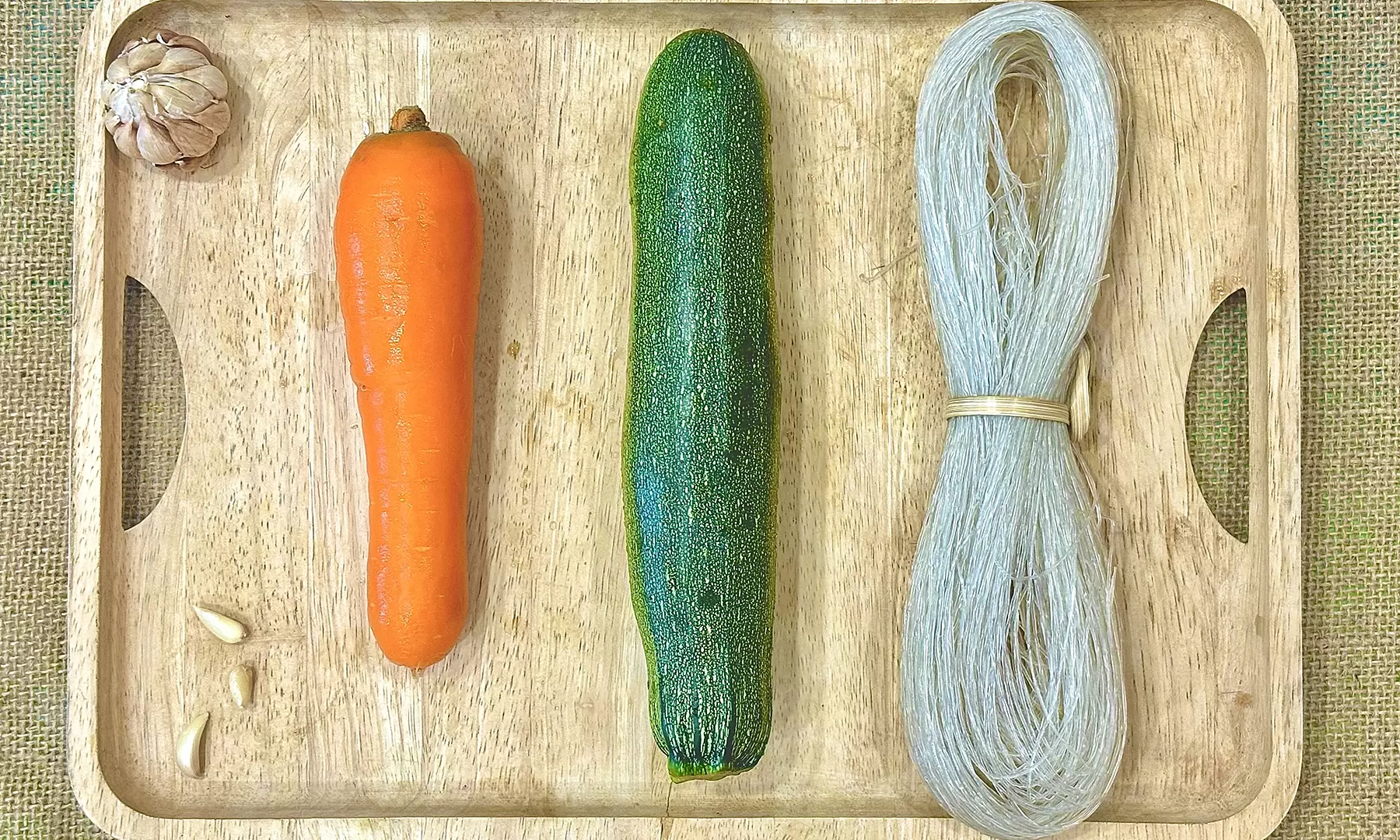
Vegetables: Spinach, kale, carrots, and bell peppers contain vitamin A, calcium, folate, and other vitamins and minerals. These help regulate sebaceous glands and promote blood circulation beneath the scalp.
Fruits: Avocados provide unsaturated fats and vitamin E, helping maintain scalp moisture. Meanwhile, vitamin C-rich fruits like oranges, tangerines, and kiwis stimulate mineral absorption and protect hair follicles from oxidative damage.
In addition to diet, individuals experiencing hair loss can use products containing natural keratin extracts from herbs such as aged black garlic, millet, horsetail, and saw palmetto. These nutrients help reduce breakage and stimulate the growth of strong, new hair.
Doctor Yen Thuy emphasizes that hair recovery requires patience, as the natural hair growth cycle typically spans several months. Nutritional supplementation is most effective when combined with a balanced lifestyle and proper scalp care. If hair loss does not improve after lifestyle changes, a specialist consultation is necessary to identify the underlying cause.
Bui Duc
| Readers can submit nutrition questions here for a doctor's response. |